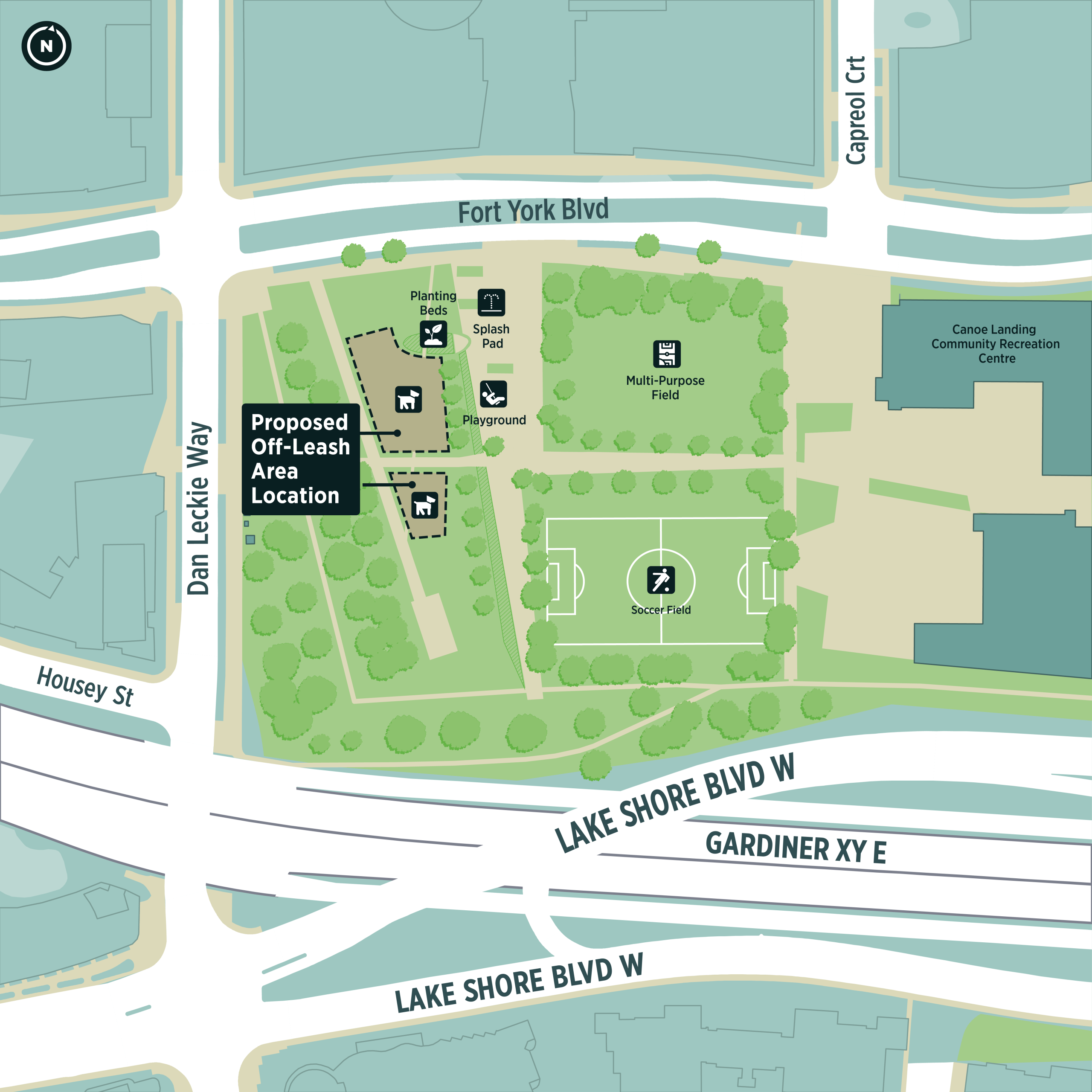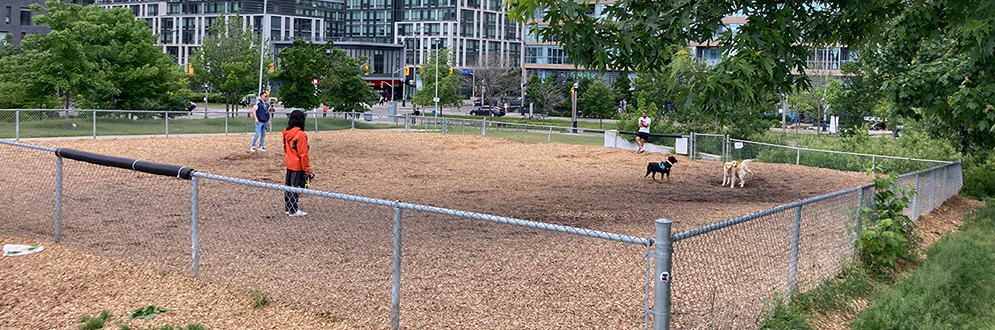
The City is improving the off-leash area in Canoe Landing Park. The off-leash area design will be determined through community engagement.
While we aim to provide fully accessible content, there is no text alternative available for some of the content on this site. If you require alternate formats or need assistance understanding our maps, drawings, or any other content, please contact Bob Duguid at 416-392-1925.
The timeline is subject to change.
Sign up for or unsubscribe from updates related to the Canoe Landing Park Off-Leash Area Improvements.
This project has been classified as an Involve project based on the International Association for Public Participation Spectrum. This means we work directly with the public and stakeholders throughout the design process to ensure that ideas and aspirations are understood and considered in the design of the off-leash area.
In this phase, the City collected feedback from the community on off-leash area features and confirmed the location for the new off-leash area. This input will help shape the design options in Community Engagement Phase 2.
From August 18 to September 19, an online survey gathered feedback on the proposed expansion and improvements to the dogs off-leash area. The activity received a total of 363 participants.
Respondents liked the current off-leash area’s location (48 per cent), the fencing (35 per cent), the sightlines and visibility from the street (27 per cent) and the engineered wood chip surface (21 per cent).
Respondents disliked the current off-leash area’s engineered wood chip surface (56 per cent), the single-gate entries (53 per cent), the lighting (43 per cent) and the fencing (37 per cent).
Addition comments included the size of the off-leash area (66 comments), lack of water fountain (28 comments), lack of shade (21 comments) and lack of seating (20 comments).
Respondents were asked to rate their agreement with several statements about the proposed location and expansion of the off-leash area. 86 per cent agreed the location is easy to access for dog owners and caregivers
Overall, 73 per cent of respondents indicated they were satisfied with the proposed location and expansion of the off-leash area at Canoe Landing Park. 50 comments suggested expanding the proposed location, 35 comments suggested changing the surfacing and 30 comments suggested adding a small dog area.
The off-leash area features that mattered most to respondents were the size of the off-leash area (22 per cent), cleanliness and maintenance (21 per cent) and the surface material (19 per cent). 19 comments said the availability of a water fountain and 12 comments said the availability of a small dog area.
When asked to rank which features should be prioritized in the design of the new off-leash area, respondents ranked a dog drinking fountain the highest (21 per cent), followed by natural play elements (16 per cent), a small dog area (16 per cent) and benches (15 per cent).
Additional comments included:
Respondents were asked if they had any other comments about proposed features for the off-leash area, including design elements, benefits, potential concerns or other observations. Responses are shown in parentheses below.
The project team hosted two pop-up events at Canoe Landing Park on August 20 from 6:30 to 8:30 p.m. and September 3 from 3 to 6 p.m. to share information about the off-leash area improvements and collect community feedback.
Participants were asked to give their feedback on the proposed location and expansion of the off-leash area, along with potential features that could be added. Approximately 94 people, many of whom were accompanied by their dogs, participated by using stickers to indicate their preferences.
Comments from participants regarding the proposed location and expansion of the off-leash area included:
Respondents were asked to indicate their level of agreement with the following sentences about the proposal. Responses are shown in parentheses below.
Respondents were asked for their feedback on potential features in the off-leash area. Responses are shown in parentheses below.
Additional comments included:
On June 20, key stakeholders from local schools and school board trustees attended a virtual meeting hosted by the local Councillor, where an update on the project was provided.
In this phase, the City and design consultant built on the outcomes of Community Engagement Phase 1 to develop design options for the off-leash area. These options were shared with the community for feedback, which will help inform the preferred design.
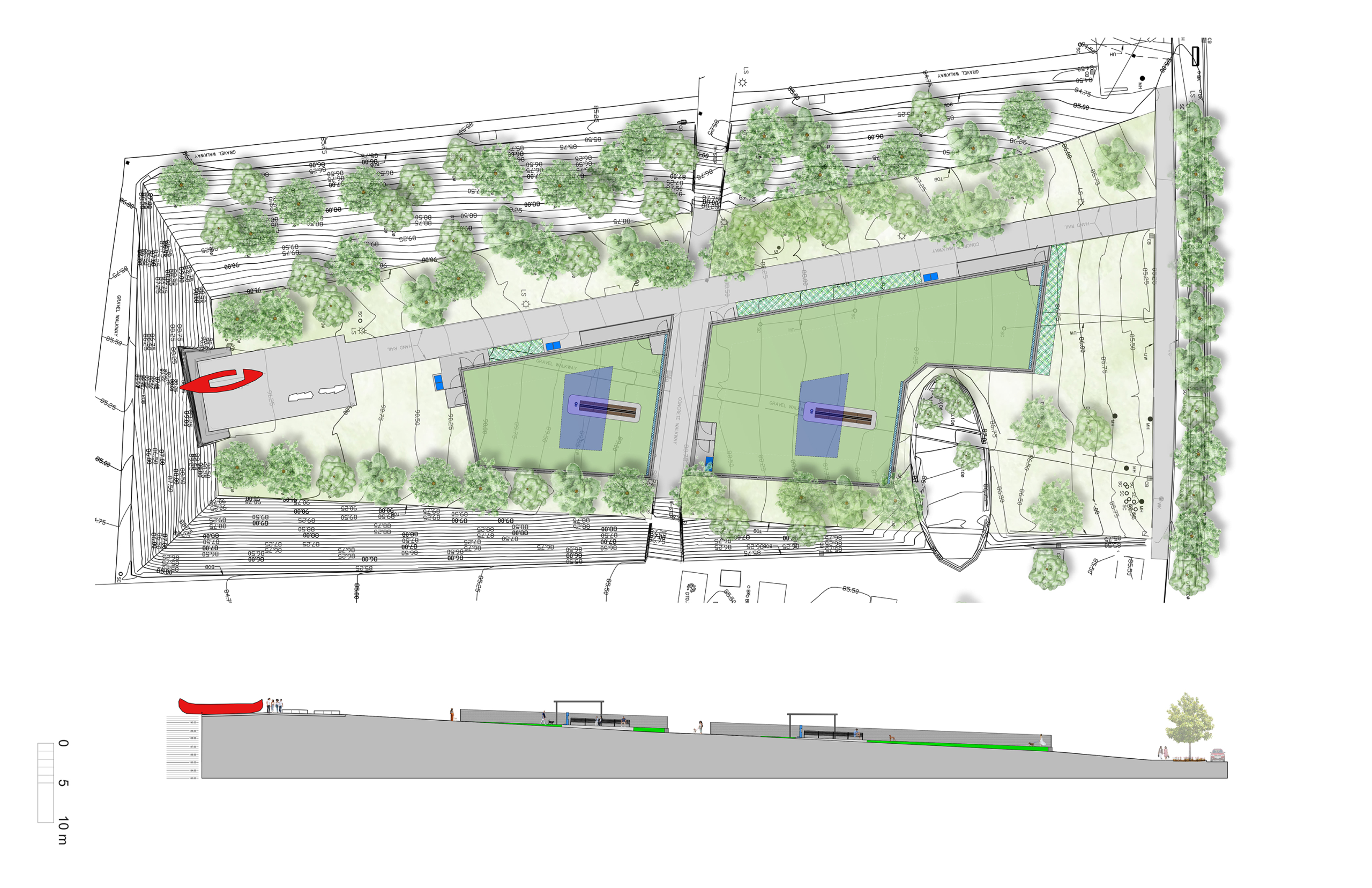
Design Option A includes:
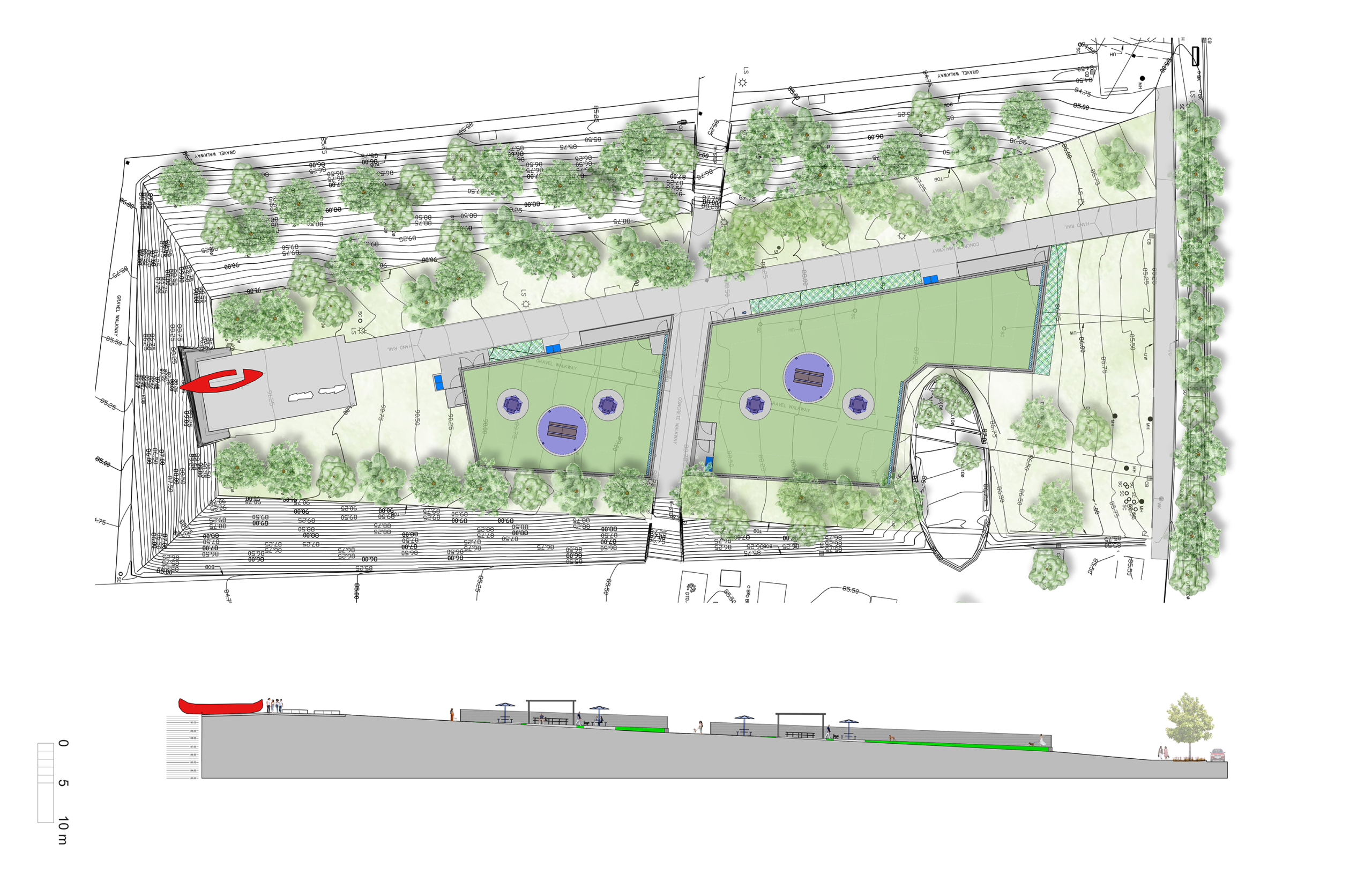
Design Option B includes:
From October 29 to November 25, an online survey gathered feedback on design options for the dogs off-leash area. The activity received a total of 277 participants.
Overall, 51 per cent of respondents preferred this option.
Respondents were asked to rate their agreement with several statements about Design Option A:
78 respondents (28 per cent) provided additional feedback on Design Option A. The following major themes emerged in the responses:
Overall, 31 per cent of respondents preferred this option.
Respondents were asked to rate their agreement with several statements about Design Option B:
87 respondents (31 per cent) provided additional feedback on Design Option B. The following major themes emerged in the responses:
When asked which shade structure option was preferred, shade structure option A received the highest number of selections (66 per cent), followed by Option B (22 per cent). 12 per cent had no preference.
When asked to rank which seating options should be prioritized in the design of the new off-leash area, respondents ranked accessible picnic tables the highest (40 per cent), followed by bench seating (35 per cent), and umbrella tables with bench seating (25 per cent).
When asked which water station option was preferred, two water bottle filler stations with dog bowls within the off-leash area ranked the highest (65 per cent), followed by one central water bottle filler station with a dog bowl outside of the off-leash area (27 per cent). Eight per cent had no preference.
Respondents were asked if they had any other comments about proposed features for the off-leash area, including design elements, benefits, potential concerns or other observations. Responses are shown in parentheses below.
In this phase, the preferred design for the off-leash area will be shared with the community on this page and the project mailing list. The project will then move into the detailed design phase, where the design team will work through the technical details and plans for the construction contractor.
The community engagement activity anticipated in this phase is a virtual meeting.
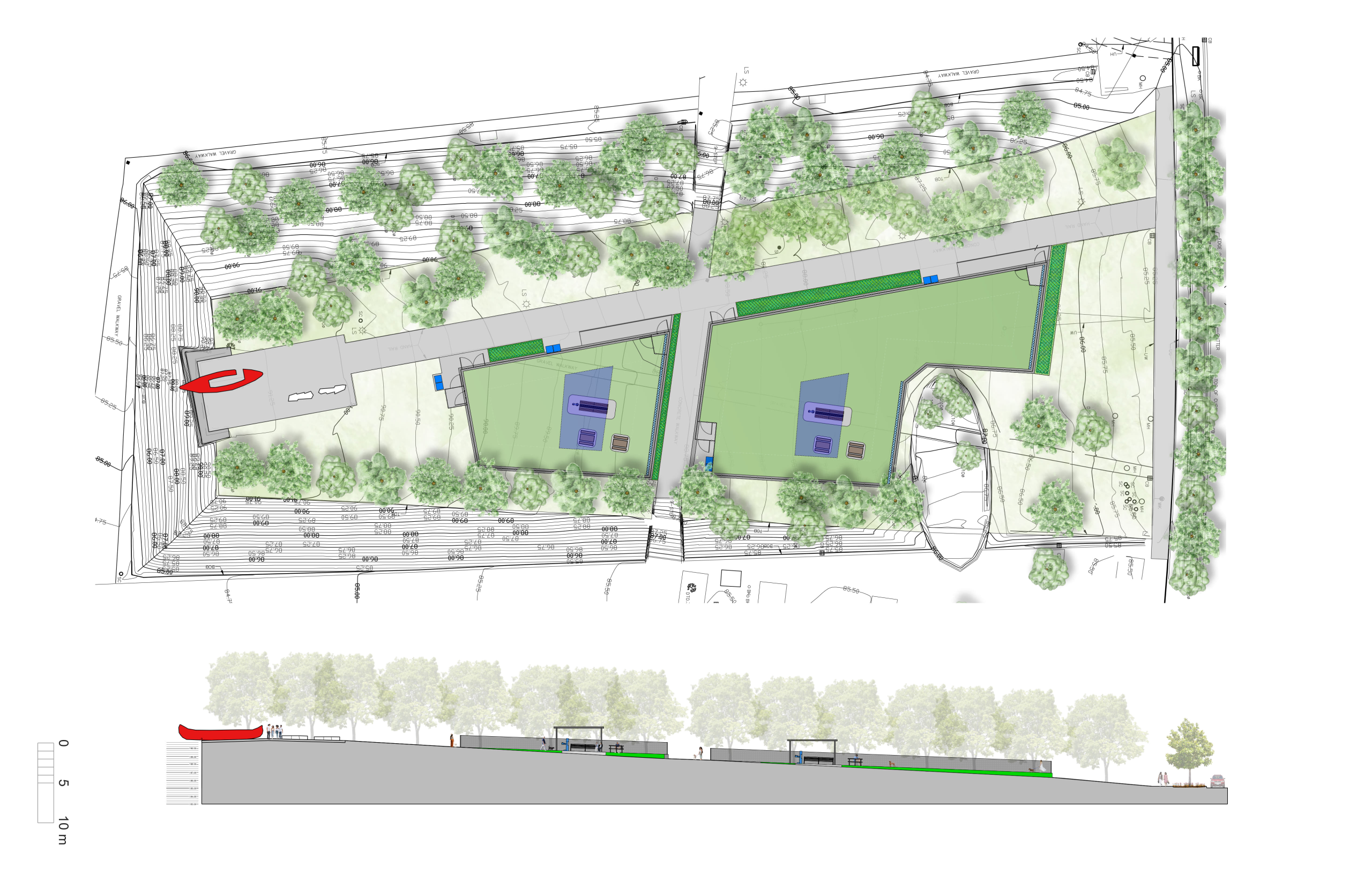
The preferred design includes:
On December 2, the project team hosted a virtual public meeting to share information about the off-leash area improvements and collect community feedback on the preferred design.
Approximately 15 people attended and shared their feedback on the preferred design option by using the chat function or unmuting their microphones.
Comments from participants regarding the preferred design and proposed features included:
Support for lighting upgrades to improve nighttime visibility and safety.
Additional comments included: