City of Toronto   *
HomeContact UsHow Do I...? Advanced search Go
Living in TorontoDoing businessVisiting TorontoAccessing City Hall *
*
*
 
 City Planning

 Sections
Community Planning
Policy & Research
Urban Design
Transportation
Zoning&Environment

 Planning Services
About Us
Application Forms
Committee of Adjustment
Development Application Status
Development Guide
Heritage preservation
Housing
Official Plan
Official Plan Review
Planning Fees
Projects, Studies & Guidelines
   
A - Z Index
Agenda, Reports & Minutes
Contact us
*
*
* * City Planning *
* *
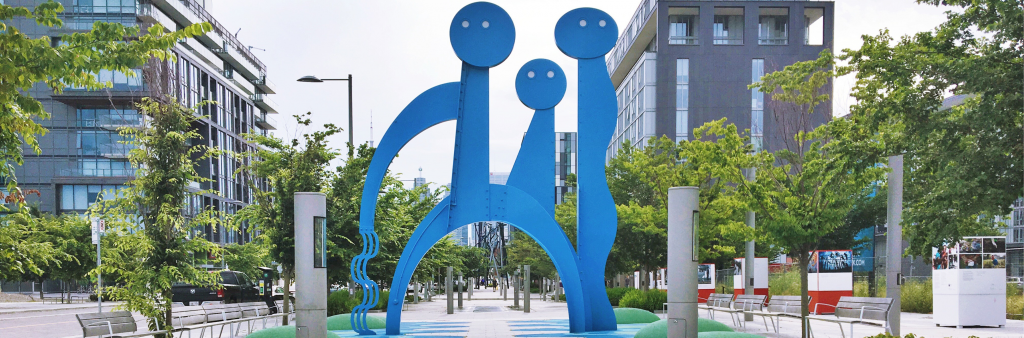
About Us Banner

City Planning has put together this overview of the Division and its practices to help the public gain an understanding of planning and what the Division does.

How Does a City Grow?


Cities are places where people can live, learn, work, visit and play. They should offer a wide range of services - schools, parks, health care, stores, restaurants and transportation, to name just a few. Cities that are vibrant and attractive are where residents, visitors and businesses want to be.

In Toronto, the City Planning Division helps to guide the way the city looks and grows. City Planning works with the community and other City divisions to set goals and policies for development, while keeping important social, economic and environmental concerns in mind.

Good planning leads to orderly growth and helps us to have the type of community we want.

What is the role of the planner?

Planning staff gather public input and study issues to develop and review plans, policies and projects that protect and improve our urban environment. They provide support and advice as well as make recommendations to City Council.

Planners also work closely with community and city-wide groups to help achieve their objectives for a better city.

The Toronto City Planning Division is set up by district - Etobicoke York, North York, Toronto & East York and Scarborough - in five functional sections:
  1. Community Planners - offer advice to Council on development projects after consulting with members of the public and City Services, and after reviewing and analyzing all parts of a development project.


  2. Policy and Research - develops planning policy based on extensive research in land use, housing, community services and the environment. Administers and promotes heritage preservation projects and programs.


  3. Urban Design - promotes a high quality design for our streets, parks and open spaces. It guides how buildings are located, organized and shaped on a particular piece of land.


  4. Transportation - deals with improving transit, discouraging automobile dependence and encouraging alternative forms of transportation such as walking, cycling, subways and streetcars.


  5. Zoning Bylaw and Environmental Planning - creating and maintaining a comprehensive zoning bylaw for the City, and formulates and implements environmental policy from the perspective of City Planning.
How to get involved

You can be a part of the planning process by keeping informed about what's going on in your community and by taking part in public meetings. With your participation, City Council will be able to make better decisions that affect the future of your neighbourhood.

If you are interested in all or part of a planning proposal or policy change, you should:
  • find out as much as possible about the issue and think about how it will affect you;participate in public meetings and information sessions so your voice can be heard;write to your Council member about your views;
  • contact City Planners; and participate in municipal elections.

Planning in Ontario

City planners in Toronto are guided by a number of laws, regulations, zoning bylaws, and policies:
  1. The planning act:
    • Governs planning across OntarioRequires a municipality to have an Official PlanSets out approval processes for land development and the minimum requirements for public consultation
    • Sets out appeal rights to the Ontario Municipal Board

  2. Provincial Policy Statements
    • Provide policy direction on planning matters of provincial interest, e.g. the environment, the economy and housing issues
    • Planning decisions must be "consistent with" the PPS

  3. Official Plan
    • Toronto's main policy vision to manage and direct physical changeDevelopment applications are evaluated against the policies and criteria of the Plan
    • All bylaws must reflect the intent of the Plan

  4. Zoning Bylaws
    • Puts the Official Plan into action on a "site-specific" basisRegulate use of land and construction of buildingsDefine what can be built on a property, ie:
      • permitted uses of the sitedensity of developmentbuilding heights and setbacks
      • parking and open space requirements

  5. The Committee of Adjustment
    • City Council-appointed district panels empowered to hear and make decisions on minor planning matters such as:
      • minor changes to the Zoning Bylawlegal non-conforming use applications
      • applications for consent to divide land
    • All decisions may be appealed to the Ontario Municipal Board.

  6. Ontario Municipal Board
    • Provincially appointed appeal board on property and planning mattersHears appeals to Council decisions on development applicationsAlso hears appeals to Committee of Adjustment decisions
    • Applicants may also appeal the City's failure to meet legislated time frames
How does a City grow? - Click for printable PDF of this brochure


(NOTE: You will need to have the latest version of the Get Acrobat Reader FREE Acrobat Reader to view PDF files linked on this page.)

This information is available as a brochure in PDF format. You can view and/or print the document below in the following languages:


Amharic amharic
Arabic arabic
Bengali bengali
Chinese chinese
Dari dari
Farsi Farsi
French French
Greek Greek
Gujarati Gujarati
Italian Italian
Korean Korean
Portuguese Portuguese
Punjabi Punjabi
Russian Russian
Serbian Serbian
Somali Somali
Spanish Spanish
Tagalog Tagalog
Tamil tamil
Ukrainian Ukrainian
Urdu Urdu
Vietnamese Vietnamese


Back to the top of the page


*Toronto maps | Get involved | Toronto links | 311 | Comment | Subscribe | Privacy statement
*
© City of Toronto 1998-2011