

Location: 720 Bathurst St.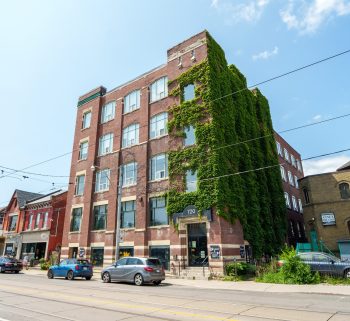
Demographic: Indigenous Men
Anticipated capacity: Approximately 80 people
Estimated opening date: 2028-2029
Service Operator: Na-Me-Res (Native Men’s Residence)
The City of Toronto has purchased 720 Bathurst St., the former site of the Centre for Social Innovation (CSI), to provide essential services and culturally appropriate supports for Indigenous people experiencing homelessness as they work toward permanent housing.
The shelter is part of the City’s Council-approved Homelessness Services Capital Infrastructure Strategy, which aims to open up to 20 new shelters citywide by 2033. These sites will help respond to demand and stabilize the shelter system. Learn more about the Strategy and how shelters make a difference in people's lives.
The City is committed to working with the local community to support the success of the site. Visit the Community Engagement & Safety tab below to learn more.
Homelessness is experienced in all corners of Toronto and shelters are needed across the city to support people who are facing an immediate housing crisis.
Demand for Indigenous shelters offering culturally appropriate services continues to rise, with Indigenous people disproportionally affected by homelessness in Toronto. According to the 2024 Street Needs Assessment, a point-in-time count and survey of people experiencing homelessness, Indigenous people represent 3% of Toronto’s population – yet account for 9% of people experiencing homelessness and 30% of people experiencing outdoor homelessness.
Although the City funds a number of Indigenous shelter programs, there are currently no shelters that provide Indigenous-specific services for adults in University-Rosedale.
The shelter at 720 Bathurst St. will be purpose-built to thoughtfully integrate into the surrounding community and respond to the unique needs of its residents. The site will be designed to be inclusive, accessible and pet-friendly, following best practices outlined in the Shelter Design and Technical Guidelines.
Learn more about shelter design and see photos of recently built shelters following these best practices.
Na-Me-Res (Native Men’s Residence) is an Indigenous-led organization that has served Indigenous men experiencing homelessness and the broader Indigenous community in Toronto since 1985. Guided by a culturally responsive, strengths-based approach to care, Na-Me-Res operates a range of services across the city that successfully support clients to stabilize, heal, and move toward housing.
Na-Me-Res brings deep experience supporting clients through a multidisciplinary team that includes Traditional Elders and Teachers, case management and outreach staff, housing and aftercare workers, and health professionals.
Once operational, the shelter will provide Indigenous-focused services to support the physical, mental, emotional and spiritual needs of approximately 80 men. Services will include:
Referrals to the program will be made through the City’s telephone-based Central Intake service.
The City is committed to working with the community to make this site successful for its resident and its neighbours. This includes a firm commitment to being a good neighbour, providing ongoing shelter updates, responding to questions, and working collaboratively with the City and local community members to solve concerns if they arise. The City has hired Community Engagement Facilitator Optimus SBR to lead the community engagement process.
A Community Drop-in Event was held on February 12, 2026 for residents to learn about the shelter and meet the operator.
Residents who were unable to attend who have questions, or would like to receive e-updates as the project progresses, can email 720Bathurst@toronto.ca.
Safety is a top priority whenever new services open. Shelter residents are expected to be respectful neighbours and follow Good Neighbour Policies introduced during intake. Everyone using the shelter will have a safe place to stay as they transition to permanent housing.
Key safety measures include:
We will work closely with community members and key partners, including the Toronto Police Service, to share information and address concerns promptly and transparently.