

Find the latest news, initiatives and inspiring stories from Seniors Services and Long-Term Care. These updates reflect our commitment to inform and engage with the people, programs and innovations that make the City a recognized leader in quality care and transformative services for healthy aging.
Spring 2026
CareTO is our made-in-Toronto person-centred approach to care. It shapes how we think, act and deliver care and services to residents and clients. This culture change builds on the incredible work already happening in the City’s long-term care homes.
Feedback from partner engagement informs future focus groups, deepens understanding of the diverse needs of long-term care residents and their caregivers, and guides priorities and action plans to support lasting culture change.
Care Coaches are one of the hallmarks of our approach. They are frontline staff nominated by their peers who come from all departments and roles. Care Coaches support their colleagues by coaching, mentoring and sharing knowledge. They help promote person‑centred, inclusive and relationship‑based care. They also work with long‑term care home leadership to reinforce CareTO values in daily care and services.
The CareTO team at Seven Oaks came together to celebrate their progress and commitment to improving long‑term care. The gathering focused on working together, positivity and taking pride in the work. It also highlighted shared goals and principles, including dignity, equity and cultural awareness. These principles support an integrated approach to resident well‑being. Participants shared that strong collaboration helps create a culture where everyone feels supported.

After a successful pilot at Kipling Acres, each of the City’s long-term care homes received a CRDL (pronounced “cradle”) instrument. This allows people with physical or cognitive impairments to connect with their loved ones and caregivers. Through touch and sound, CRDL reduces anxiety, isolation and loneliness, and deepens connections.
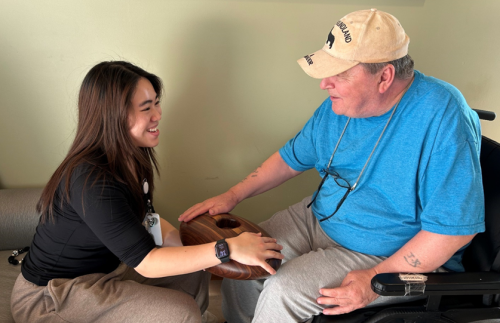
As staff explored the CRDL’s gentle sounds with a resident, something special happened. As the tones shifted and echoed through the room, the resident’s expression softened. He began talking more and recalling moments from his past. Smiles appeared, then grew, filling the interaction with warmth.
It became clear that the CRDL was doing more than engaging his senses. It was creating a safe space for communication, connection and emotional expression.
When staff returned a few days later, they experienced a heartwarming surprise. The resident immediately recognized the instrument. He shared that he remembered playing with it during their previous session. Without hesitation, he reached for it again, curious, willing and engaged.
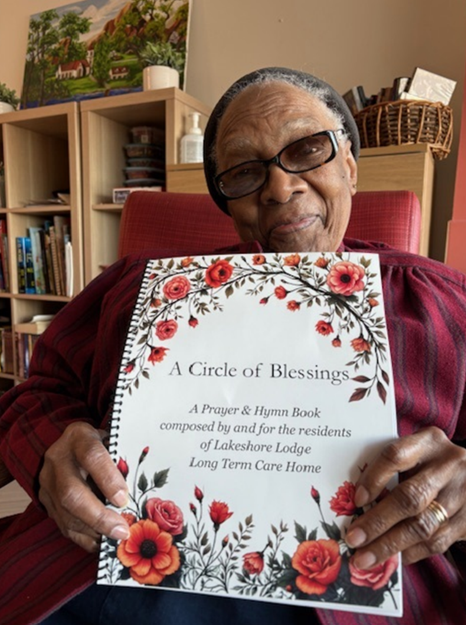
At Lakeshore Lodge, the Spiritual Care Advisor has been supporting resident-led programs that help enrich daily life and strengthen connection, purpose and well‑being, including:
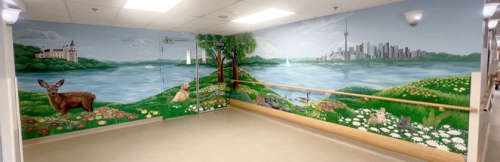
A new mural is in the secure Memory Care Unit at Castleview Wychwood Towers. The unit is home to 37 residents who are at risk of exit seeking. Created by a local artist, the mural features a bright city skyline and animal images. These visuals enhance the home‑like feel of the space and serve a therapeutic purpose. The mural covers the dining room doors to reduce confusion. It also prevents residents from entering the area outside of mealtimes.
This initiative reflects how thoughtful environmental design can support improved resident outcomes.
By using calming, familiar images, the space supports person‑centred care. These design choices reduce responsive behaviours, encourage engagement and create a more home-like environment for all.
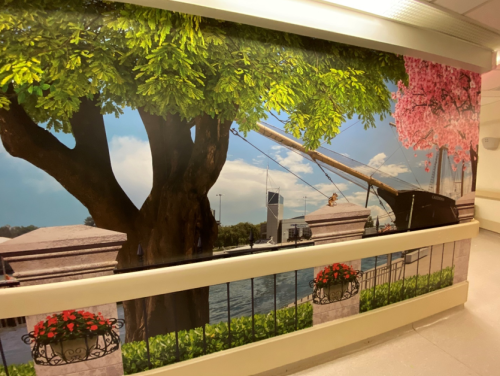
At Bendale Acres, the Cedar Ridger (CSU) has been transformed with stunning, high quality graphic installations to provide sensory stimulation and environmental enhancements for the 17 residents with exit seeking tendencies.
The sensory streetscape murals and immersive environments are designed to enhance resident well-being by fostering therapeutic, meaningful spaces that inspire connection, engagement and comfort.
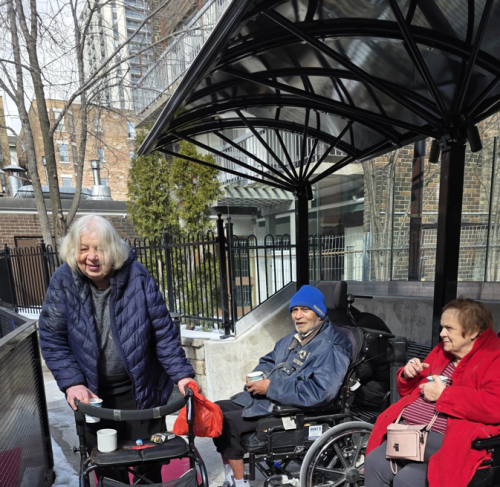
Long-term care residents who can safely and independently smoke may do so in designated outdoor areas. At Fudger House, a new open-sided comfortable shelter has been provided for residents who wish to smoke. Strategically positioned away from the main entrance to maintain a clean and welcoming environment for all, the shelter can be used year-round and includes an
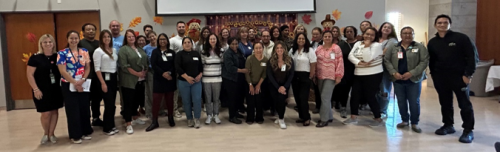
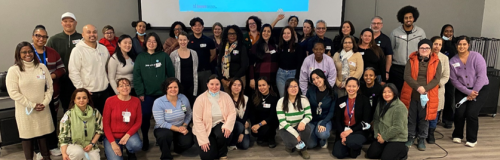
Two full‑day professional development sessions brought together about 90 RSAs from City long‑term care homes and adult day programs. Participants connected, shared ideas and worked together. Highlights included:
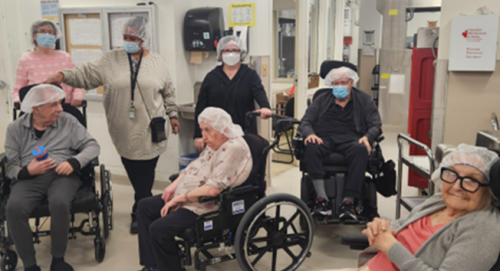
Wesburn Manor celebrated Food Services Week, recognizing the team effort that sources, prepares and serves three meals and snacks to residents every day.
Residents and their loved ones toured the main kitchen. They watched cooks seasoning salmon for dinner, saw a delivery of vegetables arrive and observed frozen food items being stored in the large freezer.
Food Service Workers also shared their day-to-day roles with residents. This includes receiving food items, storing products, cooking, portioning, plating meals and serving.
Black History Month is a time to celebrate the history, culture and contributions of Black communities. At Cummer Lodge, one of the highlights was a fashion show hosted by the Confronting Anti‑Black Racism (CABR) Committee. The event turned the Cummer Lodge auditorium into a lively red‑carpet runway.
Residents and staff took part by representing their countries of origin and cultures. They wore traditional clothing and waved national flags, showing pride in their communities. Together, they demonstrated how diversity forms the Cummer Lodge community of care.

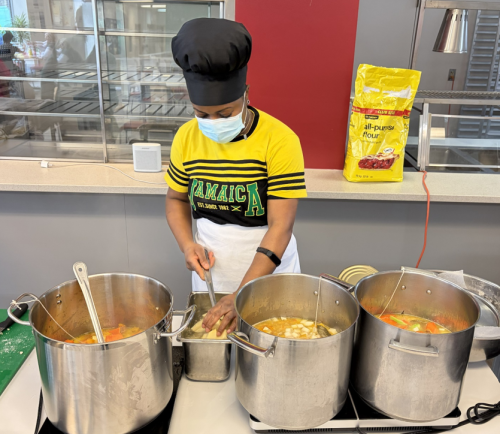
During Black History Month, Ann Marie, a cook at Fudger House, led a food demonstration with residents and staff. As she prepared a traditional Jamaican dish called red pea soup, she shared stories about its cultural meaning.
When the soup was ready, everyone shared the meal together. Ann Marie explained how food traditions shape identity, preserve heritage and foster connection.
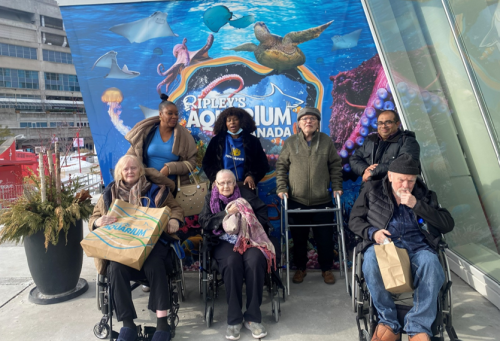
True Davidson Acres‘ residents enjoyed an outing to Ripley’s Aquarium. Along with staff and volunteers, the group immersed itself in life under the water. They saw colourful coral reefs, graceful stingrays and mesmerizing jellyfish. A highlight of the visit was a special presentation featuring exotic sea animals.
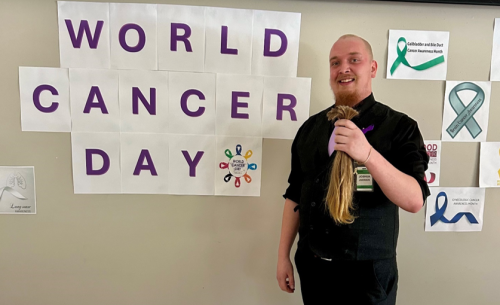
During Cancer Awareness Month, Kipling Acres held an event to support people affected by cancer. The gathering helped raise awareness, honour survivors and remember loved ones. It also gave space to reflect on the strength of individuals and families living with cancer. At the event, staff member Josh donated his hair to the Children’s Cancer Society.
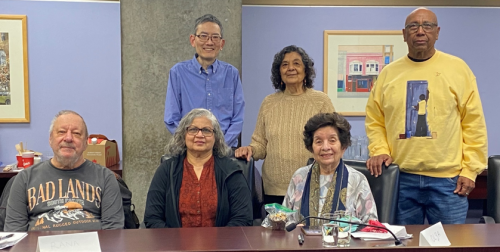
This year, eight new volunteers joined the Toronto Seniors’ Forum (TSF) Program Advisory Body. The group shares feedback on how City policies, programs and services affect seniors and older adults in Toronto.
TSF members range in age from 65 to over 80 and live in neighbourhoods across the city. They bring many different backgrounds, identities, work experiences and interests. The wide range of lived experience helps City staff hear from seniors with different perspectives. These insights support the City in designing and delivering programs that better meet the needs of older adults in Toronto.
Parks and Recreation hosted Gentle Fit classes and Falls Prevention workshops in three Toronto Seniors Housing Corporation (TSHC) buildings. More than 200 tenants took part. This pilot helped meet the program and service needs shared by TSHC tenants.
The fitness classes focused on strength, balance and chair‑based exercises. These activities supported physical health, mobility, balance, mental well‑being and social connection.
A review of the pilot showed that people responded well to the program. It also identified areas for improvement, including translation support and staff availability.
Teams are learning from the pilot and will continue to build capacity for social and recreational programs. They will work with community service providers and improve access to programs within building spaces.
This work was outlined in the report, Supporting Toronto Seniors Housing Corporation Tenants through City of Toronto Programs and Services (EC19.2).