

Toronto’s population is aging and increasingly diverse. To prepare City services for the future, Toronto Seniors Strategy 3.0 will have a 10-year focus.
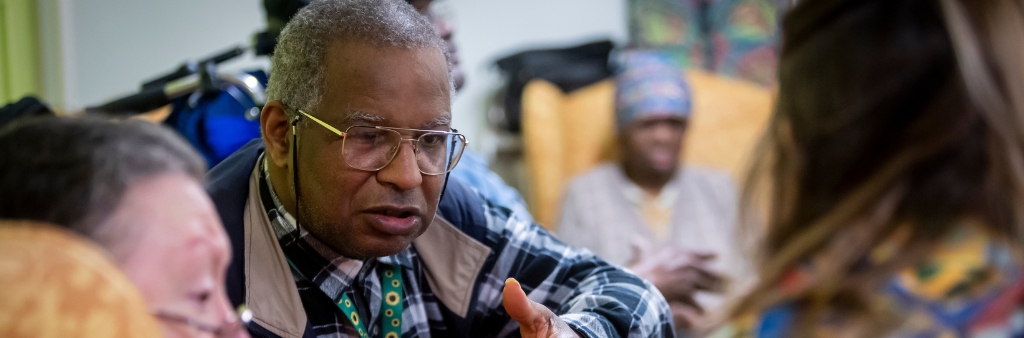
Through city-wide community consultations and an online survey, we heard from seniors and older adults, including those who are Indigenous, Black and who belong to equity-deserving groups. This important feedback will help shape Toronto Seniors Strategy 3.0, building on the success of the first and second Toronto Seniors Strategies.
Review:
Toronto Seniors Strategy 3.0 will help the City adapt to support more people to be able to age safely, independently and comfortably at home and in their community.
Thanks to those who participated in the Toronto Seniors Strategy community consultation process.
We conducted a comprehensive community consultation process to learn about the needs and priorities of seniors and older adults living in Toronto. To hear from as many people as possible, we consulted seniors, older adults and others using four different approaches:
The information and perspectives gathered during the consultations will inform the development of Toronto Seniors Strategy 3.0.
Toronto Seniors Strategy 3.0 is a City priority with a report to Council planned for 2027.
For more information, please contact seniors@toronto.ca.
The Toronto Seniors Strategy Accountability Table (the Accountability Table) is an advisory group composed of individuals, community-based organizations, other levels of government and City staff. The Accountability Table meets quarterly.
The purpose of the Accountability Table is to provide advice and support to the development of the Toronto Seniors Strategy and to provide advice to City staff on issues facing seniors and older adults. The guidance and advice of seniors, older adults and community partners has underpinned the development and successful implementation of Toronto Seniors Strategy 1.0 and 2.0 and will support the development and success of Toronto Seniors Strategy 3.0.
The Accountability Table is composed of seniors, older adults, caregivers and representatives from organizations related to, for example, health, housing, transportation and employment, as well as other levels of government.
Membership includes: