

Litter can be a big problem in Toronto. It makes the city look dirty, can have harmful effects on the environment and animals, and costs millions of dollars a year to clean up. Common litter items include:
Help keep Toronto’s streets, sidewalks, beaches and parks clean by properly disposing of waste in the bins provided.
The City works diligently throughout the year to keep public spaces vibrant and beautiful, with dedicated efforts to refresh streets, parks and ravines. The City’s Public Space Cleaning department run 20 hours per day, seven days a week.
Ongoing efforts to keep Toronto clean include:
The City is also responsible for the facilitating the clean-up of about 800 special events each year, which include parades, street events, community street parties, demonstrations, curb lane closures, sidewalk sales and athletic events.
The City is committed to helping event organizers reduce the amount of waste going to landfill by providing technical advice, coordination and support for special events. Learn more about Waste Management at Street Events.

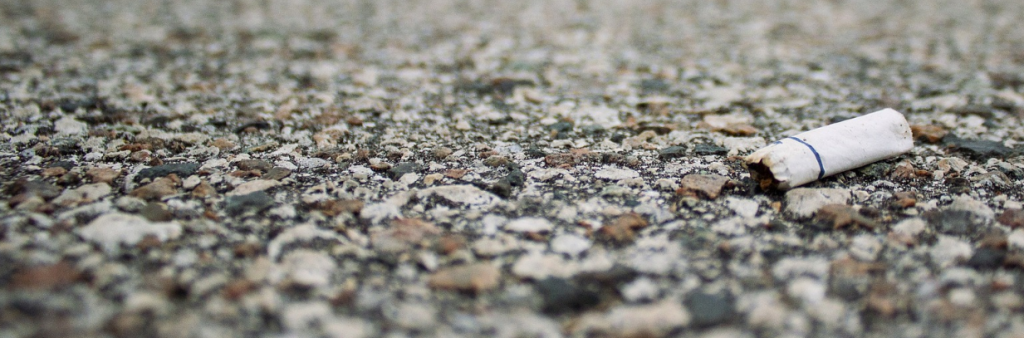
Cigarette butts and debris are the most common small litter items found on Toronto streets. They contain toxic chemicals that can be released into our environment and can take years to break down.
Toronto street litter bins have a special receptacle for cigarette butt disposal. If you don’t have access to a street litter bin, make sure you have completely extinguished the cigarette and that it has cooled before disposing of it in the garbage.
Never put cigarette butts in garden planters because this can quickly lead to fires!
Chewing gum makes up a large part of Toronto’s litter. A lot of the small dark patches on our roads and sidewalks were once someone’s gum. Many people do not see gum as litter and toss it on our roads and sidewalks causing them to look dirty and uncared for.
Used chewing gum and its wrapping belong in the garbage.
Paper towels and napkins are common large litter items found on Toronto streets. If available, these can be disposed of in the Green Bin (organics). Otherwise, place them in the garbage.
Learn more about litter in Toronto in the 2022 Litter Audit Report.
Items carelessly discarded on the ground can be harmful to the environment, as they may not easily biodegrade and can remain in our ecosystem for years. Some items can even get swept into sewers or rivers and end up in Lake Ontario.
It’s common for animals, such as dogs, to eat foreign objects that they find on the ground. Small litter items can end up being eaten by pets and wild animals, which can have harmful effects on their health.
Keeping Toronto clean is no easy task. If Toronto residents and visitors kept litter items off our streets, the City could save millions of dollars a year.
Everyone has a role in keeping Toronto clean and beautiful by putting waste where it belongs to reduce litter in parks, beaches, public spaces and neighbourhoods.
There are about 10,500 street litter bins across the city and 12,700 garbage and recycling bins in City parks. In addition, there are Green Bins in a number of parks across the city.
The City has also installed special lids on 690 recycling bins in parks across the city. The new bin lids have a hole designed to exclusively capture empty beverage cans and bottles. Stickers on the bins and signage beside the bins indicate what items are accepted and not accepted in these recycling bins.
When visiting Toronto beaches and parks for a picnic or gathering, reduce the amount of waste you create by opting for reusable items such as reusable bags, utensils and cups. Other options include bringing your food in reusable containers, using cloth napkins and bringing fruits and vegetables and food that does not have packaging.
Also consider carrying a small plastic bag to dispose of any waste you create.
The City has a bylaw against littering and illegal dumping. If you see an area with a lot of litter or notice illegal dumping of waste, report it to 311.
Do not handle the waste yourself. Only a Bylaw Enforcement Officer should inspect illegally dumped waste. They can look for information that may identify the type of waste and where it came from. If a member of the public searches through the waste, important evidence could be damaged or lost. The waste may also contain hazardous materials that could be harmful to your health.