|
 |
 |
 |
Director Urban Forestry |
|
 |
 |
 |
 |
 |
| |
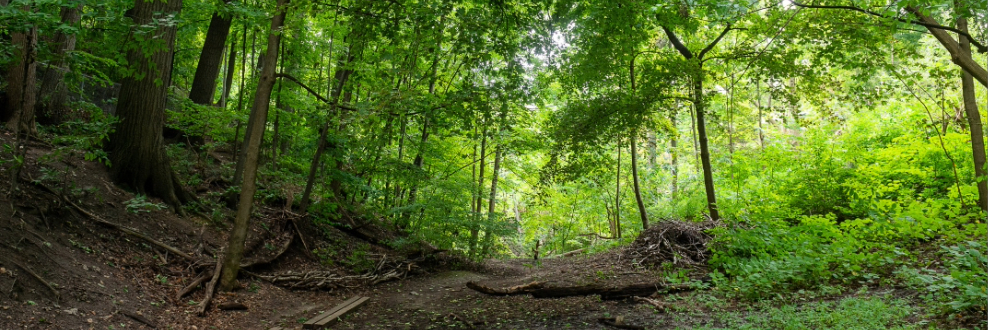
The Office of the Director of Urban Forestry is responsible for the overall coordination and management of the forestry program for the City of Toronto. This involves the coordination of major forestry initiatives; forestry policies, practices and systems; forest health care program; implementation and enforcement of forestry related by-laws; ravine and natural area management; and the co-ordination of forestry research, performance measures and best practice development. The Office of the Director of Urban Forestry portfolio is comprised of the following elements, which are grouped into the following broad categories.
- Urban Forestry Systems (Information and Support)
Provides for the collection and analysis of tree data and other information that will help to establish, guide and support operational priorities. Urban forestry systems includes information technology tools such as TMMS and other systems which enable the informed decision making and organized provision of service to the citizen's of Toronto. Urban forestry systems also supports policy decisions and development of performance measures. Other urban forestry systems of information include Urban Forestry's website.
- Training and Continued Education
Make recommendations and coordinate city-wide training opportunities for Urban Forestry staff to ensure that the legislative requirements and regulations related to employee competence are met. Continuing education opportunities that may be pursued include such things as Electrical Utility Safety Association (E.U.S.A.) and cardiopulmonary resuscitation (C.P.R.) training, Ecological Land Classification (E.L.C.) seminars, etc.
- By-law Enforcement and Implementation
Ensures the development and implementation of by-laws and related policies, processes and specifications in order to maximize protection and preservation of the urban forest resources and associated habitats. Examples of select by-laws include the City's Street Tree By-law, Ravine Protection By-law and Private Tree By-laws.
- Restoration and Protection (Long Term Planning)
Articulation of long term goals, objectives and identification of priorities that will ensure the sustainability of the urban forest for future generations of citizens of Toronto. This includes the development and implementation of an overall Forest Management Plan, effective input into the Official Plan and strategic plan development processes. Ravine and Natural Area Management, Forest Health Care and the City's Tree Advocacy Program also fall under this category.
- Extension Services
Facilitate the transfer of information to partner organizations, utility companies, homeowners, staff and other individuals through various media on relevant forestry issues. Enables the research on trends affecting the urban forestry (e.g. pests, diseases, cultural practices, best practices, etc.)
|
|
| |
|
|
| |
More Information |
|
 |
 |
 |
 |
 |
| |
|
|
|
 |
 |
Highlights
|