

Toronto’s urban forest is vital for climate resilience, public health and neighborhood livability. Trees absorb carbon, cool our streets, manage stormwater and support biodiversity. The City owns approximately 4.6 million trees in parks, as well as more than 650,000 trees located on streets.
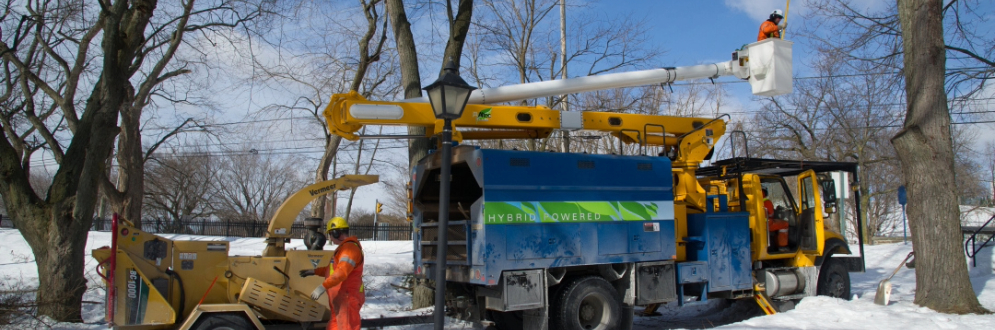
City-owned trees are maintained by carrying out inspections, pruning, removal and emergency clean-up of fallen or damaged trees. The City provides both proactive maintenance which involves regular inspections to care for and keep trees healthy and safe, and reactive maintenance to address service requests.
The City is reviewing its proactive and reactive tree maintenance programs to ensure best practices, operational efficiency and equitable service delivery. Maintaining City trees is an important part of having a healthy and resilient urban tree canopy.
For more information visit City-Owned Tree Maintenance.
The public was invited to share their thoughts on what matters most to them in the way City-owned trees are maintained.
The survey asked people about:
The survey was live from January 26 to March 8, 2026.
The City held public engagement sessions on February 11 and 12, reviewing its tree maintenance programs in key areas such as training, pruning, proactive maintenance and methods to retain mature trees for the Tree Maintenance Review. For more information email forestry@toronto.ca.
The City provides both proactive and reactive care for City-owned street and park trees.
Proactive maintenance means we inspect and care for trees on a regular schedule across the city. This helps us find and fix issues before they become problems—like dead or damaged trees, or trees that might block roads, sidewalks, driveways or buildings. Proactive work also includes formative pruning of young trees so they grow strong and healthy.
Proactive tree care is a smart investment. By maintaining trees regularly, we prevent costly emergencies, reduce risk and ensure healthier, longer-living trees while saving money and protecting our urban forest.
Reactive maintenance means we respond to service requests, usually made through 311. This includes pruning, removing trees and cleaning up fallen trees and branches after storms.
City-owned trees are those growing on City land, such as the City-owned road allowance along streets, boulevards and trees in parks.
Private trees are trees growing on private property, such as those in back yards and are the responsibility of the property owner.
Advanced tree assessment means using specialized technology and equipment to get accurate information about the condition and structural integrity of a tree. Tools such as resistance drills and sonic tomography allow professionals to ‘see’ the inside of a tree to assess how strong it is, similar to an X-ray or ultrasound used in medicine.
This project aims to help staff prioritize different tactics and invest in the right crews, training and technology to deliver tree maintenance services that support the long-term health of Toronto’s urban canopy.
This is a comprehensive review of the City’s current programs, policies, pruning standards, staff training and qualifications, and methods to retain mature trees. These are being assessed against jurisdictional and industry best practices to develop a framework for continuous improvement in both proactive and reactive City tree maintenance.
The Tree Maintenance Review is guided by City Council direction and recommendations from the Auditor General. Recent staff reports outline the City’s commitment to improving tree maintenance services, including a phased approach to increase insourcing and benchmarking against best practices in other cities.
For those interested in more detail, you can read the latest staff reports:
These reports summarize the operational improvements and council direction behind the review.