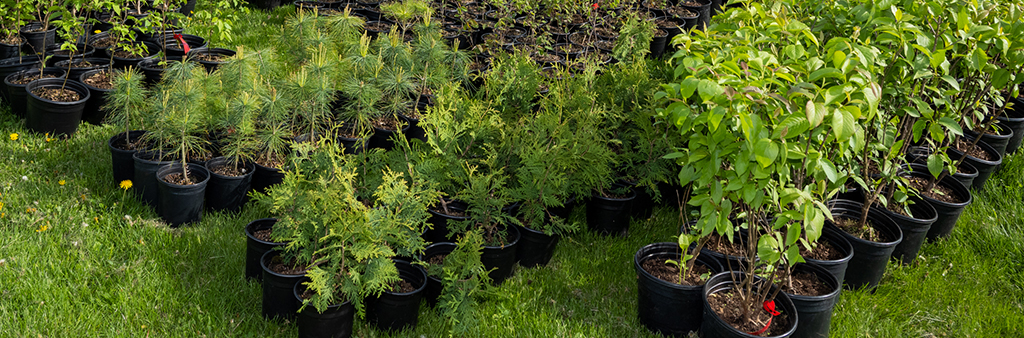
Applications open for the Mature Private Tree Maintenance Grant on October 15.

The City offers several grants and incentive programs which encourage tree and shrub planting on private property. These programs support partnerships and collaboration with homeowners, landowners and not-for-profit organizations that advance the City’s strategic priorities to invest in people and neighbourhoods, tackle climate change and build resilience. As more than half of Toronto’s land is privately owned, residents and communities play an important role in reaching the City’s 40 per cent canopy cover goal.

The Mature Private Tree Maintenance Grant (formerly the Distinctive Tree Maintenance Incentive Pilot) will help eligible residential property owners care for and maintain large, healthy trees on their properties. The pilot program provides up to $1,500 in financial support for pruning of mature private trees greater than 61 cm in diameter at breast height (DBH), about the width of a typical car tire. The program will help keep mature trees healthy and support a resilient urban forest.

Covered maintenance includes:

  • Funding for the pruning of eligible private trees only.
  • Pruning must be for the purposes of maintaining tree health.

The following pruning practices may be considered:

  • Crown balance
  • Crown reduction
  • Crown elevation
  • Deadwooding
  • Structural pruning
  • Weight reduction

All approved pruning work must be completed by a qualified arborist in accordance with the American National Standards, ANSI 300 and best management practices identified by the International Society of Arboriculture. Successful applicants will have six months to complete the approved work.

How to Measure the Diameter of a Tree

  • Hold the start of a measuring tape at ground level and measure 1.4 metres (4.5 feet) from the base of the tree upwards. Place a finger or a temporary mark at this point.
  • At 1.4 metre mark, hold the end of the measuring tape and wrap it around the tree at a 90-degree angle to the trunk or stem (not the ground). Record the circumference of the tree trunk or stem in centimetres.
  • Divide the circumference by 3.14 to calculate the DBH.
  • If a tree has multiple stems, the diameter of the largest stem is used to determine the size of a multi-stemmed tree.
  • If the DBH is bigger than 61 centimetres, the tree meets the size requirement for the grant.

Eligibility

Private Trees

Eligible Ineligible
  • Healthy and in good condition.
  • Tree trunk must be located entirely on the applicant's private property. Please note that a portion of the front or side lawn may be owned by the City as part of the road allowance and is not eligible for this program.
  • Have at least one stem with a DBH greater than 61 cm.
  • Boundary trees, where any part of the trunk is growing across one or more property lines.
  • Trees where the trunk is located entirely on a neighbouring property are not eligible, even if the crown extends onto your property.


Applicants & Properties

Eligible Ineligible
  • Applicants residing in the City of Toronto and owners of the property where the eligible tree is located.
  • Privately owned residential properties containing a single dwelling unit, including detached, semi-detached and townhouse dwellings.
  • Businesses, corporations and industrial property owners.
  • Multi-unit residential properties including condominiums, apartment buildings, duplexes, triplexes and other multi-residential developments.

    How to Apply

    Applicants must provide:

    • A quote from an arborist or tree care professional that includes the proposed work and the associated cost broken down by line item.
    • At least one recent photo showing the full tree and trunk.
    • Work completed before funding is approved is not eligible for reimbursement.
    • Most tree service companies and arborists offer complimentary on-site assessments. The City will not cover the cost of a quote, so please confirm this with your provider beforehand.
    • Applications will open October 15 to November 16 or until funds run out. Consider applying early.

      Evaluation

      • Applications will be reviewed by City staff to confirm eligibility and available funding to approve applications.
      • Please note that applying does not guarantee funding or participation in the program.
      • Applications will be reviewed in the order they are received, with priority given to neighbourhoods where trees are needed most.
      • Successful applicants will receive 50 per cent off eligible costs after taxes and fees up to $1,500.
      • Funds will be received in advance of work completion.

      If you require assistance, please email forestrygrants@toronto.ca.

      About the Program

      The Toronto Free Tree Program (formerly the Community Canopy Program) provides Toronto residents with free native trees and shrubs for their properties through City-run giveaways.

      Trees and shrubs from the Toronto Free Tree Program must be planted on privately-owned land such as your front, side or back yard, within the City of Toronto. Please note that a portion of the front or side lawn may be owned by the City as part of the road allowance and is not eligible for this program.

      What Residents Receive

      Toronto residents can register for the program and select up to two trees or shrubs per household each spring and fall. The trees and shrubs come in 1 or 2-gallon pots and range from 1 to 4 feet in height.

      Additional Information

      The pickup locations for the Toronto Free Tree Program change each season and are distributed throughout the City to ensure equitable access to the program. Preregistration is required. Preregistration is required. Registration for fall 2026 events is now closed.

      Species Available Fall 2026

      Trees

      Eastern Hemlock (Tsuga canadensis)

      • Mature Height: 40+ feet
      • Mature Width: 25+ feet
      • Light Requirements: Full Sun, Part Shade, Full Shade
      • Soil Preference: Moist, well-drained soil
      • Growth Rate: Moderate
      • Features of Interest: Eastern Hemlocks are incredibly shade tolerant and retain their needles year-round.
      • Wildlife Benefits: Provides year-round food and shelter for birds and small mammals.
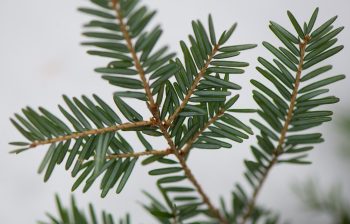
      Pine needles
      Eastern Hemlock needles
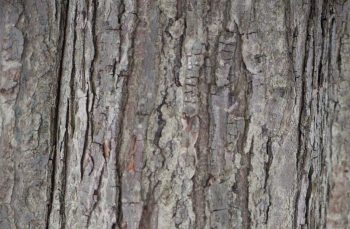
      Bark
      Eastern Hemlock bark

      Ironwood (Ostrya virginiana) 

      • Mature Height: 25+ feet
      • Mature Width: 15+ feet
      • Light Requirements: Full Sun, Part Shade, Full Shade
      • Soil Preference: Moist, well-drained. Sensitive to road salts.
      • Growth Rate: Slow
      • Features of Interest: This species is also called hop hornbeam because of its seeds, which resemble hops.
      • Wildlife Benefits: Ironwood twigs, catkins and seeds are a food source for many birds and mammals.
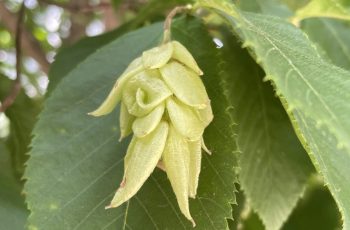
      Leaf and seed
      Ironwood leaf and seed
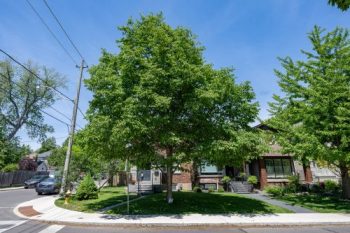
      A tree on a residential street.
      Mature Ironwood tree

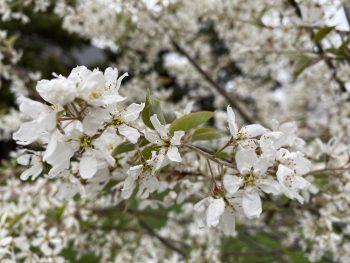
      Serviceberry (Amelanchier canadensis)
      • Mature Height: 10-20 feet
      • Mature Width: 10+ feet
      • Light Requirements: Full Sun, Part Shade, Full Shade
      • Soil Preference: Wet to moist, well-drained soil.
      • Growth Rate: Moderate
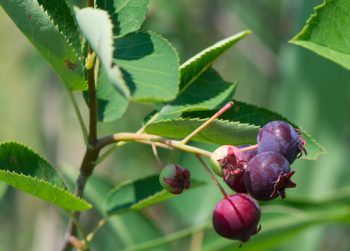
      • Features of Interest: Showy white flowers in spring, edible reddish-purple berries in summer, and vibrant orange-red fall colour.
      • Wildlife Benefits: Berries are popular amongst fruit-eating birds and mammals. Early spring blooms support pollinators.
      Shrub showing white flowers in spring
      Serviceberry bloom
      Green shrub showing leaves and berries
      Serviceberry fruit

      Sugar Maple (Acer saccharum)

      • Mature Height: 60+ feet
      • Mature Width: 40+ feet
      • Light Requirements: Full Sun, Part Shade, Shade
      • Soil Preference: Moist, well-drained soil.
      • Growth Rate: Moderate
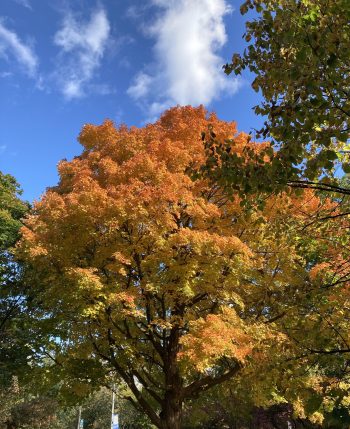
      • Features of Interest: Brilliant fall colour ranges from yellow to orange to red.
      • Wildlife Benefits: Supports a variety of pollinators and other wildlife, including the endangered Cerulean warbler and Acadian flycatcher birds. Larval host plant for the Imperial moth.
      Tree showing orange fall foliage with a blue sky in background
      Sugar Maple fall foilage
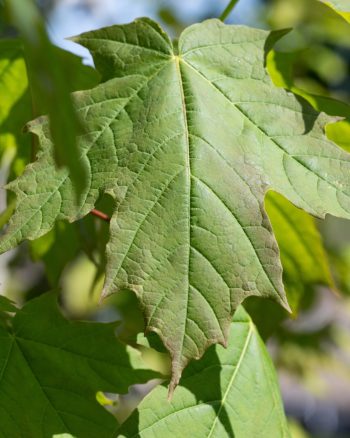
      Tree with deciduous green leaves
      Sugar Maple leaves

      White Oak (Quercus alba)

      • Mature Height: 50+ ft
      • Mature Width: 50+ ft
      • Light Requirements: Full sun
      • Soil Preference: Moist, well-drained
      • Growth Rate: Moderate
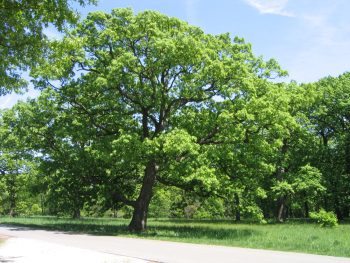
      • Features of interest: White oaks are large-maturing, long-lived trees that can provide shade and wildlife benefits for several hundred years.
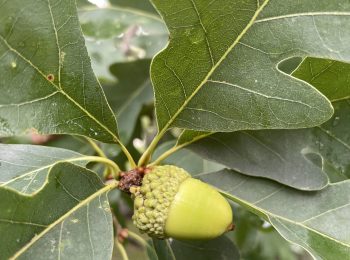
      • Wildlife benefits: White oak hosts hundreds of species of butterfly and moth caterpillars. Acorns are a food source for small mammals and large birds such as the Blue Jay.
      Leaves and acorn.
      White Oak leaves and acorn
      A tree in a field.
      White Oak mature tree

      White Pine (Pinus strobus)

      • Mature Height: 50+ feet
      • Mature Width: 20+ feet
      • Light Requirements: Full Sun, Part Shade
      • Soil Preference: Moist, well-drained soil. Sensitive to road salts.
      • Growth Rate: Fast
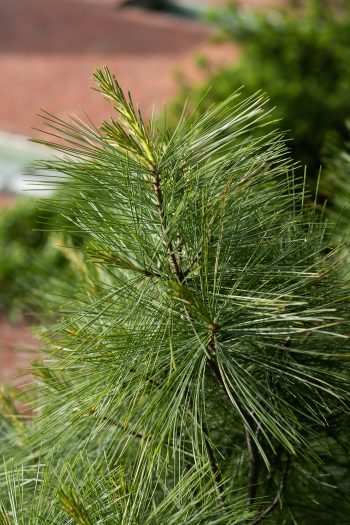
      • Features of interest: White pine has long, feathery needles that grow in bundles of five and remain on the tree all year long.
      • Wildlife benefits: Several songbird and small mammal species eat white pine seeds and use this tree as nesting habitat.
      Pine needles
      White Pine needles
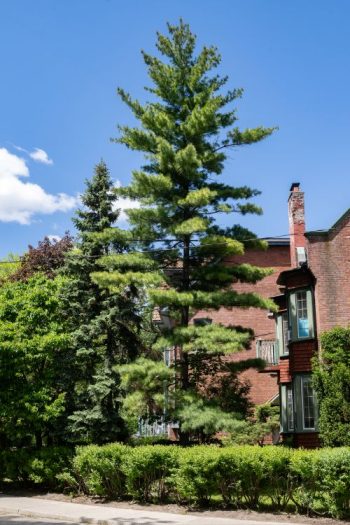
      A pine tree on a residential street.
      White Pine mature tree

      Shrubs

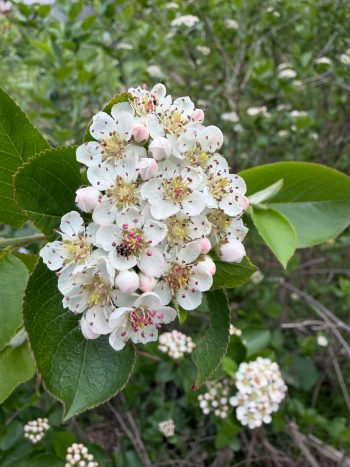
      Black chokeberry (Aronia melanocarpa)
      • Mature Height: 3-8 feet
      • Mature Width: 3-6 feet
      • Light Requirements: Full Sun, Part Shade
      • Soil Preference: Moist, well-drained soils. Tolerant of a variety of soil and moisture conditions.
      • Growth Rate: Moderate to Slow
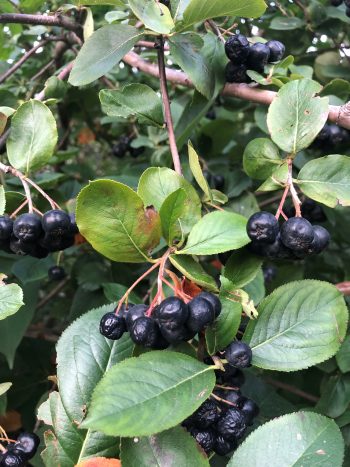
      • Features of interest: Small clusters of white flowers in spring, dark black fruit, and purple-red fall foliage
      • Wildlife benefits: Pollinators are attracted by the spring flowers, and songbirds enjoy the fruit throughout the fall and winter.
      Flowers
      Black chokeberry flowers
      Berries
      Black chokeberry fruit

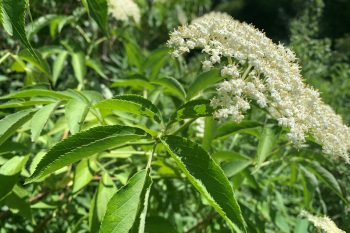
      Common elderberry (Sambucus canadensis)
      • Mature Height: 10 feet
      • Mature Width: 10 feet
      • Light Requirements: Full Sun, Part Shade
      • Soil Preference: Moist, well-drained soils.
      • Growth Rate: Moderate.
      • Features of interest: Common elderberry has large, flat-topped clusters of show white flowers in summer, followed by clusters of small dark fruit.
      • Wildlife benefits: Many bird and mammal species enjoy the Common Elderberry’s fruit.
      Leaf and flower
      Common Elderberry leaf and flower
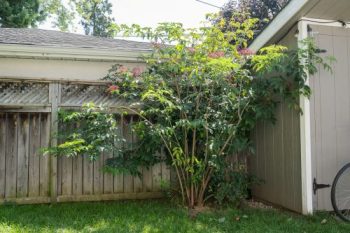
      Tree in backyard
      Common Elderberry mature tree

      New Jersey Tea (Ceanothus americanus)
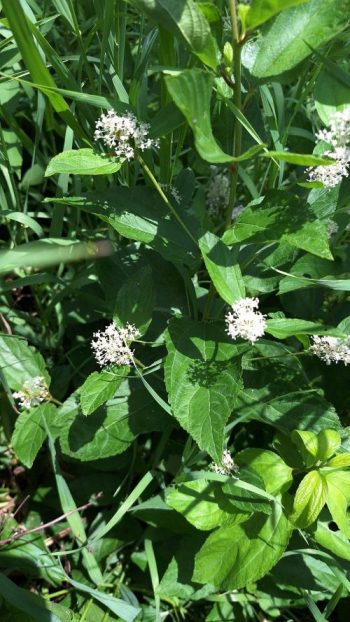
      • Mature Height: 3-5 feet
      • Mature Width: 3-5 feet
      • Light Requirements: Full Sun, Part Shade
      • Soil Preference: Sandy, well-drained soil. Tolerates dry, rocky soils and occasional drought.
      • Growth Rate: Moderate to Slow
      • Features of interest: Compact, mounded shrub with clusters of white flowers in the summer.
      • Wildlife benefits: Flowers provide nectar for bees, butterflies and hummingbirds.
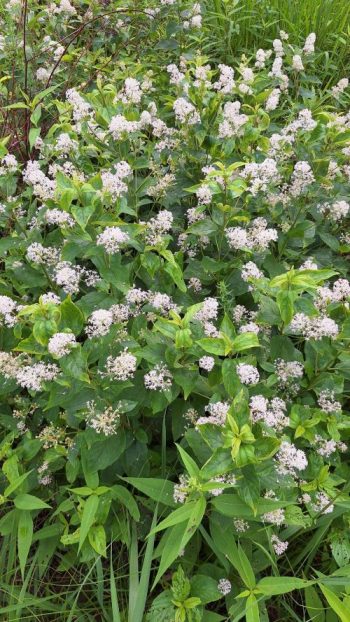
      Flowers
      New Jersey tea flowers
      Flowers
      New Jersey tea form

      Ninebark (Physocarpus opulifolius)

      • Mature Height: 6-10 feet
      • Mature Width: 6-10 feet
      • Light Requirements: Full Sun, Part Shade
      • Soil Preference: Moist, well-drained soils. Tolerant of dry, rocky soils and clay.
      • Growth Rate: Moderate
      • Features of interest: Ninebark has attractive, peeling papery bark and produced clusters of small white flowers in the spring.
      • Wildlife benefits: Ninebark flowers are an important nectar source for bees and butterflies, and their papery seeds persist on the plant into winter providing food for seed-eating birds.
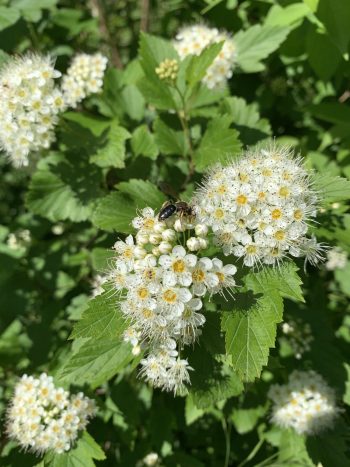
      Flowers
      Ninebark flowers
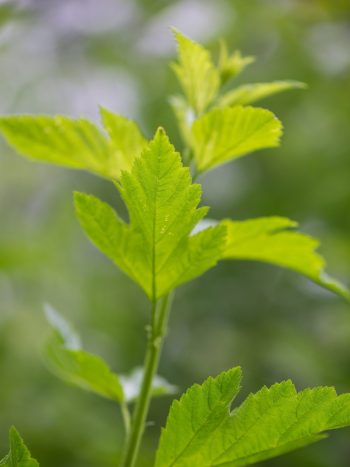
      Leaf
      Ninebark leaf

      About the Program

      The Neighbourhood Planting Program supports eligible community-based not-for-profit groups to host a tree and shrub giveaway or planting event in their neighbourhood. All trees and shrubs must be planted on private property within the City of Toronto.

      There are two application periods for this program: one in January for spring events and one in June for fall events.

      What Community Groups Receive

      The program provides free native trees and shrubs, and free educational materials. Eligible groups can also apply for financial assistance to purchase materials to help run their event and promote the survival of the new plants.

      Each season, a variety of native trees and shrubs will be provided by the City. Successful applicants will submit order for species and quantities. The City will deliver the requested plant material to your event.

      The trees and shrubs will come in 1- or 2-gallon pots and range from 1 to 4 feet in height.

      Application Information

      Applications for 2026 events are now closed.

      There are two application periods for the Neighbourhood Planting Program in January for spring events and June for fall events. Subscribe to our mailing list below to be notified of application dates.

      Please see Neighbourhood Planting Program for eligibility requirements and information on how to apply.

      Applications must be submitted through the Toronto Grants, Rebates and Incentives Portal. 

      See the list of events this fall below or sign up for our mailing list to be notified when more giveaways become available.

      Event Date & Time Location
      Toronto Free Tree Program – National Tree Day ​ Wednesday, September 23

      4 to 7 p.m.

      Registration closed.

      Centennial Recreation Centre, 1967 Ellesmere Rd, Scarborough, ON M1H 2J6
      Toronto Free Tree Program  Saturday, September 26

      10 a.m. to 1 p.m.

      Registration closed.

      West Deane Park, 376 Martin Grove Rd, Etobicoke, ON M9B 4L7
      Toronto Free Tree Program  Wednesday, September 30

      4 to 6 p.m.

      Registration closed.

      Glen Long Community Centre, 35 Glen Long Ave, North York, ON M6B 2M1
      Toronto Free Tree Program  Saturday, October 3

      10 a.m. to 1 p.m.

      Registration closed.

      East York Memorial Arena, 888 Cosburn Ave, East York, ON M4C 2W6
      Neighbourhood Planting Program – ParkLover Event Saturday, November 7

      2 to 3 p.m.

      Registration closed.

      Moore Park, 110 Cactus Ave, North York ON M2R 2V4

      About the Grants

      Under the Urban Forestry Community Grants, the two funding streams available are the:

      • Greening Partnership Grant
      • Community Planting and Stewardship Grant

      These grants support tree planting and stewardship projects carried out by eligible not-for-profit organizations, charities and institutions on private land within the City of Toronto.

      Application assessment considerations may include a project’s ability to increase canopy cover, build community connections, increase equitable access to green infrastructure and environmental impact.

      Application Information

      Applications for the 2026 Community Grants are closed. Please see Urban Forestry Community Grants for eligibility requirements and information on how to apply.

      Applications must be submitted through the Toronto Grants, Rebates and Incentives Portal.

      About the Program

      The City has partnered with Local Enhancement and Appreciation of Forests (LEAF) to offer tree planting services on private property to Toronto residents at a subsidized cost.

      LEAF offers either a full-service planting option or a do-it-yourself planting option.

      What Residents Receive

      Under the full-service option, you will receive an in-person site consultation with a LEAF arborist, delivery, planting, and mulching of your new tree and ongoing support and educational material from LEAF. The full-service option costs range from $160 to $230 per tree (+HST).

      If you are interested in planting the tree yourself, you will receive a virtual consultation with a LEAF arborist, delivery of your new tree and mulch, as well as ongoing support and educational materials from LEAF. The do-it-yourself option costs range from $110 to $180 per tree (+HST).

      The trees sizes range from 5- to 8-foot-tall native deciduous trees or 2- to 4-foot-tall native evergreen trees.

      Schedule a Consultation

      From 2017 to 2025, the Urban Forestry Grants and Incentives Program has invested and leveraged over $25.4 million and funded 247 projects across all 25 wards in Toronto. Together, with the help of our partners, we have been able to plant over 128,000 trees and shrubs on private land and engage over 326,000 people. The impact reports listed below highlight our achievements in increasing canopy cover on private land and showcase the successes of our community partnerships and collaborations.

      While we aim to provide fully accessible content, there is no text alternative available for some of the content on this site. If you require alternate formats or need assistance understanding our maps, drawings or any other content, please email forestrygrants@toronto.ca.

      See two versions of the 2024 Urban Forestry Grants and Incentives Impact Report:

      See two previous versions of the 2020 Urban Forestry Grants and Incentives Impact Report:

      Stay Informed

      Sign up to get updates.

      Type (don’t copy and paste) your email into the box below and then click “Subscribe”. You will receive an email with instructions to confirm your request.

       
      Subscribe to receive information about private land planting initiatives and opportunities in Toronto, including notifications about program offerings, upcoming events, and other information about tree and shrub planting on private land in the city. You can unsubscribe at any time.

      Environment, Climate and Forestry collects personal information under the legal authority of Toronto City Council Item 2025.IE21.5, as confirmed by the City of Toronto By-law 490-2025. The information will be used to send content/updates related to the Urban Forestry Grants and Incentives Program. Questions about this collection can be directed to the Supervisor, Strategic Tree Planting Projects, 18 Dyas Road, 4th Floor, Toronto, Ontario, M3B 1V5 or by telephone at (416) 392-4401.

      Date modified: October 7, 2026