

The current City of Toronto Archives was established on January 1, 1998, when the archives of the former City of Toronto and Metropolitan Toronto merged. Since then the historic records of the other former municipalities, East York, Etobicoke, North York, Scarborough and York, have been added to the collection. Today the Toronto Archives is part of Corporate Information and Management Services within the City Clerk's Office.
The archives of the former City of Toronto began in 1960 with the appointment of the first City Archivist, Robert Woadden. Before that, thousands of glass plate negatives and boxes of records were stored in different places, many of which lacked adequate security and had no environmental controls.
Woadden recognized the historical value of these records and designed a program to properly catalogue, preserve and store them. He introduced a centralized records management system and persuaded senior managers that records of historic value should be transferred to the Archives for preservation and access.
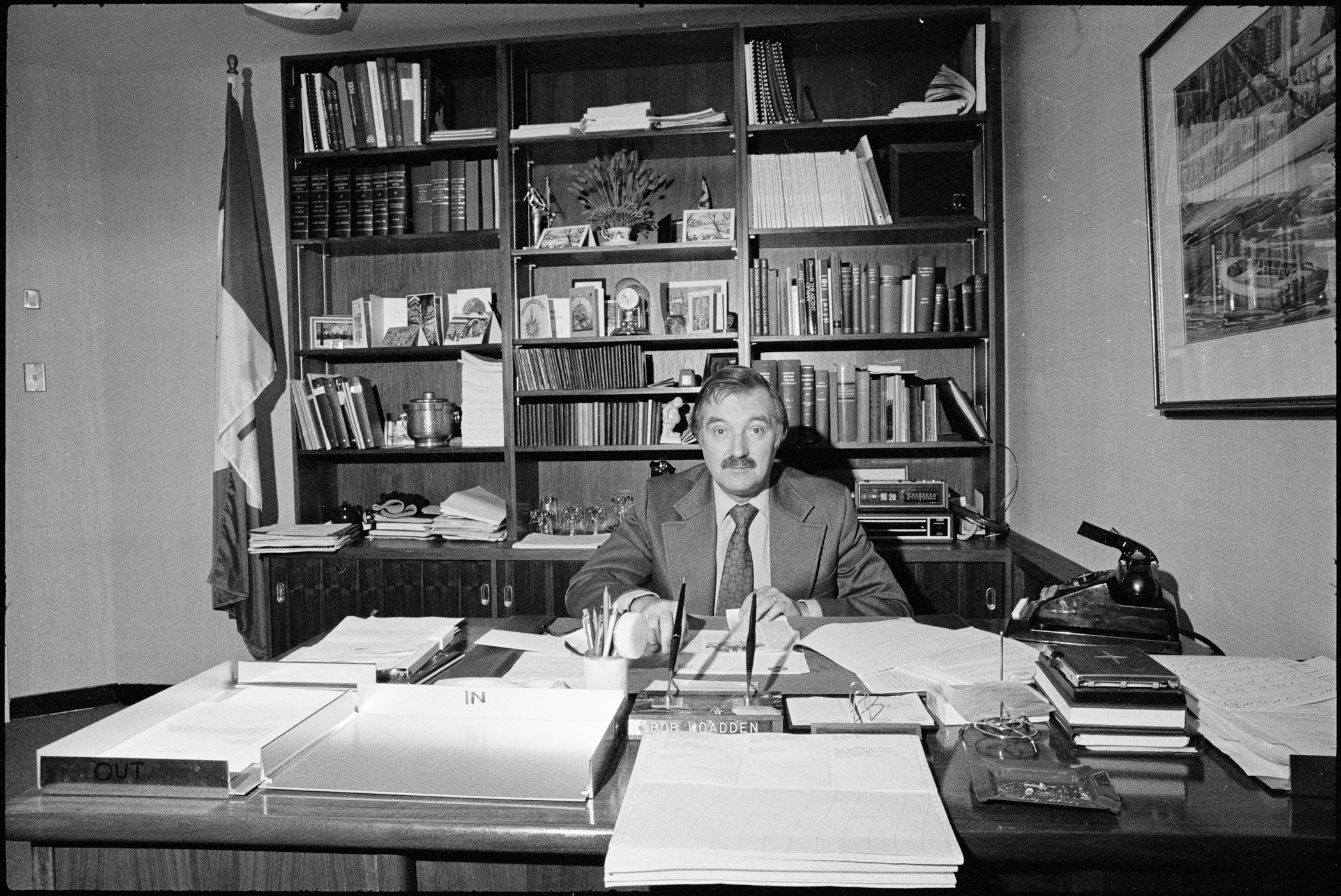
When new City Hall opened in 1965, the Archives moved out of the attic of old City Hall to the basement of the new building, gaining much-needed space. Woadden led the City of Toronto Archives until 1975 when he became the Deputy City Clerk. In 1981 the Archives won the Distinguished Service Award from the Society of American Archivists, the first Canadian archives to do so.
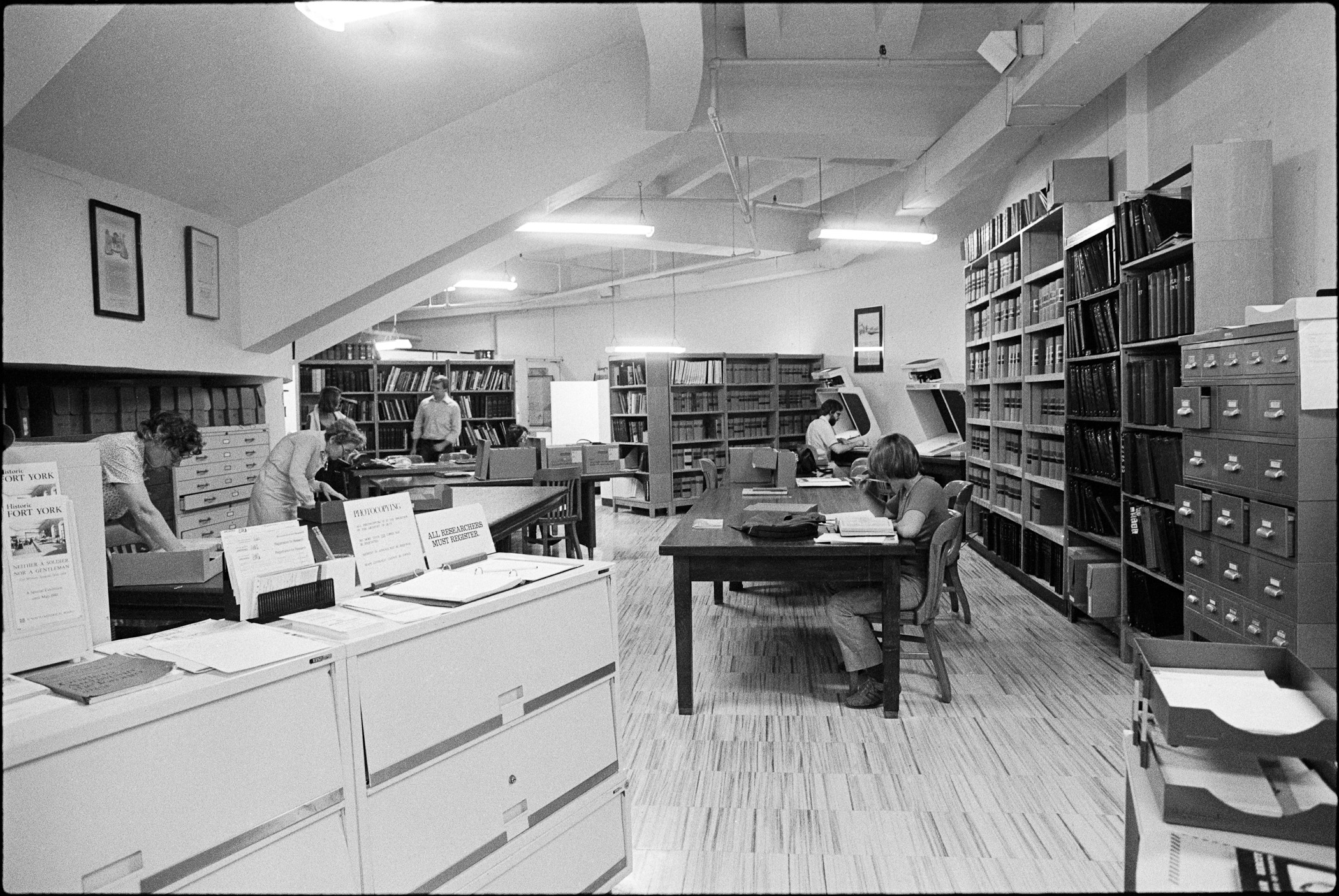
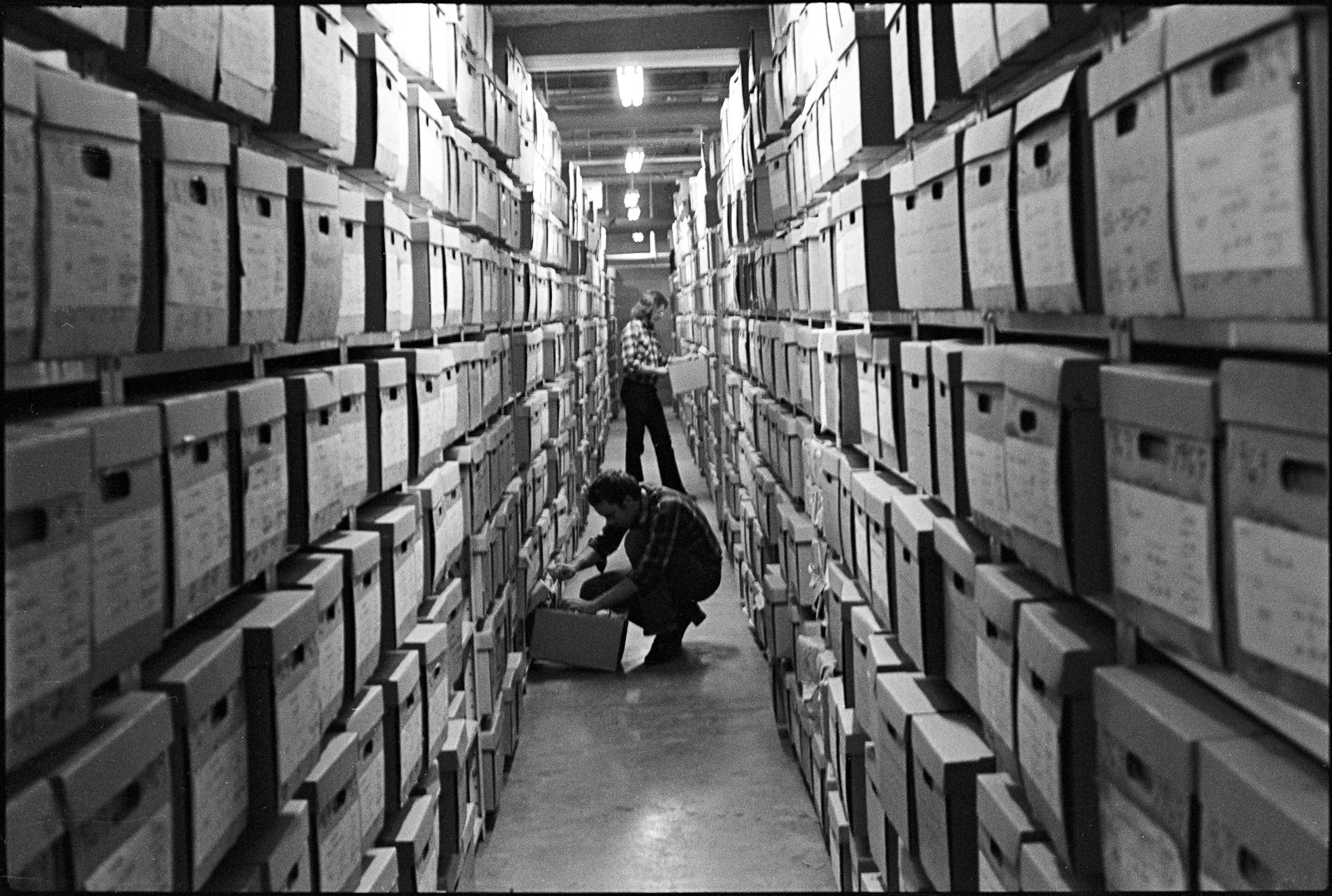
In 1985, after three years of study, Metro Council approved the appointment of a Director of Records and Metropolitan Archivist. The new director led a program devoted to the ‘effective maintenance and retrieval of information required for decision-making, the delivery of public services, the management of confidential and vital information, and the preservation of recorded heritage’.
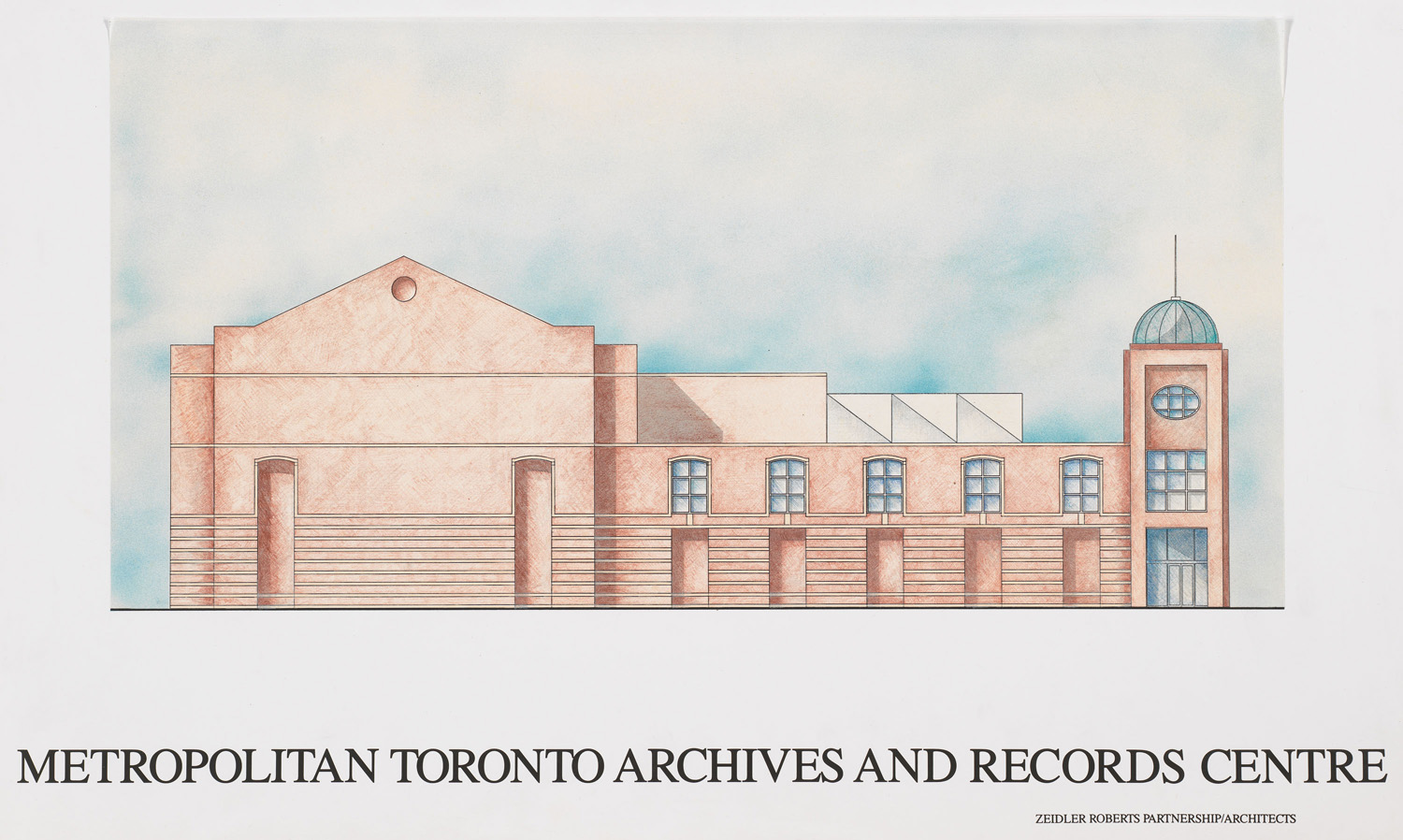
A year later, architectural firm Zeidler Roberts was hired to prepare a preliminary engineering study for the accommodation of this program. Capital funding was obtained in 1987 to build the Metropolitan Toronto Archives and Records Centre at 255 Spadina Road. Construction began in November 1989, and the building opened in January 1992.
The other former municipalities had established records management programs, but had limited or no archival services.
York briefly employed an Archivist during the mid-1970s and East York and Etobicoke introduced limited archival services during the 1980s. Scarborough considered creating a city archives in the mid-1990s as part of its bicentennial celebrations, but the program did not move forward. North York Council approved an archives on July 7, 1986, but no funding was provided and the program never launched.
For an overview of our collection, see What’s in the Archives.
For the Archival Services collection mandate see our Acquisition Policy.
The Toronto Archives preserves and makes accessible government records, which provide evidence of the decisions, policies, and activities of the City of Toronto. The Archives also collects non-government records from people and organizations that have made significant contributions to the development and history of Toronto.
The City of Toronto Archives is located just south of the intersection of Davenport and Spadina roads. Davenport Road follows the route of an ancient trail used by Indigenous Peoples and early European settlers to travel between the Don and Humber rivers.
The site was originally forested but was cleared for farming after European settlement. After the railway came in the early 1880s, much of the land was sold to developers and marketed as small residential lots. In 1909, businessman Jesse Cook bought several of the lots at the corner of Spadina Road and Macpherson Avenue, then known as Bridgman Avenue, and established a lumber yard there.
In 1910, R. Laidlaw & Co., a company that already owned several lumber yards and mills in the city, bought the business, operating it until 1921. Laidlaw built a three-storey brick woodworking factory at the south-west corner of the site and several smaller wooden buildings.
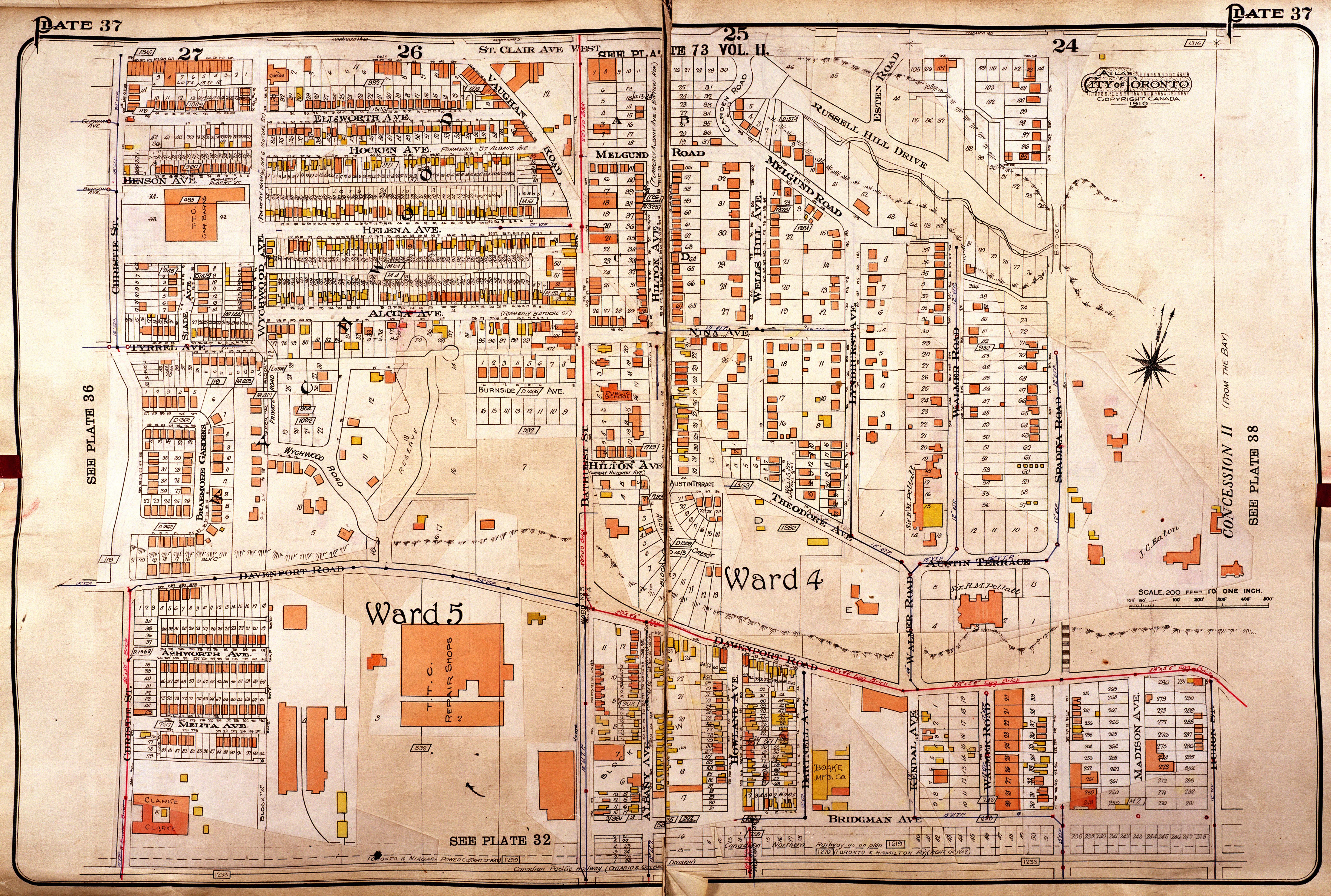
In 1922 Langley’s Cleaners and Dyers purchased the site keeping the existing brick building, adding several extensions to the north. After Langley’s moved to another site around 1951, a variety of businesses used the buildings.
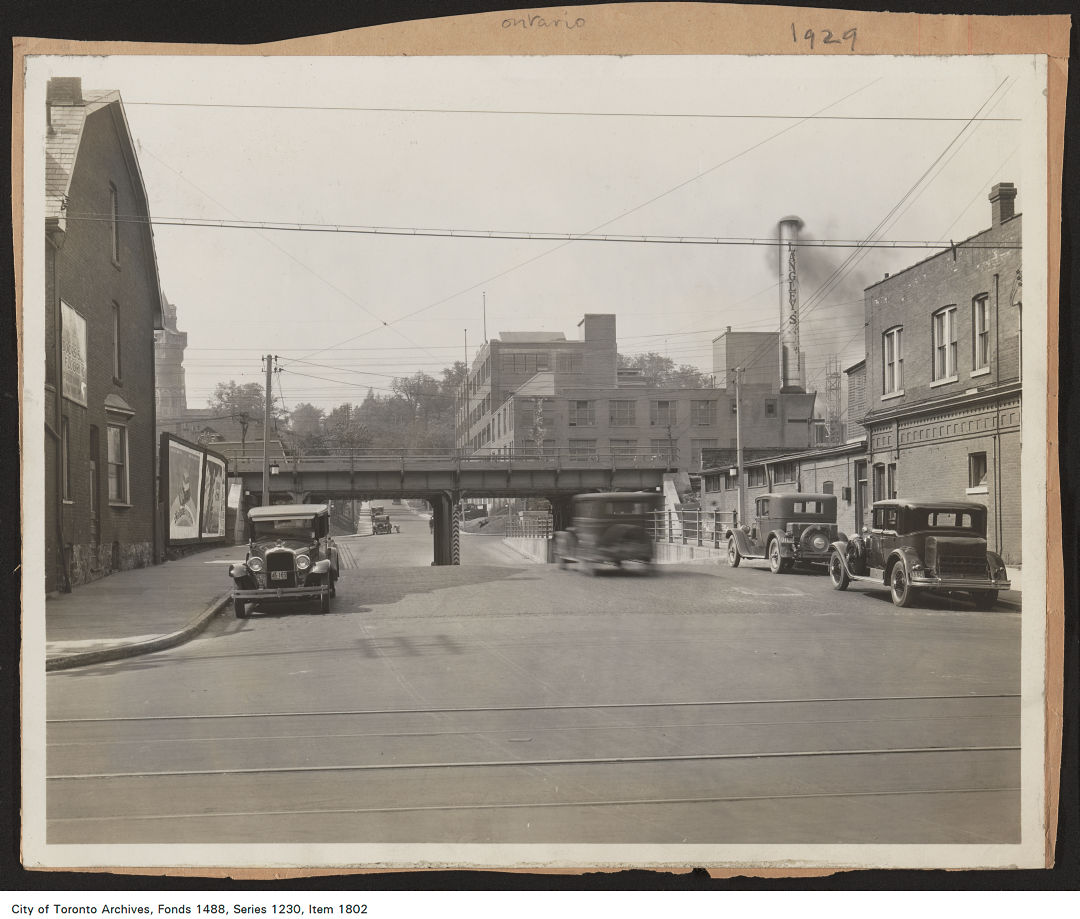
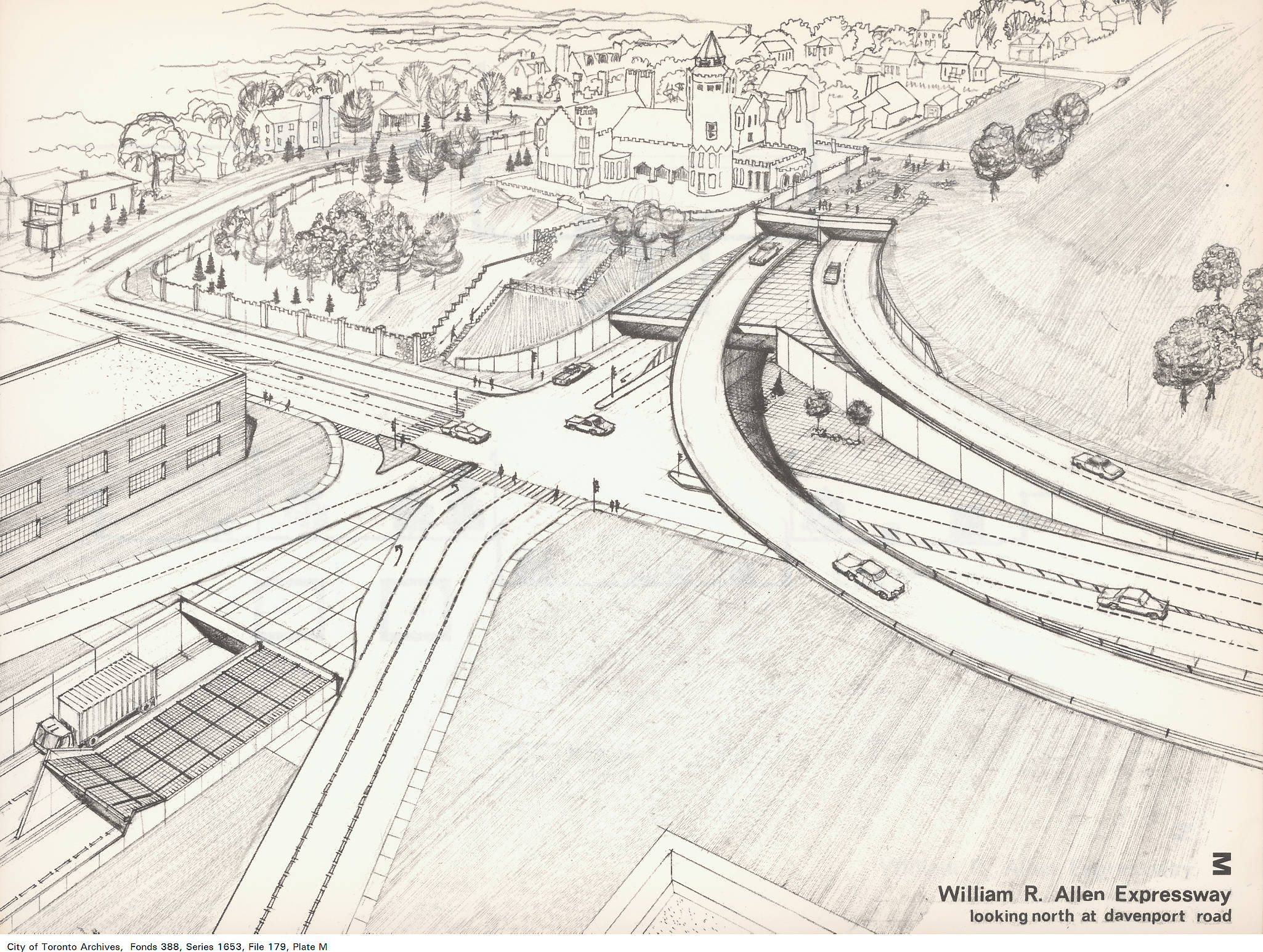
During the 1960s Metropolitan Toronto acquired the site as part of the planned Spadina Expressway project. Public opposition stopped the expressway from being built. In the 1980s, when Metropolitan Toronto decided to build an archives, this site was chosen.
The City and Metro Archivist positions were originally Director level positions. The holders of these offices were responsible for the records management and archival services programs. The title was not used from 2006 until 2008 when the position became solely responsible for the management of the archival services program.
From 1994 to 1996 the position was vacant and was filled in an acting capacity.