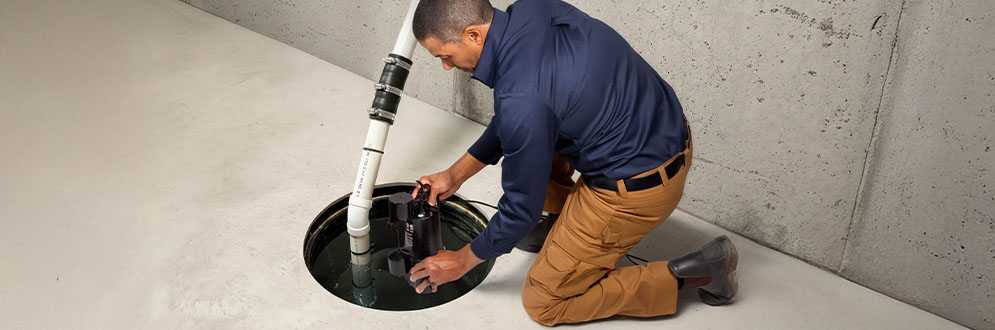
Up to $6,650 per property is available for eligible flood protection work that helps safeguard your home from basement flooding. Learn about the Basement Flooding Protection Subsidy Program.

Basements can flood for many reasons. While the City is working to improve its complex system of underground pipes, sewers and catch basins, these improvements alone cannot completely protect a home from basement flooding.

During heavy rain, the sewers can become overloaded. It is essential that homeowners take steps to help protect their home from basement flooding.

Every home is at risk of basement flooding, even if it has not happened before. Water in your basement is most likely to occur during heavy rainfall, or when snow and ice is melting.

Reasons basements flood include:

  • stormwater or ground water seeping into the home (drainage failure) due to:
    • a crack or leak in your home’s foundation, basement walls, or basement windows or door
    • poor lot grading or drainage
    • weeping tile system (foundation drains) failure
    • sump pump (used to pump weeping tile water) failure
    • overflowing eavestroughs
    • leaking or plugged downspouts
  • a sewer back-up caused by a blocked, broken/cracked or overwhelmed sewer lines due to:

If you don’t know how the sewer or water plumbing systems function at your property, you may wish to contact a licensed plumber for a home plumbing assessment, which may be eligible for a subsidy.

Watch the City’s series of videos to learn about preventing basement flooding in your home. Learn how your home plumbing and sewer system work, what a sewer cleanout is, overland flooding, cleaning blocked or plugged eavestroughs, disconnecting downspouts, flood prevention devices and more.

Find more tips to prevent basement flooding.

Immediate actions

  • Contact Toronto Hydro to have your power shut off to prevent shock or electrocution in the event that water has risen above outlets or near the electrical panel.
  • If you suspect flooding could be the result of a sewer back-up, do not use toilets and sinks unless it is absolutely necessary until the issue has been resolved. Any water sent down the drain may end up in your basement.
  • Report basement flooding to the City by contacting 311 or visiting 311 online to submit a service request.
    • City staff will investigate the problem, assess the flooding and attempt to determine the source of the flooding.

Property damage

  • Call your insurance company as soon as possible and report property damage caused by the flooding.
  • Take photos of damage caused by the flooding and keep receipts from emergency repair or clean-up work.
  • If the flooding is a result of a private blocked drainpipe, leaking foundation walls or poor lot drainage on your property, you are responsible for repairs and any subsequent damage caused by flooding.
  • You may submit a claim to the City of Toronto.
    • Your claim will be forwarded to and managed by the City’s insurance adjusters. A letter of acknowledgement will be sent to you.
    • City insurance adjusters will keep the property owner informed of actions and timelines.

Health and safety concerns

Be mindful of health and safety with a flooded basement. You may be exposed to waterborne diseases, corrosive cleaning agents and irritants found in leftover sludge from a flooded basement. Electrical accidents may occur because of contact with water and electricity. If possible, shut off electrical power.

  • Consider hiring a professional cleaning company familiar with cleaning sewage contaminated basements.
  • Keep children and pets out of the affected area until cleanup has been completed.
  • Dress appropriately – wear full-length clothing, gloves, protective eyeglasses, rubber boots and a mask.
  • Stay away from electrical equipment. Have a licensed electrical contractor assess the situation to determine if there are potential electrical hazards.
  • Water could extinguish a pilot light on a gas appliance. If you detect gas, leave the house immediately and contact the gas company.
  • Discard all contaminated items that cannot be washed and disinfected
  • Wash all surfaces with hot water and liquid detergent, rinse and thoroughly dry and ventilate the area.
  • Sanitize walls and floors using a solution of household bleach (mix one cup of bleach with five gallons of water).
  • Remove and discard drywall and insulation that has been contaminated with sewage or flood waters.
  • Wash all clothes worn during the cleanup in hot water and detergent.
  • Discard any packaged or non-packaged food items that may have come in contact with flood waters.

When you experience basement flooding, you should report the incident to 311 for several reasons:

  • Investigation: The City will dispatch staff to investigate and take steps to diagnose whether the reported basement flooding and/or blocked sewer service line was the result of an issue with the City’s infrastructure, requiring the City to take steps to address it.
  • Sewer service line blockages: Multiple properties on the same street may have experienced basement flooding, which may be an indication that the sanitary sewer under the street has a blockage that needs to be cleared.
  • Inspection record: The City creates a record documenting calls to 311 reporting a basement flood and/or a blocked sewer service line, along with the results of the investigation staff have completed. The results of the investigation and the inspection record play an important role in the City’s third-party claims investigation process.
  • Infrastructure upgrades: The City refers to the information compiled from the number of calls received in an area that may help identify the performance of City infrastructure and/or if an area has a history of flooding. This information will help determine if any future infrastructure upgrades are required in the area.
  • Improves customer service: Reporting basement flooding can assist the City in planning and deploying field staff efficiently, especially during heavy rainfall.

The City employs skilled water service technicians who follow approved municipal practices related to basement flooding and/or blocked sewer service lines. There are water service technicians working 24 hours a day, seven days a week.

Each service request to 311 includes the following information:

  • name of the customer
  • property address
  • contact phone number
  • brief description of the reported issue

A water service technician is assigned to the service request to attend the area and visit the property to investigate the issue. From the initial contact with 311, the response time is normally within four hours. The response time may vary depending on the number of service requests being attended to at that time, especially during heavy rainfall. You will be advised if the response time is expected to be more than four hours.

When the water service technician arrives, they will assess whether the flooding is related to the operation of the City’s infrastructure. This can take time. Diagnosing issues with below grade infrastructure may involve an assessment of how the drains and pipes on private property have been installed and connect with the City’s infrastructure. It could also include an investigation that may require the involvement of other public authorities that have infrastructure below the ground (for example, Enbridge Gas).

Step 1: Investigating the City sanitary sewer (located under the road)

The water service technician will investigate the City maintenance holes on the road, both upstream and downstream to determine if the sanitary sewer has overflowed.

  • If the sanitary sewer is blocked and has overflowed, the water service technician may create a new work order for emergency flushing (which requires a special crew of City staff) and, if required, undertake closed circuit TV (CCTV) to help determine the source and location of a blockage or damage to the sewer.
  • Flushing a blocked sanitary sewer is emergency work and it can take several hours to mobilize the necessary equipment. It may also include discussing these circumstances with City engineers.
  • City staff will advise the property owner of all actions so they are aware of the process and timelines.

Step 2: Investigating basement flooding

If the blockage is not found in the City sanitary sewer under the road, the water service technician will then visit the property by knocking on the door to speak with the property owner.

If the basement has flooded, the water service technician will ask questions about the water in the basement, such as:

  • Is the water clear or muddy?
    • Clearer water is normally a result of overland flow/drainage issues, while muddy water can be a result of a sewer service line or sanitary sewer blockage.
  • Does the water have an odour?
  • Where might the water have entered the property?
  • How long did it take for the water to recede?

After some storms, City staff may undertake a more detailed investigation of the property for the purposes of diagnosing the cause of the flooding. This information is not related to the third-party liability claims investigation process.

  • City staff will not enter flooded basements for health and safety reasons. The water service technician will only enter onto private property with the property owner’s permission and if they feel it is required and safe to do so.
  • The water service technician will provide the property owner with information on how to prevent basement flooding and the subsidies available for flood prevention devices.

Communication with the public should not be interpreted as a conflict of interest when filing a claim, or when the City is defending a claim. The City is only giving truthful information that they are aware of in general terms, and every property and basement flooding incident is different.

    Basement Flooding Protection Subsidy Program

    The City offers owners of single-family, duplex, triplex and fourplex residential homes a subsidy of up to $6,650 per property to help protect their property from basement flooding.

    Basement Flooding Protection Program

    The City is taking steps to stop the overloading of the sewer system and reduce basement flooding by improving sewer infrastructure and drainage routes across Toronto.

    Mandatory downspout disconnection

    Disconnecting downspouts from the sewer system is mandatory. It can reduce the risk of basement flooding and releasing polluted rainwater into our local waterways.

    Preventative maintenance

    The City regularly inspects, cleans and maintains the sewer system to ensure it is in good working order.

    Download the Be Ready Before a Basement Flood Tests Your Home infographic (8.5″ x 14″) for actions you can take to reduce the risk of basement flooding in your home.

    Translations in additional languages will be available at a later date.