

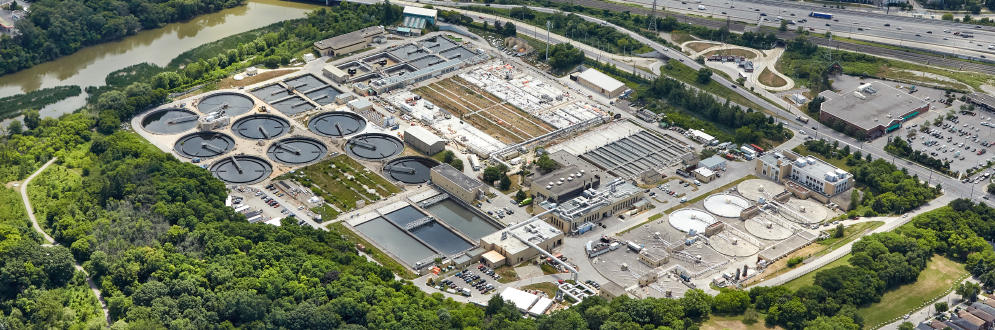
The plant provides complete wastewater treatment, which includes:
Learn more about how we collect and treat wastewater.
Humber Treatment Plant is continuing with its major infrastructure improvement program. Major projects include:
Continued planning and design work is ongoing for many long-term projects that are scheduled up to 2031, representing long-term investment in protecting public health and Lake Ontario.
Odours or unpleasant smells near wastewater treatment plants are common and typically short-lived. Local and major sewers can also cause similar temporary odours. Weather conditions, including wind direction, temperature and humidity can make normal treatment-related odours more noticeable at times.
Since 2008, the City has invested more than $60 million to reduce odours at the Humber Treatment Plant. Projects included installing two biofilters and three activated carbon units to treat foul air and contain odours at the plant, all of which have been completed and are operational.
Between 2027 and 2031, the City will invest about $15 million to upgrade the plant’s odour control equipment and replace filter media. These improvements will help keep the equipment working reliably.
Report an unpleasant smell or odour that you suspect is coming from a wastewater treatment plant.
All odour complaints are taken seriously and will be investigated by staff. Identifying the source can be complex, as conditions may change between the time an odour is reported and when staff are able to complete a site investigation.
During heavy rain and snow melt, the volume of stormwater can overwhelm the capacity of the plant’s secondary treatment process (biological treatment using microorganisms).
A bypass is when the plant diverts wastewater around the secondary treatment process. The wastewater still goes through all other treatment processes to ensure treated water always meets federal and provincial regulations.
Visit Wastewater Treatment Plant Bypass Reports for lists of bypasses at Humber Treatment Plant.