City of Toronto   *
HomeContact UsHow Do I...? Advanced search Go
Living in TorontoDoing businessVisiting TorontoAccessing City Hall *
*
*
 
green bullet Office of Equity, Diversity and
Human Rights
green bullet Plan of action
green bullet Community advisory committees
green bullet Access, Equity and Human Rights Awards
green bullet Reports/tools
green bullet Poster gallery
green bullet Contact us
*  
*
*
* * Plan of action for the elimination of racism and discrimination *
* *
Introduction Consultation Process
Plan of Action Reference Group
Vision Statement Executive Summary
Strategic Directions    

Plan of Action

  1. Guided by the directions set out by the Final Report of the Task Force on Community Access and Equity, the City will work towards achieving full implementation of the 97 recommendations. These recommendations address the City's goals for access and equity as well as the City's role as advocate.

  2. The City will continue to take actions aimed at building an organization which is responsive to the diversity among City residents by:

    1. developing an Access Action Plan Guide, which will include measurement indicators for use by City Departments and the City's Agencies and Special Purpose Bodies to prepare and submit their Action Plans to City Council;

    2. developing an Accessibility Plan as required by the Ontarians with Disability Act to remove barriers to services for people with disabilities, and submit reports to the provincial government;

    3. completing the employment equity workforce survey of City Departments as outlined in the goal of the City's Employment Equity Policy to achieve a representative workforce at all occupational levels;

    4. using the survey results to develop proactive employment equity plan and programs which include mechanisms for measuring and monitoring outcomes and results;

    5. implementing an employment accommodation policy to provide appropriate accommodation, for instance, to employees with disabilities and employees who need religious accommodation;

    6. requesting that the City's Agencies, Boards, Commissions and Special Purpose Bodies conduct employment equity surveys with the results to be reported to City Council;

    7. implementing a range of training and awareness programs, including the sensitizing of staff and management to the accommodation needs of employees with disabilities and employees who need religious accommodation, and making sure that training offered is current and addresses issues of gender, race, disability, religion, lesbian, gay, bisexual and transgender people, etc., and acknowledging the impact of the intersectionality of these factors.

  3. In response to the changing demographic composition of the population, the City will:

    1. publish an annual diversity report card based on identified indicators;

    2. undertake research to establish indicators which can monitor the socio-economic status of groups, and which can be used to set service delivery priorities;

    3. conduct specific studies on issues identified through community consultations and by the community advisory committees on access, equity and human rights, including analysis based on gender and intersection of diversity;

    4. hold bi-annual workshop/seminar on best practices and involve participation from all sectors of the City.

  4. To pursue the direction of economic participation, the City will:

    1. increase its involvement in Aboriginal economic development in partnership with Aboriginal community organizations;

    2. integrate into the City's plans for labour force development co-operative strategies with other orders of government, educational and training institutions and public and private sector organizations to address the unique needs of Aboriginal people, women, people with disabilities, immigrants, refugees, visible minority people, lesbian, gay, bisexual and transgender people, people with low literacy, and to ameliorate the labour market and economic disparities between various groups in the City;

    3. implement mentoring programs to assist employees to develop skills for occupational advancement and internationally trained professionals to access employment in their fields of expertise, and encourage and recognize employees who act as volunteer mentors;

    4. continue outreach and information initiatives so that businesses from diverse communities have access to the procurement process of the City and its Agencies, and Special Purpose Bodies;

    5. provide information, peer networking and advocacy to remove barriers faced by small businesses and businesses owned by people from diverse communities, such as access to loans and credit.

  5. In recognition of the need to build strong communities, the City will:

    1. establish partnerships with diverse communities, other orders of government and public and private sector organizations to address issues of discrimination and inequity;

    2. develop the resources of emerging community organizations through the City's grants programs, staff support, access to space for meetings and programs as well as access to incubator programs for new entrepreneurs;

    3. identify and remove barriers to municipal elections for all voters, provide information on municipal elections in different languages and alternate communication formats and disseminate the information in ways that are free of bias, and encouraging voter turnout;

    4. use creative, innovative and proactive community engagement practices to facilitate diverse communities' participation in the City's decision-making process;

    5. continue to explore funding and resources for the establishment of an Office of Disability Issues;

    6. review zoning bylaws and City policies to address barriers faced by the Aboriginal and diverse communities practising cultural and spiritual traditions, take action on issues that fall within the City's jurisdiction, and advocate for changes if regulations affecting these practices fall under other jurisdictions.

  6. In recognition of the need to increase public awareness of the breadth and depth of the City's diverse communities and their contributions to the vitality of Toronto, the City will:

    1. publicize and celebrate the success and achievements of diverse people and communities to counter negative stereotypes and help the public understand their contributions to Toronto;

    2. provide information on City services and programs in plain language, multi-lingual and alternate formats, and make the information available on the City's website, in published materials and to the ethno-specific and community media;

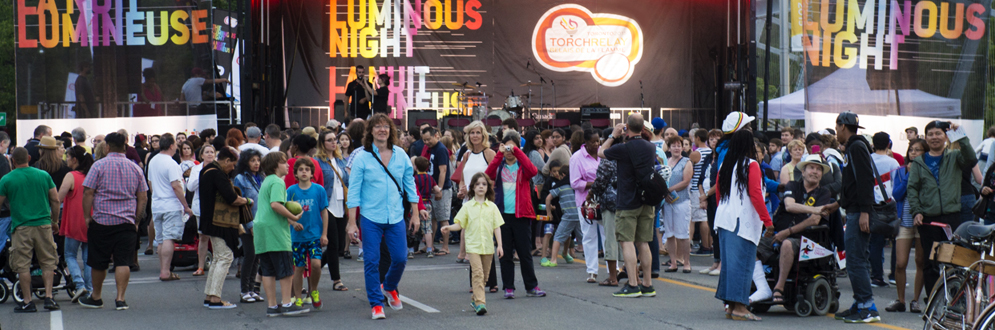
    3. portray diverse populations in the City's advertising, communications, cultural programs and special events through appropriate and inclusive language, pictures and images, including the creation of a Diversity Day as a part of the Celebrate Toronto Street Festival;

    4. promote to the public the City's vision on access, equity and diversity and inform members of the public City policies on non-discrimination, human rights and anti-hate and harassment through information and communication campaigns, community outreach and engagement programs, proclamations on days of significance and special events;

    5. work with community groups, public and private sector organizations and other orders of government to combat hate and discrimination;

    6. increase the awareness and understanding of residents and City staff regarding the role of the City of Toronto's Human Rights Office.

  7. In keeping with its leadership and advocacy role, the City will:

    1. continue to advocate to the federal and provincial governments for adequate funding and co-operative strategies to provide affordable housing; public transit; childcare; employment programs; training in official languages; literacy programs; accreditation and recognition of prior learning and experience of immigrant workers; and settlement services for immigrants and refugees; and for programs to increase voter participation in municipal elections;

    2. develop a Toronto Urban Aboriginal Strategy and Aboriginal Office in accordance with the principle of Aboriginal self-determination in partnership with the Aboriginal communities and other orders of government;

    3. act as an advocate and partner with the school system to acquire adequate funding from the Province to meet the educational needs of students from diverse backgrounds, changes to allow community use of space and recreational facilities in schools, and the continuation of equity programs in schools.

  8. In recognition of the need for the oversight of the implementation of the Plan of Action and for a coordinated approach to accountability, monitoring and advising City Council,

    1. the City Council Reference Group for the Plan of Action for the Elimination of Racism and Discrimination continue to fill this oversight and monitoring role, and meet quarterly to review the status of the implementation of the Plan of Action;

    2. the interdepartmental staff team on access and equity function as a corporate co-ordinating group for the implementation of the Plan of Action for the Elimination of Racism and Discrimination, the Accessibility Plan, and the recommendations of the final report of the Task Force on Community Access and Equity.


Toronto maps | Get involved | Toronto links | 311 | Comment | Subscribe | Privacy statement
*
© City of Toronto 1998-2012