

The Circular Food Innovators Fund (CFIF) launched in 2024 to support local small businesses deliver projects that will help build a more circular food system in Toronto.
The first phase focused on helping businesses set up and expand reuse systems that replace single-use and take-away items with reusable foodservice ware.
In the first round of funding (2024/2025), $262,500 was provided to nine small Toronto businesses. The second funding round (2026/2027) will provide $250,000 to another nine Toronto small businesses. An additional $25,000 of funding will also be provided to five of the nine recipients to support green workforce development projects, including training and job development in Toronto’s circular food economy.
The Circular Food Innovators Fund is not currently offered every year. As part of the implementation of Circular Toronto, consideration will be given to if and how the program could be expanded to further support circular business innovations across the food system.
For questions, please contact circulareconomy@toronto.ca.
Over the next year, the following nine organizations will work to implement projects that will contribute to the City’s goal of eliminating single-use and takeaway items in Toronto and achieving a more green and circular food system. Below are the recipients from 2026/2027:
Project: Reusable Beverageware Pilot and Training Initiative
Total Funding Awarded: $12,386
The Canadian National Exhibition Association (CNEA) will pilot a reusable beverageware system at the Hobby Bar at the 2026 Canadian National Exhibition, replacing approximately 5,400 single-use wine glasses over the 18-day event with Muuse-supplied cups and washing services. The project includes a green workforce component that includes training for staff to build skills and knowledge needed to support the program beyond year one. This initiative will help guide how reusable food and drink items can be used more widely across the CNE, making it a key component of its long-term plan to reduce waste.
Project: Neighbourhood Reuse System
Total Funding Awarded: $30,001
East End United Regional Ministry and its East End Food Hub partners (Applegrove Community Centre, Leslieville Farmers’ Market, Nourish East End) will implement a shared, neighbourhood-scale reusable foodservice ware system across the Leslieville Farmers’ Market, community meals and food bank program. Designed to be permanent and shared across programs, the system will be scalable and will serve as a model for other community programs to adopt circular food practices.
Project: Catering Reuse System and Workforce Development
Total Funding Awarded: $39,799
Fred Victor, through its social enterprise Fred’s Kitchen, will implement a reusable container system for its large-scale catering operations. The project includes a green workforce component that will provide training and employment opportunities particularly for individuals with lived experience of homelessness, helping to build skills and support the system long-term. This initiative is expected to divert approximately 245,000 meals per year from single-use containers, while reducing costs and putting money back into community meal programs and food access services.
Project: Workplace Reuse Hubs and Circular Implementation Toolkit
Total Funding Awarded: $32,385
Inwit will expand its reuse system by implementing centralized in-office reuse hubs to replace single-use and takeaway items that are currently used daily for meals, coffee stations and break rooms. The initiative aims to scale up the impact while shifting workplace habits, increasing employee participation and encouraging more businesses across the city to adopt reuse. The project includes a green workforce component focused on developing a Reuse Implementation Toolkit and Zero-Waste Foodservice Readiness Framework to support other businesses and the foodservice sector adopt similar systems.
Project: Checkout Reuse and POS Integration Pilot
Total Funding Awarded: $21,825
Muuse will enhance its reusable cup and container system by integrating reuse directly into point-of-sale checkout at participating cafés, eliminating customer-side friction and making reuse the default purchasing option. The project includes a green workforce component that develops standardized training, tools and a micro-credential to build staff capacity in operating reuse systems and tracking performance. By embedding reuse into everyday purchases, the initiative aims to increase adoption and reduce single-use packaging across neighbourhoods.
Project: Reusable Foodservice Ware Pilot and Workforce Development
Total Funding Awarded: $40,000
NeighbourLink will implement a shared reuse system at Mel Lastman Square, including return bins, signage and operational supports, to be piloted at several festivals in summer 2026 and 2027. The project will create permanent infrastructure that will enable different events to use the same reuse system year-round. This will help reduce waste and lower costs for organizers and vendors. By standardizing reuse for event operations, the initiative will create a scalable model for circular practices for other civic event spaces across Toronto.
Project: Circular Hub Reuse System
Total Funding Awarded: $29,593
Soul Made will implement a reusable packaging system across its GTA locations, replacing single-use cups and pastry boxes with reusable containers that are tracked using QR codes. Used containers will be collected through existing delivery routes and returned to the downtown production hub for high-temperature cleaning and redistribution. This will create a simple, closed-loop system. The project is expected to divert over 20,000 single-use items each year while showing how businesses with multiple locations can switch to reusable, low-waste operations.
Project: Reusable Foodservice Ware and Community Supper Club
Total Funding Awarded: $33,811
The Toronto Island Café will launch a low-waste Supper Club meal delivery program using returnable stainless-steel containers delivered by e-bike. This will help minimize transportation emissions while making it easier to return and reuse containers. Revenue from the Supper Club will help keep the café open year-round, supporting it as an important community spaces and helping to reduce social isolation, particularly for seniors, during the off-season. By combining reuse with community-oriented service, the initiative supports waste reduction, local employment, and improved access to food and community.
Project: Reusable Foodservice Ware Pilot and Workforce Development
Total Funding Awarded: $40,000
Tennis Canada will pilot a reusable system for cups and dishware, plates, bowls and cutlery in the Sobeys Stadium suite level during the 2026 National Bank Open. This system will collect and wash the items on-site for reuse instead of relying on disposable items. The project includes a green workforce component for staff and volunteer training, with hands-on experience and dedicated sustainability leadership to build skills that can be used for future events. This pilot represents the first phase of a broader strategy to expand reuse across Tennis Canada’s tournaments and event programs.
Nine grant recipients worked to implement innovative solutions for food and beverage packaging. Below are the recipients for 2024/2025:
Total Funding Awarded: $28,279
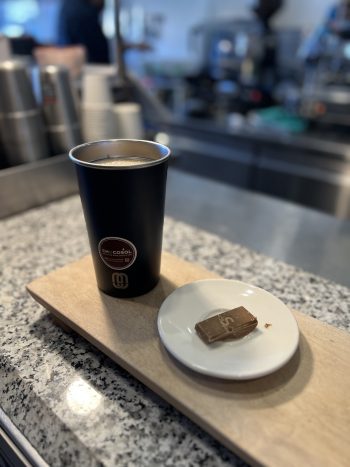
ChocoSol Traders, a Toronto-based chocolate and coffee company, has been reducing its use of disposable cups since 2019 when it partnered with a reusable cup provider. However, some customers were reluctant to create an account and pay a deposit for a reusable cup.
To address these concerns, ChocoSol used the Circular Food Innovators Fund to help fund the launch of a new reusable cup initiative at its St. Clair and St. Lawrence Market locations. The new program used a rewards-based model, rather than a deposit-based model, with no sign-up requirement. Over the course of the year, ChocoSol increased their reusable cup inventory from 100 cups to 680 cups, and the number of customers choosing the reusable option increased from 100 cups per month in 2024 to nearly 300 reusable cups per month in May 2025. Every time a customer chose a reusable cup, they avoided sending a disposable cup to landfill.
ChocoSol’s approach of starting small and pivoting based on customer feedback demonstrates how reuse can be scaled effectively. Through collaboration and thoughtful design, even a simple reusable cup can spark meaningful change.
Total Funding Awarded: $23,400
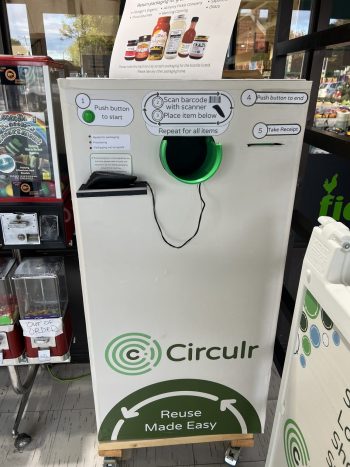
Every day, thousands of disposable cups are tossed out at events across Toronto, creating significant landfill impacts. Circulr, a local reuse company that got its start by creating a reuse platform for producers in grocery stores, is expanding their business to include providing reusable cups at stadiums, theatres, festivals and community events.
With support from a Circular Food Innovators Fund grant, Circulr hired a co-op student to conduct market research and connect with over 700 event organizers citywide. There has been a high level of interest in the program from small event spaces eager to use branded reusable cups as a marketing opportunity for repeat events.
To make cup returns easier, Circulr also used the grant to upgrade their reverse vending machine technology. Their new smart return receptacle is ready to roll out, so keep an eye out for Circulr’s reusable cups at events near you.
Total Funding Awarded: $30,000

In 2023, Evergreen conducted a waste audit at their Saturday Farmers Market and found that most of the trash from the market came from single-use food packaging and disposable cups from food and drinks being consumed at the market.
To address this, Evergreen launched the Reusable Dishware Pilot using Circular Food Innovators Fund grant funding. The program offers reusable plates, bowls, cups and cutlery at no cost to customers, year-round at the market.
Over the past year, the pilot has grown into a key part of Evergreen’s operations. Reusables now replace disposables not only at the market but also at some of the organization’s biggest events.
Participation continues to rise, and the program is now a core part of the Farmers Market experience. Thanks to staff and volunteer training, equipment upgrades and outreach efforts, Evergreen has cut event waste by 50 per cent, replacing more than 207,000 single-use items with reusable alternatives. That’s the equivalent of keeping 7,700 pounds of waste out of landfill (and counting).
The reuse system is now fully integrated into weekly operations and the program has attracted attention from other organizations and events looking to implement similar systems, showing growing interest in circular waste solutions across the city.
Total Funding Awarded: $28,670
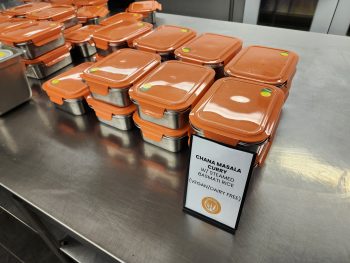
Feed Scarborough runs four food banks, including a virtual food bank, Healthy Meal Program, and personal and professional development programs to support community resilience. In 2024, they launched Food Hall TO, a food court incubator that helps newcomers and youth gain hands-on experience in food entrepreneurship.
To reduce waste and support the United Nations Sustainable Development Goals, Food Hall TO used a Circular Food Innovators Fund grant to introduce reusable containers for takeout orders. They started small, tested the system, and built trust with customers and vendors through clear communication and strong community partnerships. They also expanded the reuse system to their catering services, giving more organizations access to sustainable food service options.
The program is now using over 900 reusable containers per month. Over the course of the year, over 10,000 single-use containers avoided landfill, proving that small changes can have a big impact.
Total Funding Awarded: $35,000

Takeout is a common meal option for busy office workers, with most food being served in single-use containers. Inwit is changing that.
Their zero-waste takeout platform for sustainable corporate catering offers curated meals from multiple restaurants, delivered in insulated reusable containers by cargo bikes. They also provide impact reports for every order.
To keep up with growing demand, Inwit used a Circular Food Innovators Fund grant to upgrade their logistics and order management systems. Their new automated platform, integrated with the inwit.app, reduced Inwit’s processing time from three hours to under 20 minutes making zero-waste ordering as fast and easy as traditional delivery.
Over the course of a year, Inwit grew their business clients by 65 per cent, saved 3.5 tonnes of CO₂, and prevented the use of over 11,500 single-use items. They also source over 60 per cent of their goods and services locally, supporting the Canadian economy. Inwit is proving that sustainability and convenience can go hand in hand.
Total Funding Awarded: $34,600
Scadding Court Community Centre is a multi-service organization supporting underserved, culturally diverse communities. It is home to Market 707, one of Toronto’s most unique street food and retail markets that helps newcomers, youth and low-income racialized entrepreneurs access affordable retail space.
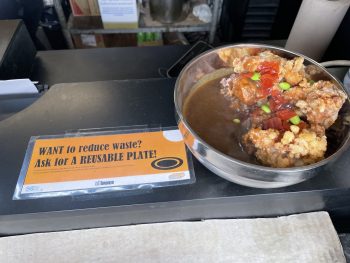
Single-use containers from Market 707 vendors were piling up, so Scadding Court built a reuse system from scratch with their Circular Food Innovators Fund grant. Working closely with vendors, they found reusable containers that fit each cuisine on offer. Through ongoing communication and feedback, they created a reuse system that works for vendors and customers.
What started at Market 707 has grown into a centre-wide zero-waste movement at Scadding Court Community Centre. The program now eliminates the use of approximately 175 single-use containers every month, reducing litter, cutting vendor costs and helping to build a strong sense of community.
Vendors now share tips, mentor newcomers and proudly support the reuse system, turning Market 707 into a hub for sustainability and collaboration.
Total Funding Awarded: $35,000

Launched by Canada’s Clean50 Emerging Leader as a proof-of-concept pilot in October 2020, Suppli has built a technology platform to manage circular packaging for online ordering platforms, starting with reusable containers for food delivery.
With the Circular Food Innovators Fund grant funding, Suppli was able to improve their operations, container return process and promotional strategy, helping them grow their client base by 40 per cent and expand across Toronto. Through targeted campaigns and collaborations with Toronto influencers, they diversified their client list to include larger corporate catering clients and initiated a partnership working with one of the largest catering providers to film and television productions in Ontario.
The funding also helped Suppli shift focus from individual takeout to high-volume Business-to-Business catering, which offers faster container returns and lower loss rates. Over the year, they avoided the use of 36,000 disposable containers while saving restaurants money on packaging. Many of Suppli’s partner restaurants are women- or minority-owned, and the company keeps its entire supply chain within Canada, supporting the local economy.
Total Funding Awarded: $12,925
Food festivals and summer go hand and hand in Toronto, but these events can generate a lot of waste in a short period of time.
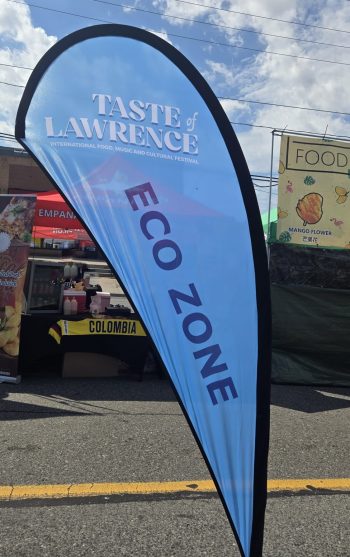
The Taste of Lawrence, the largest street festival in Scarborough with an estimated 300,000 attendees annually, was looking to reduce waste from food and beverage vendors. To celebrate its 20th anniversary in 2024, the Wexford Heights Business Improvement Area (BIA) used a Circular Food Innovators Fund grant to partner with Friendlier, an organization that eliminates single-use food and beverage packaging by using reusable containers. The initiative aimed to make the festival one of Toronto’s first to adopt a circular food system.
Through the creation of the Friendlier Eco-Zone, vendors received reduced booth fees and increased social media promotion if they opted to take part and offer their food and drinks in reusable dishware and cups. Over the three-day event, more than 2,000 attendees used reusable cups and dishes with a small refundable deposit.
The BIA hopes to bring the initiative back in future years, building on lessons learned and working with local environmental groups to improve and expand the program and show how communities can lead the way in environmental responsibility.
Total Funding Awarded: $34,626
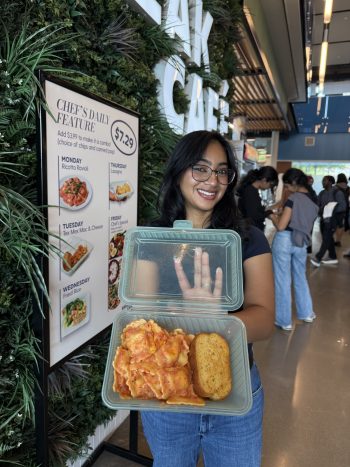
York University is accelerating its sustainability efforts with a goal to reach net-zero emissions by 2040. In January 2025, the York University Student Centre launched the Reduce, Reuse, Repurpose project with funding support of the Circular Food Innovators Fund, introducing a reusable food container system at the Break Café to cut down on single-use waste across the Keele campus.
With a growing awareness of the environmental impact of disposable packaging, the initiative is focused on making sustainable choices as convenient as possible. York University students are able to access reusable containers at the Break Café for no additional cost, embedding sustainability into everyday, climate-friendly choices to reduce emissions.
The project is a collaborative effort with zero-waste experts guiding the rollout, researchers tracking progress, and students, staff and faculty promoting the program on campus to raise awareness and engagement.
The program got off to a great start in early 2025 and the York University Student Centre is excited to refine it based on user feedback and see it grow in the second half of 2025. The goal is to replace 250 single-use containers per day and expand the system to all three York campuses across the Greater Toronto Area.
The City considered funding requests for:
Funding provided by the City of Toronto was one-time, project-specific and was not considered an annual source of funding by the applicant.
The City did not guarantee that the total amount requested by a successful applicant was granted. The decision to fund all or part of an applicant’s proposed project(s) depended on its alignment with the City’s strategic priorities, assessment criteria and overall demand for funds, among other considerations.
Before receiving any funds, successful grant recipients were required to sign a Fund Agreement with the City:
Recipients were awarded 50 per cent of the total grant value following the submission of a signed Fund Agreement with the City at the outset of the CFIF Project (and Green Workforce Project, if applicable). The final 50 per cent of the grant funds was disbursed at the conclusion of the CFIF Project (and Green Workforce Project, if applicable) when a final report (including receipts for expenditures) was submitted and accepted as complete by the City.
Each successful grant recipient will be required to submit an interim and a final report using the templates provided. Recipients must submit receipts and/or other financial documentation with their reports to verify money spent on eligible costs in order to receive their grant payment from the City of Toronto.
For recipients of CFIF Project funding only:
For recipients of both CFIF Project and Green Workforce Project funding:
Reports will be used to document progress that the recipient has made on their project(s) with the funds provided, including any lessons learned. Where possible, lessons learned will be shared with relevant stakeholders, including other grant recipients. Grant recipients will also be required to track and report on certain metrics to demonstrate the impact of the funded project(s).
A reuse system can be operated by a service provider or a business selling food or beverages for delivery or takeaway consumption. In this business model, reusable foodservice ware is collected, cleaned and redistributed back for reuse by the business.
Reusable foodservice ware includes plates, bowls, cups, trays, glasses, straws, stirrers, condiment cups and utensils that are made of durable materials to stand up to frequent washing and reuse.
A reuse system may include not only the reusable foodservice ware itself, but also the infrastructure, such as collection bins and cleaning facilities, and support technology, such as mobile applications to coordinate reverse logistics of reusable foodservice ware or barcode tracking systems for the reusable foodservice ware.
Green workforce development refers to activities that build worker skills, develop training resources and strengthen employment pathways needed to support Toronto’s green and circular food economy.
This includes efforts that help train staff to adapt to reuse systems and initiatives that enable circular innovators to design and scale training programs, curricula or workforce collaborations for broader green and circular food sector benefits.
These green workforce development activities must build skills or employment pathways for Toronto residents related to reuse systems or sustainable practices in Toronto’s food and beverage sector at large and do not need to be explicitly tied to the delivery of the proposed CFIF Project.