

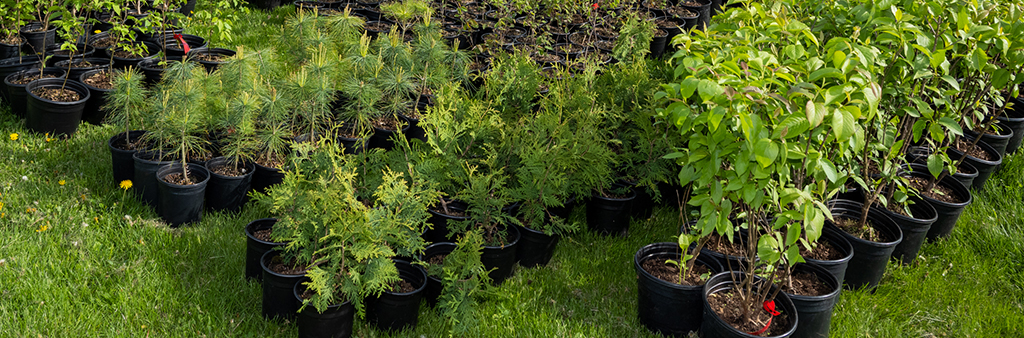
The City offers several grants and incentive programs which encourage tree and shrub planting on private property. These programs support partnerships and collaboration with homeowners, landowners and not-for-profit organizations that advance the City’s strategic priorities to invest in people and neighbourhoods, tackle climate change and build resilience. As more than half of Toronto’s land is privately owned, residents and communities play an important role in reaching the City’s 40 per cent canopy cover goal.
The Toronto Free Tree Program (formerly the Community Canopy Program) provides Toronto residents with free native trees and shrubs for their properties through City-run giveaways.
Trees and shrubs from the Toronto Free Tree Program must be planted on privately-owned land such as your front, side or back yard, within the City of Toronto. Please note that a portion of the front or side lawn may be owned by the City as part of the road allowance and is not eligible for this program.
Toronto residents can register for the program and select up to two trees or shrubs per household each spring and fall. The trees and shrubs come in 1 or 2-gallon pots and range from 1 to 4 feet in height.
The pickup locations for the Toronto Free Tree Program change each season and are distributed throughout the City to ensure equitable access to the program. Preregistration is required. Register for one of the spring Tree and Shrub Pickup Dates below.
Arrowwood (Viburnum dentatum)
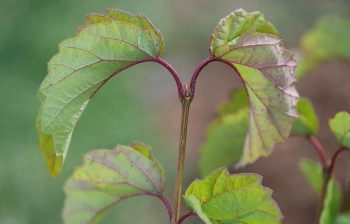
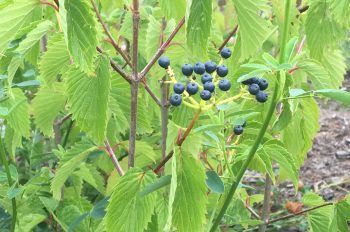
Fragrant Sumac (Rhus aromatica)
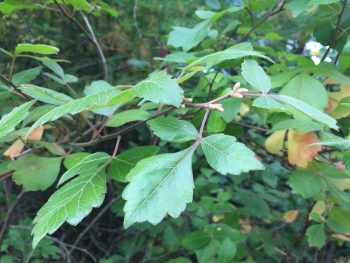
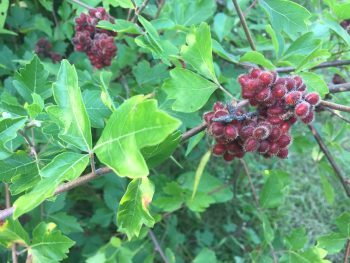
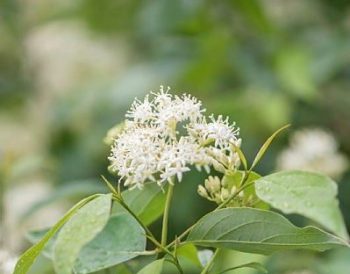
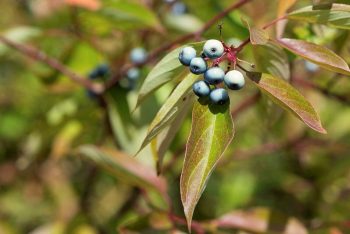
Grey Dogwood (Cornus racemosa)
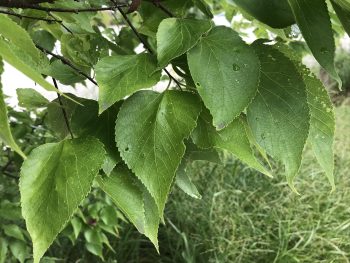
Hackberry (Celtis occidentalis)
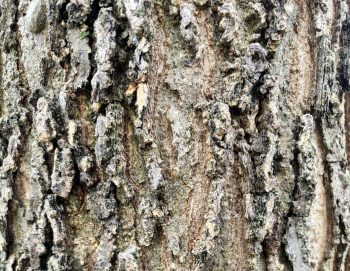
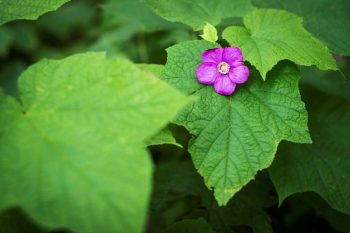
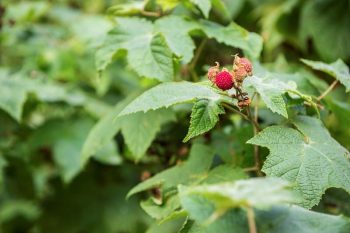
Serviceberry (Amelanchier canadensis)
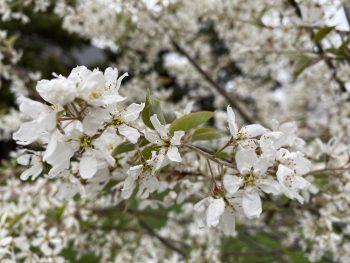
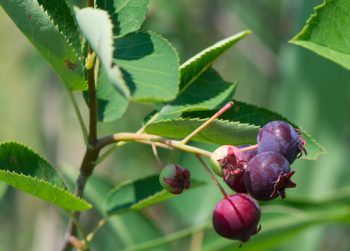
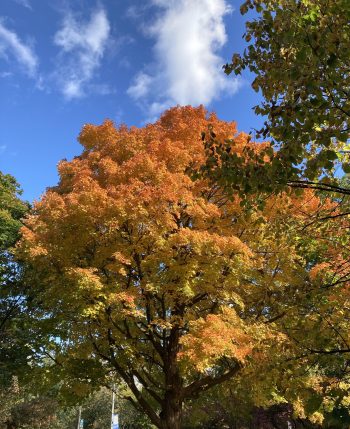
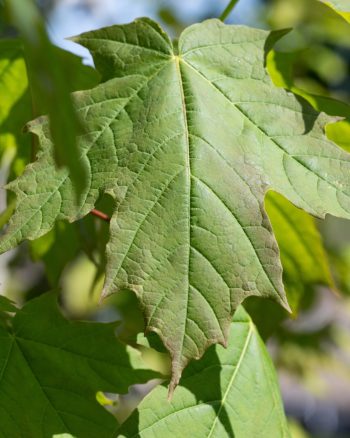
Sugar Maple (Acer saccharum)
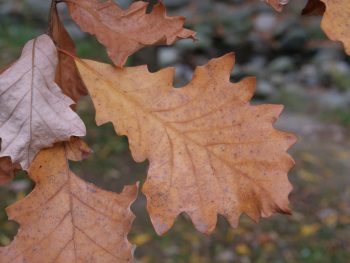
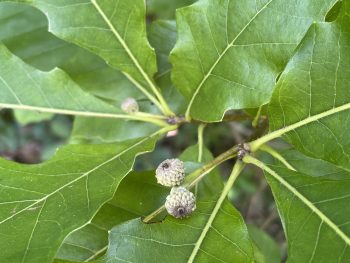
Swamp White Oak (Quercus bicolor)
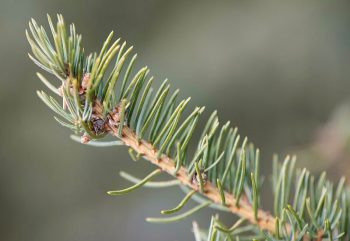
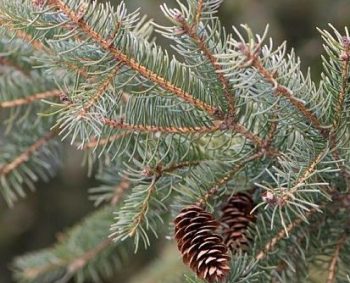
White Spruce (Picea glauca)
• Mature Height: 40+ feet
• Mature Width: 10+ feet
• Light Requirements: Full Sun, Part Shade
• Soil Preference: Moist, well-drained soil.
• Growth Rate: Slow
• Features of Interest: Spruces retain their needles year-round, providing privacy, wind breaks and sound buffers.
• Wildlife Benefits: Provides year-round food and shelter for birds and other wildlife.
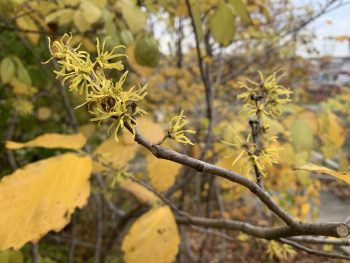
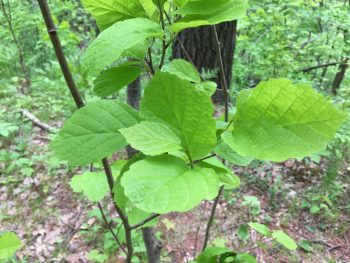
Witch Hazel (Hamamelis virginiana)
The Neighbourhood Planting Program supports eligible community-based not-for-profit groups to host a tree and shrub giveaway or planting event in their neighbourhood. All trees and shrubs must be planted on private property within the City of Toronto.
There are two application periods for this program: one in January for spring events and one in June for fall events.
The program provides free native trees and shrubs, and free educational materials. Eligible groups can also apply for financial assistance to purchase materials to help run their event and promote the survival of the new plants.
Each season, a variety of native trees and shrubs will be provided by the City. Successful applicants will submit order for species and quantities. The City will deliver the requested plant material to your event.
The trees and shrubs will come in 1- or 2-gallon pots and range from 1 to 4 feet in height.
There are two application periods for the Neighbourhood Planting Program in January for spring events and June for fall events. Subscribe to our mailing list below to be notified of application dates.
Applications for spring 2026 events are now closed. Applications to host a fall 2026 event are currently open and will close on July 9.
Please see Neighbourhood Planting Program for eligibility requirements and information on how to apply.
Applications must be submitted through the Toronto Grants, Rebates and Incentives Portal.
Our spring events have ended. Thank you to all who participated. Please check back here for fall event updates or sign up for our mailing list to be notified.
Under the Urban Forestry Community Grants, the two funding streams available are the:
These grants support tree planting and stewardship projects carried out by eligible not-for-profit organizations, charities and institutions on private land within the City of Toronto.
Application assessment considerations may include a project’s ability to increase canopy cover, build community connections, increase equitable access to green infrastructure and environmental impact.
Applications for the 2026 Community Grants are open until August 13. Please see Urban Forestry Community Grants for eligibility requirements and information on how to apply.
Applications must be submitted through the Toronto Grants, Rebates and Incentives Portal.
The City has partnered with Local Enhancement and Appreciation of Forests (LEAF) to offer tree planting services on private property to Toronto residents at a subsidized cost.
LEAF offers either a full-service planting option or a do-it-yourself planting option.
Under the full-service option, you will receive an in-person site consultation with a LEAF arborist, delivery, planting, and mulching of your new tree and ongoing support and educational material from LEAF. The full-service option costs range from $160 to $230 per tree (+HST).
If you are interested in planting the tree yourself, you will receive a virtual consultation with a LEAF arborist, delivery of your new tree and mulch, as well as ongoing support and educational materials from LEAF. The do-it-yourself option costs range from $110 to $180 per tree (+HST).
The trees sizes range from 5- to 8-foot-tall native deciduous trees or 2- to 4-foot-tall native evergreen trees.
From 2017 to 2025, the Urban Forestry Grants and Incentives Program has invested and leveraged over $25.4 million and funded 247 projects across all 25 wards in Toronto. Together, with the help of our partners, we have been able to plant over 128,000 trees and shrubs on private land and engage over 326,000 people. The impact reports listed below highlight our achievements in increasing canopy cover on private land and showcase the successes of our community partnerships and collaborations.
While we aim to provide fully accessible content, there is no text alternative available for some of the content on this site. If you require alternate formats or need assistance understanding our maps, drawings or any other content, please email forestrygrants@toronto.ca.
See two versions of the 2024 Urban Forestry Grants and Incentives Impact Report:
See two previous versions of the 2020 Urban Forestry Grants and Incentives Impact Report:
Environment, Climate and Forestry collects personal information under the legal authority of Toronto City Council Item 2025.IE21.5, as confirmed by the City of Toronto By-law 490-2025. The information will be used to send content/updates related to the Urban Forestry Grants and Incentives Program. Questions about this collection can be directed to the Supervisor, Strategic Tree Planting Projects, 18 Dyas Road, 4th Floor, Toronto, Ontario, M3B 1V5 or by telephone at (416) 392-4401.