Registration for the Toronto Free Tree Program opens on April 7, 2026 while supplies last.


The City offers several grants and incentive programs which encourage tree and shrub planting on private property. These programs support partnerships and collaboration with homeowners, landowners and not-for-profit organizations that advance the City’s strategic priorities to invest in people and neighbourhoods, tackle climate change and build resilience. As more than half of Toronto’s land is privately owned, residents and communities play an important role in reaching the City’s 40 per cent canopy cover goal.

About the Program

The Toronto Free Tree Program (formerly the Community Canopy Program) provides Toronto residents with free native trees and shrubs for their properties through City-run giveaways.

Trees and shrubs from the Toronto Free Tree Program must be planted on privately-owned land such as your front, side or back yard, within the City of Toronto. Please note that a portion of the front or side lawn may be owned by the City as part of the road allowance and is not eligible for this program.

What Residents Receive

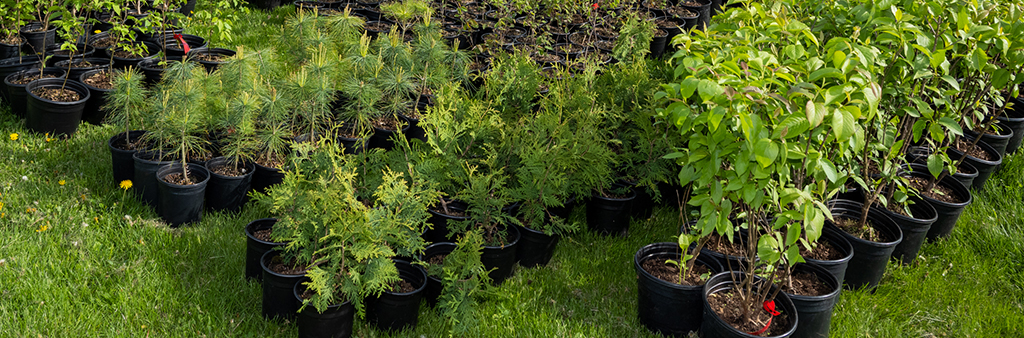
Toronto residents can register for the program and select up to two trees or shrubs per household each spring and fall. The trees and shrubs come in 1 or 2-gallon pots and range from 1 to 4 feet in height.

Additional Information

The pickup locations for the Toronto Free Tree Program change each season and are distributed throughout the City to ensure equitable access to the program. Preregistration is required. Register for one of the spring Tree and Shrub Pickup Dates below starting April 7, 2026.

Species Available Spring 2026

Arrowwood (Viburnum dentatum)

  • Mature Height: 6-10 feet
  • Mature Width: 6-12 feet
  • Light Requirements: Full Sun, Part Shade
  • Soil Preference: Moist, well-drained
  • Growth Rate: Moderate
  • Features of Interest: Clusters of small white flowers in late spring or early summer. Vibrant red fall colour.
  • Wildlife Benefits: Flowers and dark purple berries attract a variety of pollinators, birds, and small mammals.
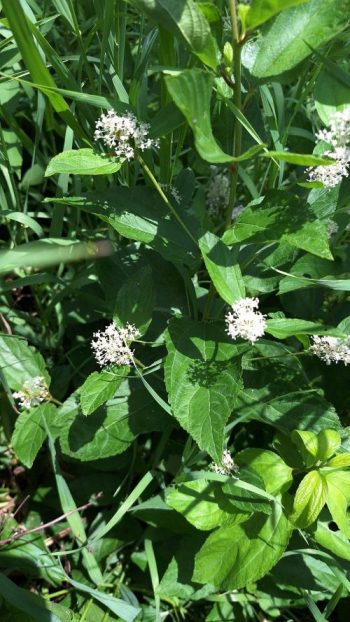
Green foliage with a blurred background
Arrowwood leaves
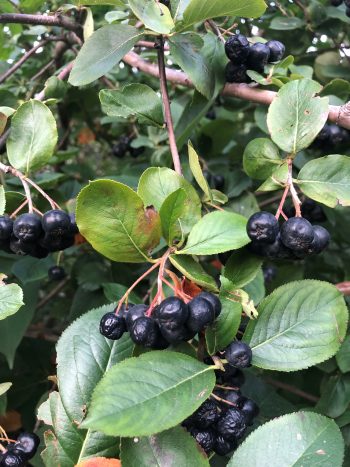
Shrub with fruit
Arrowwood berries

Fragrant Sumac (Rhus aromatica)

  • Mature Height: 2-5 feet
  • Mature Width: 5-10 feet
  • Light Requirements: Full Sun, Part Shade
  • Soil Preference: Dry to moist, well-drained soils. Tolerant of poor soils, occasional drought, and salt.
  • Growth Rate: Moderate
  • Features of Interest: Leaves turn a vibrant red colour in the fall. Leaves have a pleasant citrus scent when crushed.
  • Wildlife Benefits: Female plants produce fuzzy red fruit cluster in fall which are enjoyed by robins, sparrows, chickadees, and goldfinches.
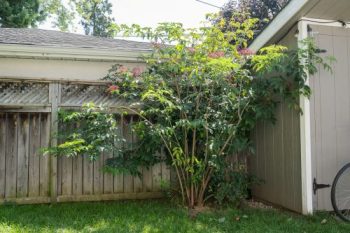
Green shrub foliage
Fragrant Sumac leaves
Shrub foliage with berries
Fragrant Sumac fruit

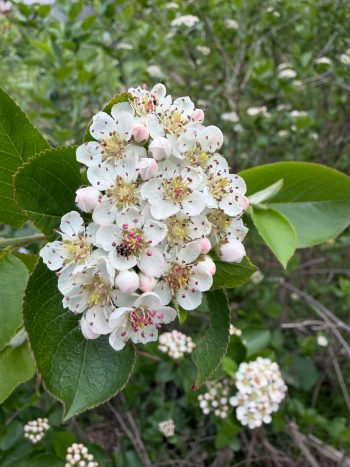
Grey Dogwood (Cornus racemosa)

  • Mature Height: 10-15 feet
  • Mature Width: 10-15 feet
  • Light Requirements: Full Sun, Part Shade, Full Shade
  • Soil Preference: Dry to wet soils.
  • Growth Rate: Slow
  • Features of Interest: Clusters of small white flowers bloom in summer.
  • Wildlife benefits: Blue-white berries often persist on the plant into winter and provide a food source for a variety of birds.
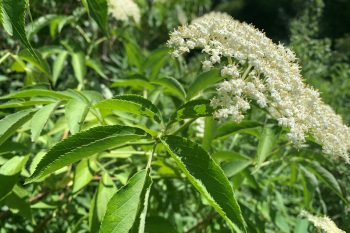
Shrub leaves with white flowers
Grey Dogwood flower clusters


Shrub foliage with fruit
Grey Dogwood blue-white berries

Hackberry (Celtis occidentalis)

  • Mature Height: 40+ feet
  • Mature Width: 40+ feet
  • Light Requirements: Full Sun, Part Shade
  • Soil Preference: Moist, well-drained soil. Tolerant of drought and a range of soil conditions.
  • Growth Rate: Fast
  • Features of Interest: Mature bark develops unique corky ridges.
  • Wildlife Benefits: Edible berries ripen in late summer and often persist throughout winter, attracting a variety of birds and small mammals. Larval host plant for several species of butterfly including mourning cloak, hackberry emperor and tawny emperor butterflies.
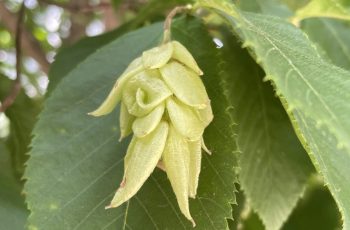
Deciduous tree foliage showing green leaves
Hackberry leaves
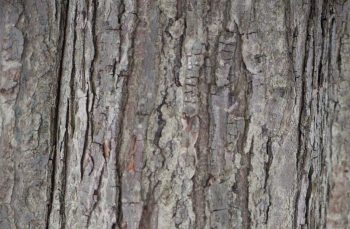
Bark of a deciduous tree with corky ridges
Hackberry bark


Purple Flowering Raspberry (Rubus odoratus)
  • Mature Height: 3-6 feet
  • Mature Width: 6-10 feet
  • Light Requirements: Full Sun, Part Shade
  • Soil Preference: Dry to moist, well-drained soils. Tolerant of a range of soil conditions.
  • Growth Rate: Fast
  • Features of Interest: Showy purple flowers bloom in late spring, followed by edible berries in late summer.
  • Wildlife Benefits: Colourful blooms attract pollinators and the fruit is popular amongst many birds and small mammals.
Shrub with green leaves and a purple flower
Purple Flowering Raspberry purple bloom
Shrub foliage showing green leaves and a red berry
Purple Flowering Raspberry fruit

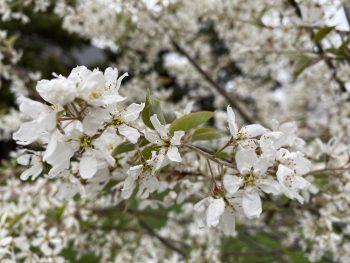
Serviceberry (Amelanchier canadensis)
  • Mature Height: 10-20 feet
  • Mature Width: 10+ feet
  • Light Requirements: Full Sun, Part Shade, Full Shade
  • Soil Preference: Wet to moist, well-drained soil.
  • Growth Rate: Moderate
  • Features of Interest: Showy white flowers in spring, edible reddish-purple berries in summer, and vibrant orange-red fall colour.
  • Wildlife Benefits: Berries are popular amongst fruit-eating birds and mammals. Early spring blooms support pollinators.
Shrub showing white flowers in spring
Serviceberry bloom
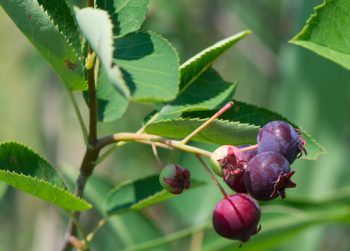
Green shrub showing leaves and berries
Serviceberry fruit

Sugar Maple (Acer saccharum)

  • Mature Height: 60+ feet
  • Mature Width: 40+ feet
  • Light Requirements: Full Sun, Part Shade, Shade
  • Soil Preference: Moist, well-drained soil.
  • Growth Rate: Moderate
  • Features of Interest: Brilliant fall colour ranges from yellow to orange to red.
  • Wildlife Benefits: Supports a variety of pollinators and other wildlife, including the endangered Cerulean warbler and Acadian flycatcher birds. Larval host plant for the Imperial moth.
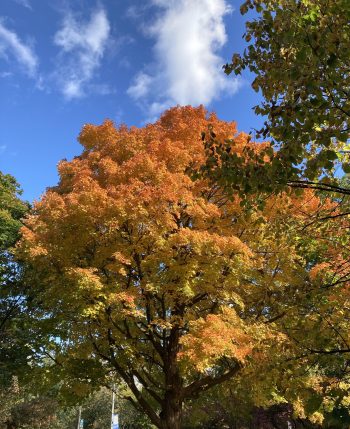
Tree showing orange fall foliage with a blue sky in background
Sugar Maple fall foilage
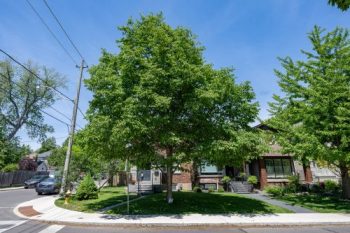
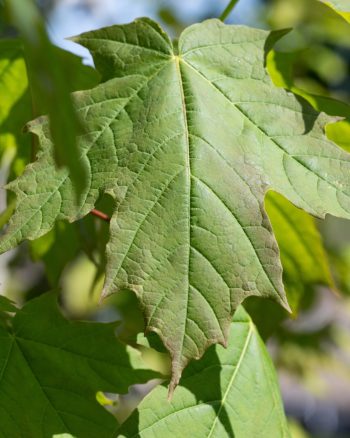
Tree with deciduous green leaves
Sugar Maple leaves

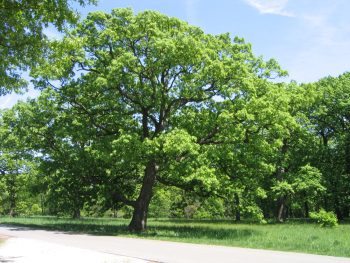
Swamp White Oak (Quercus bicolor)

  • Mature Height: 50+ feet
  • Mature Width: 50+ feet
  • Light Requirements: Full Sun
  • Soil Preference: Moist, well-drained soil. Tolerant of urban conditions.
  • Growth Rate: Moderate
  • Features of Interest: Leaves are dark green with silvery-white undersides. Leaves turn golden or bronze in fall and can persist on the tree throughout winter.
  • Wildlife Benefits: Supports a variety of pollinators and other wildlife. Acorns are a food source for small mammals and some bird species.
Deciduous tree with fall leaves
Swamp White Oak bronze leaf in fall
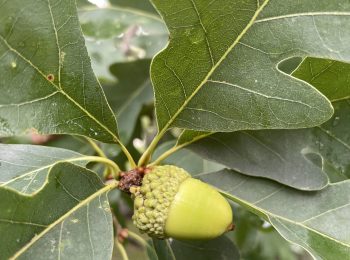
Deciduous tree showing leaves and tiny acorns
Swamp White Oak acorns

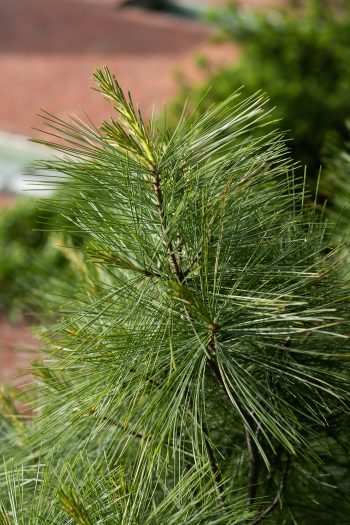
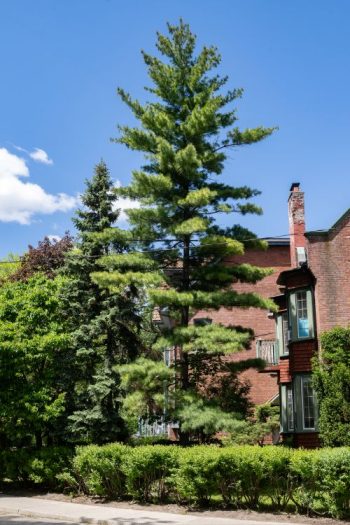
White Spruce (Picea glauca)
Mature Height: 40+ feet
Mature Width: 10+ feet
Light Requirements: Full Sun, Part Shade
Soil Preference: Moist, well-drained soil.
Growth Rate: Slow
Features of Interest: Spruces retain their needles year-round, providing privacy, wind breaks and sound buffers.
Wildlife Benefits: Provides year-round food and shelter for birds and other wildlife.

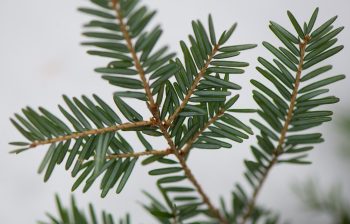
Up close view of pine needles
White Spruce needles
Coniferous tree showing needles and acorns
White Spruce cones

Witch Hazel (Hamamelis virginiana)

  • Mature Height: 15-25 feet
  • Mature Width: 15-20 feet
  • Light Requirements: Full Sun, Part Shade, Full Shade
  • Soil Preference: Moist, well-drained soils.
  • Growth Rate: Moderate
  • Features of Interest: Yellow flowers with long thin petals bloom in late fall after many other plants are finished blooming.
  • Wildlife Benefits: Fall blooms provide a late-season food source for pollinators. Birds and small mammals eat the seeds.
A shrub with thin yellow flowers and yellow leaves
Witch Hazel yellow flowers
Shrub with green leaves in a forest
Witch Hazel leaves

About the Program

The Neighbourhood Planting Program supports eligible community-based not-for-profit groups to host a tree giveaway or planting event in their neighbourhood. Eligible groups can apply to host either a free tree and shrub giveaway or a planting event. All trees and shrubs are to be planted on private property within the City of Toronto

Applicants are responsible for pre-registering participants for a tree giveaway event.

Events must take place between April to June 2026.

What Residents Receive

The program provides free native trees and shrubs and free educational materials. Groups can also apply for financial assistance to purchase materials to help run their event and promote the survival of the new plants.

Each season, a variety of native trees and shrubs will be provided by the City. Successful applicants will submit order for species and quantities. The City will deliver the requested plant material to your event.

The trees and shrubs will come in 1- or 2-gallon pots and range from 1 to 4 feet in height.

Application Information

Please read the Neighbourhood Planting Program Spring 2026 Guidelines before applying.

The application period for spring events has ended, please check back here for updates on the fall application period.

See the list of available events this spring below. Check back here for registration information on April 7.

Event Date and Time Location
Toronto Free Tree Program: Earth Day Wednesday, April 22

10 a.m. to Noon

McCowan District Park 150 McCowan Rd., Scarborough, ON M1M 2A4
Toronto Free Tree Program Saturday, May 2

10 a.m. to 1 p.m.

Withrow Park 725 Logan Ave., Toronto, ON, M4K 3B9
Toronto Free Tree Program Wednesday, May 6

4 to 7 p.m.

Maple Leaf Park 320 Culford Rd., North York, ON M6L 2V7
Spring Bird Festival Saturday, May 23

10 a.m. to 2 p.m

Colonel Samuel Smith Park 3145 Lake Shore Blvd W., Etobicoke.
Toronto Free Tree Program Wednesday, May 27

4 to 7 p.m.

Edithvale Community Centre 131 Finch Ave W., North York, ON M2N 2H8
Toronto Free Tree Program Saturday, May 30

10 a.m. to 1 p.m.

Iroquois Park 295 Charland Blvd. S, Scarborough ON M1S 3P4
Toronto Free Tree Program Saturday, June 6

10 a.m. to 1 p.m.

Driftwood Community Recreation Centre 4401 Jane St., North York, ON M3N 2K3


About the Grants

The Community Grants support tree planting and stewardship projects carried out by eligible not-for-profit organizations, charities and institutions on private land within the City of Toronto.

Application assessment considerations may include a project’s ability to increase canopy cover, build community connections, increase equitable access to green infrastructure and environmental impact.

Application Information

Applications for 2025 are now closed. Please check back here for updates on the 2026 Community Grants opportunities.

Community Planting and Stewardship Grant

The Community Planting and Stewardship Grant supports tree planting and stewardship on private land by not-for-profit and charitable organizations within Toronto.

Download the Community Planting and Stewardship Grant 2025 Guidelines.

Greening Partnership Grant

The Greening Partnership Grant supports partnerships with public school boards, hospitals, colleges, universities and other eligible institutions that will increase canopy cover through tree planting and stewardship on private land.

Download the Greening Partnership Grant 2025 Guidelines.

About the Program

The City has partnered with Local Enhancement and Appreciation of Forests (LEAF) to offer tree planting services on private property to Toronto residents at a subsidized cost.

LEAF offers either a full-service planting option or a do-it-yourself planting option.

What Residents Receive

Under the full-service option, you will receive an in-person site consultation with a LEAF arborist, delivery, planting, and mulching of your new tree and ongoing support and educational material from LEAF. The full-service option costs range from $160 to $230 per tree (+HST).

If you are interested in planting the tree yourself, you will receive a virtual consultation with a LEAF arborist, delivery of your new tree and mulch, as well as ongoing support and educational materials from LEAF. The do-it-yourself option costs range from $110 to $180 per tree (+HST).

The trees sizes range from 5- to 8-foot-tall native deciduous trees or 2- to 4-foot-tall native evergreen trees.

Schedule a Consultation

From 2017 to 2025, the Urban Forestry Grants and Incentives Program has invested and leveraged over $25.4 million and funded 247 projects across all 25 wards in Toronto. Together, with the help of our partners, we have been able to plant over 128,000 trees and shrubs on private land and engage over 326,000 people. The impact reports listed below highlight our achievements in increasing canopy cover on private land and showcase the successes of our community partnerships and collaborations.

While we aim to provide fully accessible content, there is no text alternative available for some of the content on this site. If you require alternate formats or need assistance understanding our maps, drawings or any other content, please email forestrygrants@toronto.ca.

See two versions of the 2024 Urban Forestry Grants and Incentives Impact Report:

See two previous versions of the 2020 Urban Forestry Grants and Incentives Impact Report:

Eleven projects were selected to receive funding in support of tree planting and stewardship on private land in Toronto with work to be completed throughout 2026.

Over 5,700 trees and shrubs will be planted through these projects. They will also engage and educate communities through planting events, educational workshops, citizen science and youth programming.

Green Partnership Grant
Project Name Impact Service Area
Parc Downsview Park Inc: Downsview Park Circuit Path Canopy Phase #2 Downsview Park is continuing to work towards their goal of increasing canopy cover, adding shade, improving park aesthetics, and promoting ecological health by planting large-caliper and smaller potted native trees in main areas of the park. By including local residents and community volunteers in the plantings, Downsview Park will help instill a sense of stewardship and connection to the natural environment.
  • Ward 6 – York Centre
Seneca Polytechnic: Enhancement and Refinement Project 2026 Building on the success of previous Greening Partnership grants, Seneca Polytechnic will be maintaining existing trees and shrubs as well as planting new trees and shrubs at the Newnham Campus. This project will engage FirstPeoples@Seneca, students, and the wider community throughout the creation of this green space.
  • Ward 17 – Don Valley North
Toronto District School Board: Growing TDSB’s Urban Forest Supporting existing tree planting programs, TDSB is continuing to plant native trees on school properties throughout Toronto. TDSB will provide tree care maintenance to improve the survival rate of new and existing trees. This project will increase shade on school properties and increase access to green space for all students across TDSB schools.
  • Citywide
Unity Health Toronto: Providence Healing Forest Unity Health Toronto will be planting trees at their Providence Healthcare site to create a restorative space that supports the physical and mental health of staff, patients, and visitors. This project will increase the urban canopy and local biodiversity while engaging the community through a planting event and educational signage incorporated throughout the new green space.
  • Ward 20 – Scarborough Southwest
University of Toronto Faculty of Architecture, Landscape and Design: Nikibii Dawadinna Giigwag Indigenous Youth Program Nikibii Dawadinna Giigwag (Anishinaabemowin for “Flooded Valley Healing”) is an Indigenous youth program that involves Elder-led teachings, summer employment opportunities, and mentorship in environmental fields. This program engages youth in the realization of Indigenous place-keeping projects including medicine gardens, urban agriculture, ecological restoration, food forests, and seed keeping.
  • Ward 6 – York Centre
  • Ward 11 – University-Rosedale
  • Ward 20 – Scarborough Southwest
  • Ward 25 – Scarborough-Rouge Park


Community Planting and Stewardship Grant
Project Name Impact Service Area
Black Environmental Initiative: Beyond Provision Grounds Beyond Provision Grounds is a youth-led urban greening and environmental education initiative. Black Environmental Initiative will plant native trees and shrubs in areas with low canopy cover while providing hands-on training on planting and stewardship to the community. This project aims to increase canopy cover, build community connections, and increase equitable access to green infrastructure.
  • Ward 7 – Humber River-Black Creek
Local Enhancement and Appreciation of Forests (LEAF): Toronto Community Housing Tree Planting and Stewardship Program LEAF is working with Toronto Community Housing (TCH) to increase canopy cover and biodiversity on TCH properties while fostering a culture of environmental stewardship. TCH tenants and staff are engaged throughout the planning process to select planting sites and tree species. Once planted, TCH tenants are provided with hands-on tree stewardship training and establish tree care teams who will commit to the maintenance of the new trees.
  • Ward 1 – Etobicoke North
  • Ward 2 – Etobicoke Centre
  • Ward 6 – York Centre
  • Ward 13 – Toronto Centre
  • Ward 20 – Scarborough Southwest
Local Enhancement and Appreciation of Forests: Young Urban Forest Leaders Program The Young Urban Forest Leaders Program is a mentorship and training program aimed at providing youth with valuable experience in the fields of arboriculture, urban forestry, and community engagement. Program participants will identify opportunities for tree planting and stewardship in their neighbourhoods and collaborate with local community groups to plan and undertake outreach and engagement activities.
  • Citywide
Long Branch Neighbourhood Association: South Etobicoke Grows to 40 Per Cent Long Branch Neighbourhood Association (LBNA) will identify planting sites in Long Branch and surrounding South Etobicoke communities, distribute free trees and shrubs to residents to plant on private property, and will promote tree health and care through community events and workshops. LBNA will work with residents, students, and volunteers to educate property owners on how they can help enhance the urban forest.
  • Ward 3 – Etobicoke-Lakeshore
Regenesis York: Campus Forestry Student Planting Initiative The Campus Forestry Student Planting Initiative will engage students in the planting and stewardship of native trees and shrubs across York University, Glendon College and University of Toronto Institute for Aerospace Studies campuses. Student volunteers will learn about native species, ecosystem benefits, proper planting techniques, and will contribute towards the ongoing stewardship of the new plantings.
  • Ward 1 – Etobicoke North
  • Ward 7 – Humber River-Black Creek
Toronto and Region Conservation Authority (TRCA): Toronto Tree Cover Project TRCA’s Toronto Tree Cover Project is an ongoing project that focuses on increasing the canopy cover in Toronto by encouraging community members and property owners to plant native trees and shrubs on private land. The TRCA is actively increasing Toronto’s canopy by planting on residential, commercial, industrial, and institutional lands. These programs allow participants to help make their communities greener and learn about urban forests and tree stewardship.
  • Ward 7 – Humber River-Black Creek
  • Ward 13 – Toronto Centre
  • Ward 14 – Toronto-Danforth
  • Ward 18 - Willowdale

Stay Informed

Type (don’t copy and paste) your email into the box below and then click “Subscribe”. You will receive an email with instructions to confirm your request.

 
Subscribe to receive information about private land planting initiatives and opportunities in Toronto, including notifications about program offerings, upcoming events, and other information about tree and shrub planting on private land in the city. You can unsubscribe at any time.

Environment, Climate and Forestry collects personal information under the legal authority of Toronto City Council Item 2025.IE21.5, as confirmed by the City of Toronto By-law 490-2025. The information will be used to send content/updates related to the Urban Forestry Grants and Incentives Program. Questions about this collection can be directed to the Supervisor, Strategic Tree Planting Projects, 18 Dyas Road, 4th Floor, Toronto, Ontario, M3B 1V5 or by telephone at (416) 392-4401.