This month, we celebrate and honour seniors across our city, especially those who live in our long-term care homes. We recognize each person’s unique life, their contributions and the impact they have made in their communities.

Residents in the City’s 10 long-term care homes range in age from 24 to 106 years of age. The care team supports residents to have the best quality of life. They offer a range of programs and activities that are meaningful and engaging, and support residents’ cultural, social, physical, psychological and spiritual needs.

Pride Parade Participation

Group of older adults and volunteers participating in the Pride parade, holding a banner that reads “Celebrate Seniors Toronto Pride.” A city street with vehicles and buildings in the background.

On June 28, residents, their loved ones, staff and volunteers will take part in the annual Pride Parade. Long‑term care homes will also host mini parades and themed events, and raise the Intersex Inclusive Progress flag.

The City has a history of ground-breaking work to improve care, services and quality of life for Two-Spirit, Lesbian, Gay, Bisexual, Transgender, Queer, Intersex and gender- and sexuality-diverse (2SLGBTQI+) residents living in long-term care homes and for Toronto seniors.

FIFA World Cup 2026™ Viewing & Tailgating Parties

Long-term care home residents will gather and watch all the games, especially those hosted in Toronto, on large screens. Viewing and tailgating parties will include music, face painting, food, refreshments and interactive activities such as soccer skills sessions with recreation staff and flag-making crafts. Residents will also dress in jerseys and wear team-branded scarves to show their support and team colours.

National Indigenous Peoples Month

We recognize the rich history, heritage and diversity of Indigenous Peoples in Canada and honour all elders during National Indigenous Peoples Month. Informational material, educational videos and activities such as drumming circles will be included. These will be paired with discussions about the contributions and challenges faced by First Nations, Inuit and Métis peoples in Canada.

Board games, sudoku, crosswords, puzzles, dominoes, mahjong, card games and of course, bingo! From simple to complex, for individual and groups, residents participate in different games tailored for all abilities, helping them to maintain and improve cognitive function and foster social connection.

Four people sitting around a table in a shared room, playing dominoes together, with two participants wearing face masks and one using a wheelchair, and cabinets and equipment visible in the background.

Gardening programs help residents stay connected to nature. Residents can access indoor plants, terrariums, outdoor flowers and shrubs, and can grow vegetables in raised planter beds. Whether residents are new or experienced gardeners, this encourages hands‑on participation and time outdoors.

Plants also improve shared spaces and support mental and physical well‑being. They help reduce stress and anxiety, improve mood and create healthier environments.

Two older adults and one younger participant gathered outdoors around a large planter, tending to colourful flowers, with one participant seated in a wheelchair and trees and greenery in the background.

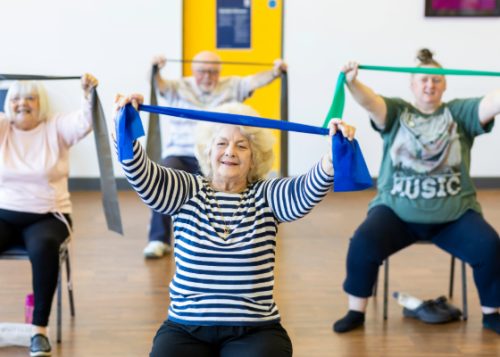
Tiered exercise programs help residents build strength, balance and heart health. Exercises are adjusted to match each resident’s abilities and wellness goals. These programs help residents stay active, improve mobility and flexibility, and allow them to connect with others.

Older adult using a stationary exercise bike during a physical therapy session, while a staff member wearing an ID badge stands nearby providing support; “Physical Therapy” poster and bulletin board visible in the background.

Intergenerational Programs, including supervised day care and school visits with residents, provide cognitive stimulation and enhanced emotional well-being for seniors. It also supports the social-emotional development of children by introducing them to “grand-friends.” Shared activities include music and movement, gardening, arts and crafts, storytelling and cultural events.

Four City long-term care home locations, Bendale Acres, Kipling Acres, Lakeshore Lodge and Seven Oaks, have on-site early learning and child care centres.

Children participate in arts and crafts as part of Intergenerational programming with seniors.

Trained therapy animals visit residents to provide comfort, especially for those living with dementia, and help everyone feel more connected. These visits can support social interaction and improve mood. Some residents also enjoy robotic pets, which offer gentle movement and sounds. These lifelike cat and dog companions can provide comfort and companionship at any time.

Residents gathered in a common area interacting with a therapy dog lying on the floor, while staff provide support nearby.

Music and art programs offer the opportunity for creative expression. They also support and benefit a resident’s overall well-being. Art activities support brain stimulation and cognitive function and can lead to learning new skills. Music can positively impact mood, produce reminiscent discussions and create social connections. These programs can benefit each unique resident at varying cognitive and levels of function.

A resident wearing a blue and black sweater plays an instrument.

CRDL (pronounced “cradle”) is a wooden instrument which allows people with physical or cognitive impairments to connect with their loved ones and caregivers. Through touch and sound, CRDL transforms the human body into a musical instrument from the moment both users lay their hand on CRDL, their touch is translated into sounds which has been found to reduce anxiety, isolation, and loneliness, and deepen connections creating a safe space for communication, connection, and emotional expression.

Small group of residents seated by a large window participating in a guided sensory activity, with a staff member supporting interaction using a handheld wooden device.

Doll Therapy is a non-pharmacological intervention for residents with moderate-to-severe dementia. The use of realistic baby dolls can reduce anxiety, agitation and aggression. In addition to promoting engagement, it gives a familiar sense of purpose and nurturing that can improve quality of life.

Older adult holding a lifelike baby doll beside a crib in a room decorated with child-themed wall art.

Java Music Club is a peer support group and activity program for residents who may face social isolation. The program uses different themes with matching music, photos and readings to support group engagement and interaction. A traditional Talking Stick is used in the activity to honour each participant remembering that each of us possesses wisdom and courage as well as reminding us to listen closely while others are sharing.

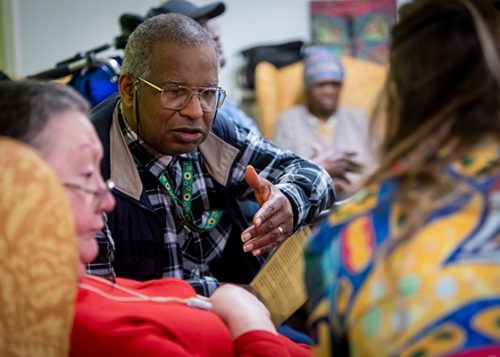
Residents seated around a table reading song sheets during a group music activity, with staff support and refreshments on the table.

Snoezelen is a multi-sensory environment therapy using controlled lighting, sounds, scents, and textures to calm and relax individuals who may be living with dementia. Snoezelen rooms are safe spaces and part of a non-pharmacological approach to provide sensory exploration and foster engagement, particularly when managing sundowning symptoms, anxiety and responsive behaviours.

Older adult seated in a chair holding a glowing, multicoloured sensory tube, seated in a dimly lit room.

Date modified: June 3, 2026