

Starting January 1, 2026, for residential recycling inquiries including missed collection and blue bin service requests, please visit the Circular Materials website or call 1-888-921-2686.
Beginning January 1, 2026, the City will no longer be responsible for collecting residential recycling. A new recycling service provider, Circular Materials, will be responsible for recycling collection and related services.
As required by provincial regulation (O. Reg. 391/21 – Blue Box), producers of blue box materials are fully financially and operationally responsible for providing recycling services to residential locations, eligible multi-residential buildings, schools, long-term care facilities and retirement homes.
The City will still be responsible for collecting and managing recycling from its commercial customers; City Divisions and Agencies; Charities, Institutions and Religious Organizations.
As part of the changes to the Blue Bin program, a sticker has been applied to Blue Bins at all residential properties. Learn more about Blue Bin stickering.
In 2021, the Province of Ontario finalized the regulation to transition Ontario’s Blue Box Program to full Extended Producer Responsibility (EPR). Toronto’s Blue Bin recycling program transitioned to EPR as of July 1, 2023.
EPR makes producers fully accountable for the management of paper products, packaging and packaging-like products that they put into the Ontario marketplace and shifts the operational and financial responsibilities of recycling away from municipalities.
The benefits of EPR include:
Beginning January 1, 2026, there will be changes to the materials accepted in the new Blue Bin recycling program. For more information, visit Circular Materials.
The following items are accepted in City-run Blue Bins for eligible businesses (commercial customers); City Divisions and Agencies; Charities, Institutions and Religious Organizations.
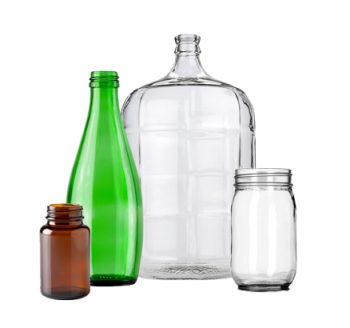
Note: All compostable plastic goes in the garbage.
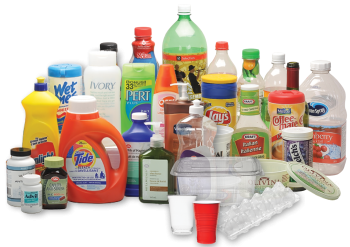
Note: Remove product before recycling.
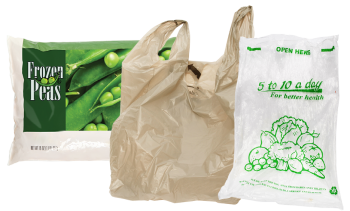
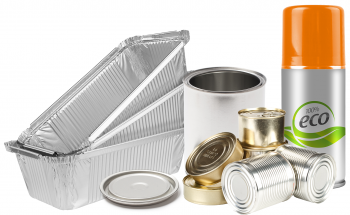
*Place pieces smaller than a business card in envelope or add to bag of shredded paper.
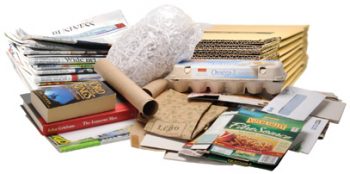
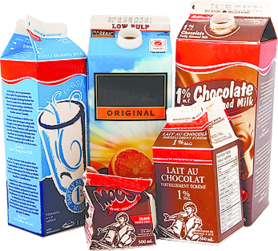
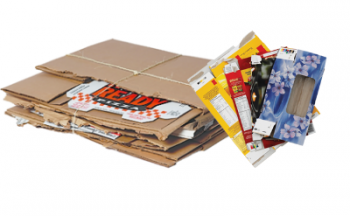
Note: Food/drink packaging must be empty and rinsed (otherwise, place in garbage).
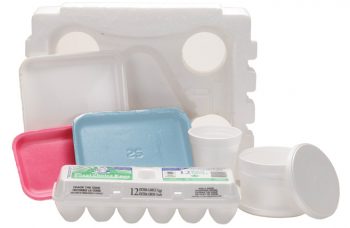
Beginning January 1, 2026, there will be changes to the materials accepted in the new Blue Bin recycling program. For more information, visit Circular Materials.
The following items are not accepted in City-run Blue Bins for eligible businesses (commercial customers); City Divisions and Agencies; Charities, Institutions and Religious Organizations.
 are accepted in Toronto’s Blue Bin recycling program.
Food scraps like apple cores, eggshells or expired leftovers belong in your Green Bin. When you mistakenly toss food scraps in your Blue Bin, food residue and particles get soaked up by paper and can ruin large batches of otherwise good recyclables.
Please empty and rinse food containers before tossing them in your Blue Bin. When you don’t, the residue from items like jars and take-out containers gets soaked up by paper and can ruin large batches of otherwise good recyclables. Put any food scraps in your Green Bin.
Old clothes, shoes, blankets, and curtains don’t belong in the Blue Bin. They can get caught in sorting machines, damage equipment and cause workplace injuries at the recycling facility. Instead, donate items that are in good condition to not-for-profit agencies or drop them off for reuse at Community Environment Days. If your items can’t be donated, put them in the garbage.
These do not go in your Blue Bin. They can get tangled in sorting machines, damage equipment and cause workplace injuries at the recycling facility. Donate unwanted VHS tapes or see if your local electronics store’s has a recycling program. Throw unwanted cords, hoses and cables in your garbage.