


Local public health works every day to protect your health, support communities and build a healthier city for everyone.
In recent years, the rapid spread of false information online has also made it more difficult for individuals to tell the difference between credible health information and inaccurate or misleading content. This has led to confusion about public health guidance and, at times, has weakened trust in evidence‑based advice.
Launched as a year-round public education initiative, the “This is Public Health” campaign features seasonally focused content and real-life examples that highlight how public health works behind the scenes to prevent illness, protect communities, support well-being and respond to health risks and emergencies.
Public health is everywhere — even when you don’t see it.
You can find programs, services and trusted health information across this website:
TPH reports to the Board of Health and is responsible for the health and well-being of all three million plus residents. Local public health authorities have focused on protecting and promoting the health of Toronto residents since 1883.
Public health focuses on preventing illness and injury before they happen. Instead of treating one person at a time, public health looks at the health of the whole community (also referred to as population health).
When public health is working well, people benefit from cleaner air and water, safer food, healthier neighbourhoods and support during emergencies.
Some of the work public health does every day:
Local public health is made up of many different professionals who work together to keep communities safe and healthy. These roles range from physicians and nurses to inspectors, educators, community workers, and much more. Some focus on preventing illness, while others help people access care, prepare for emergencies, health promotion and education, or respond to health risks. Together, they bring a mix of skills and expertise that support the health and well-being of the community.
Local public health is part of everyday life in Toronto — even when you don’t see it. Public health supports people across the lifespan, from infancy through older adulthood.
You benefit from public health when:
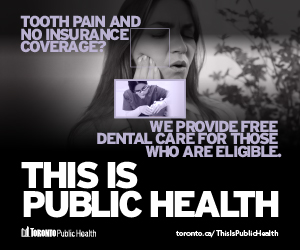
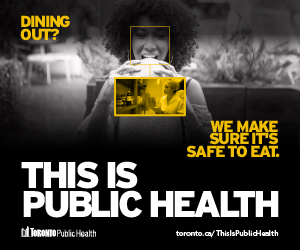
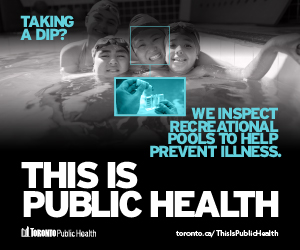
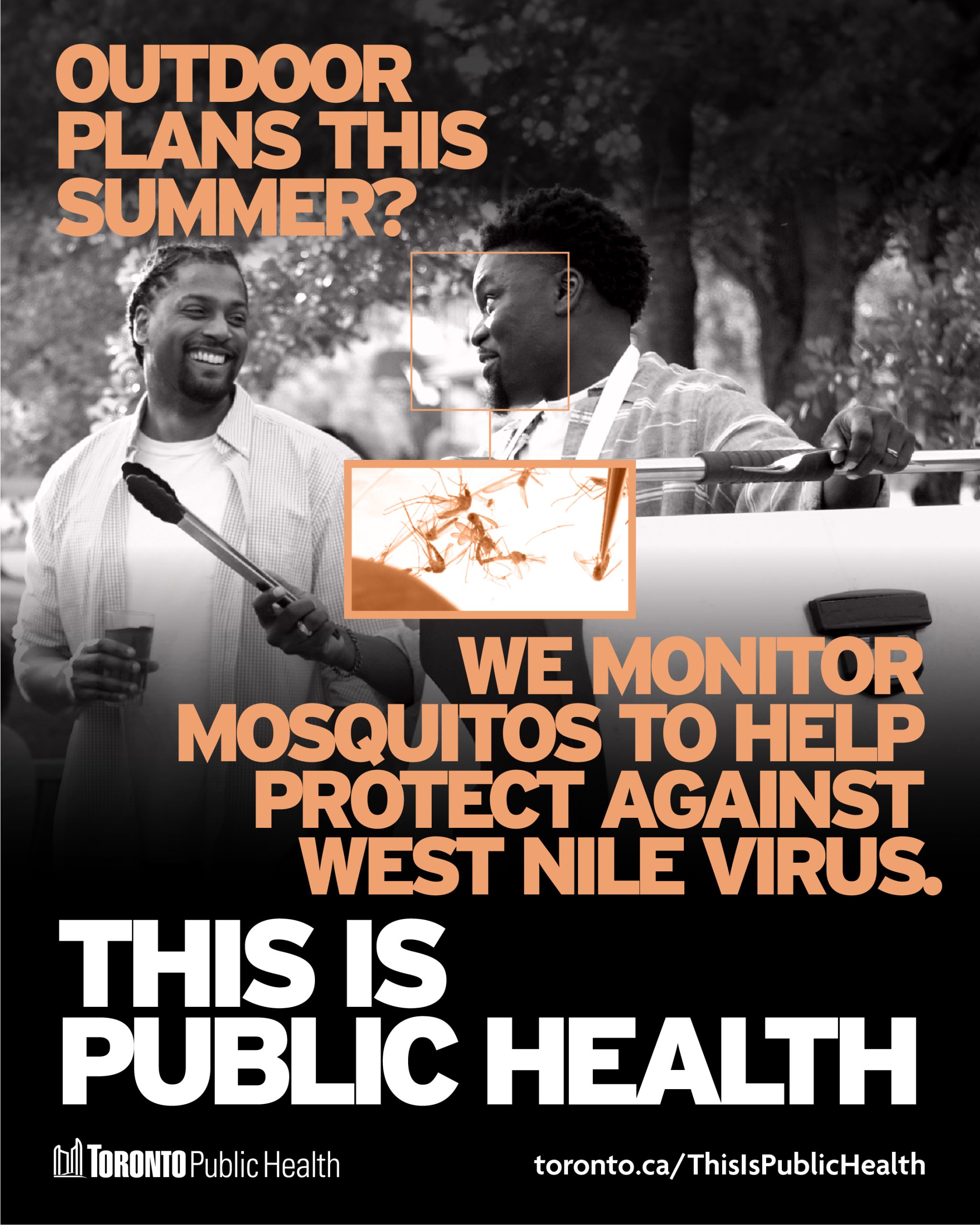
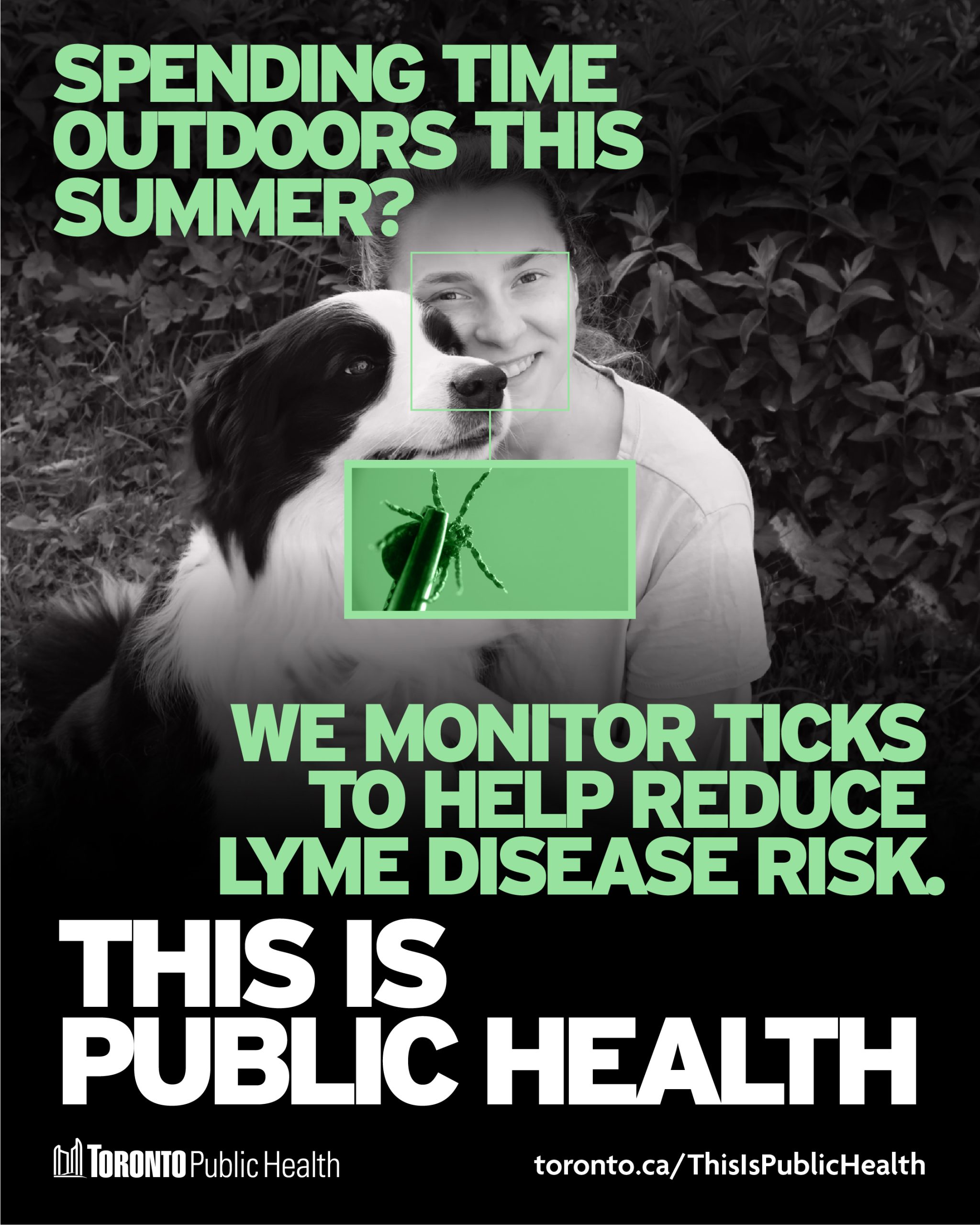
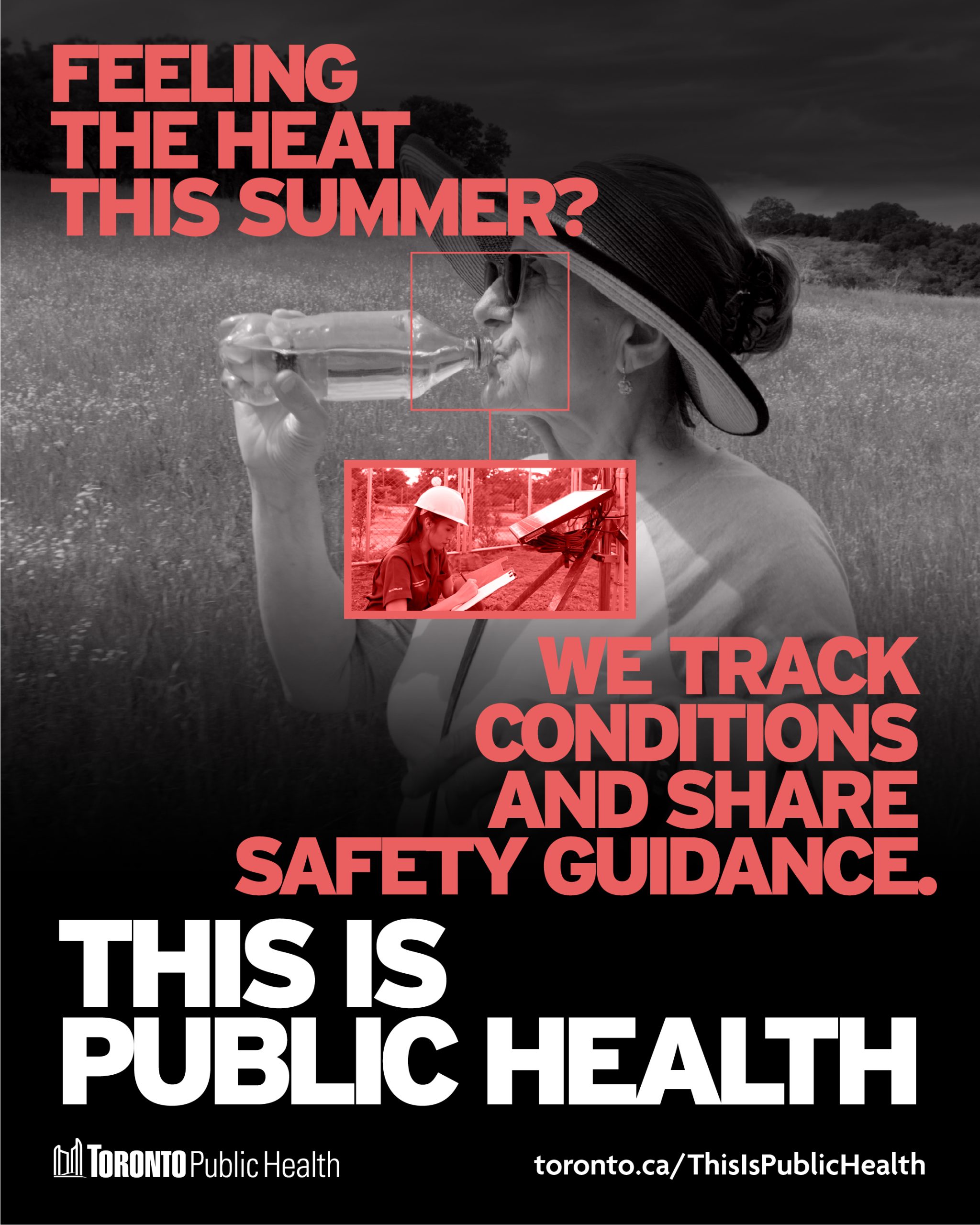
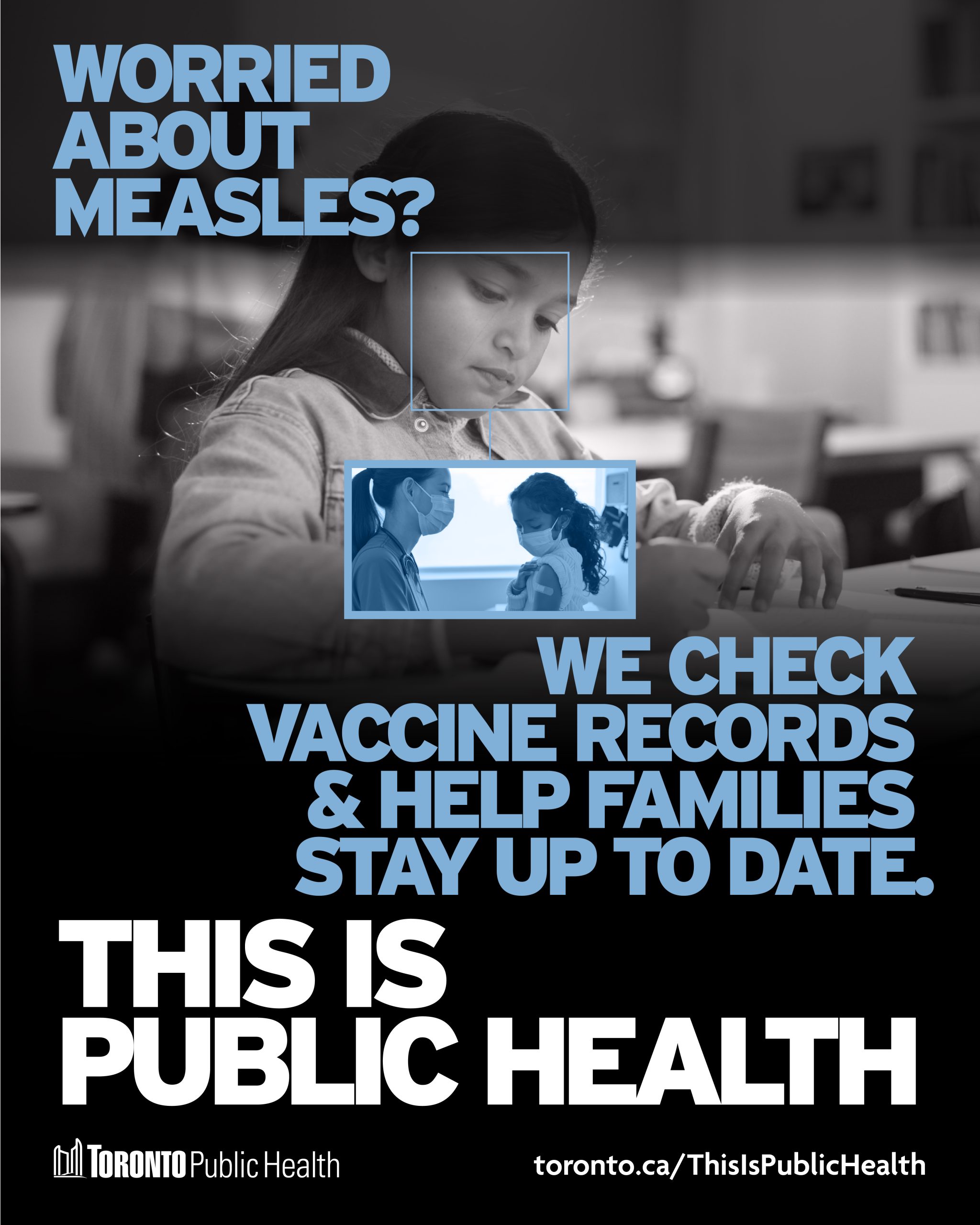
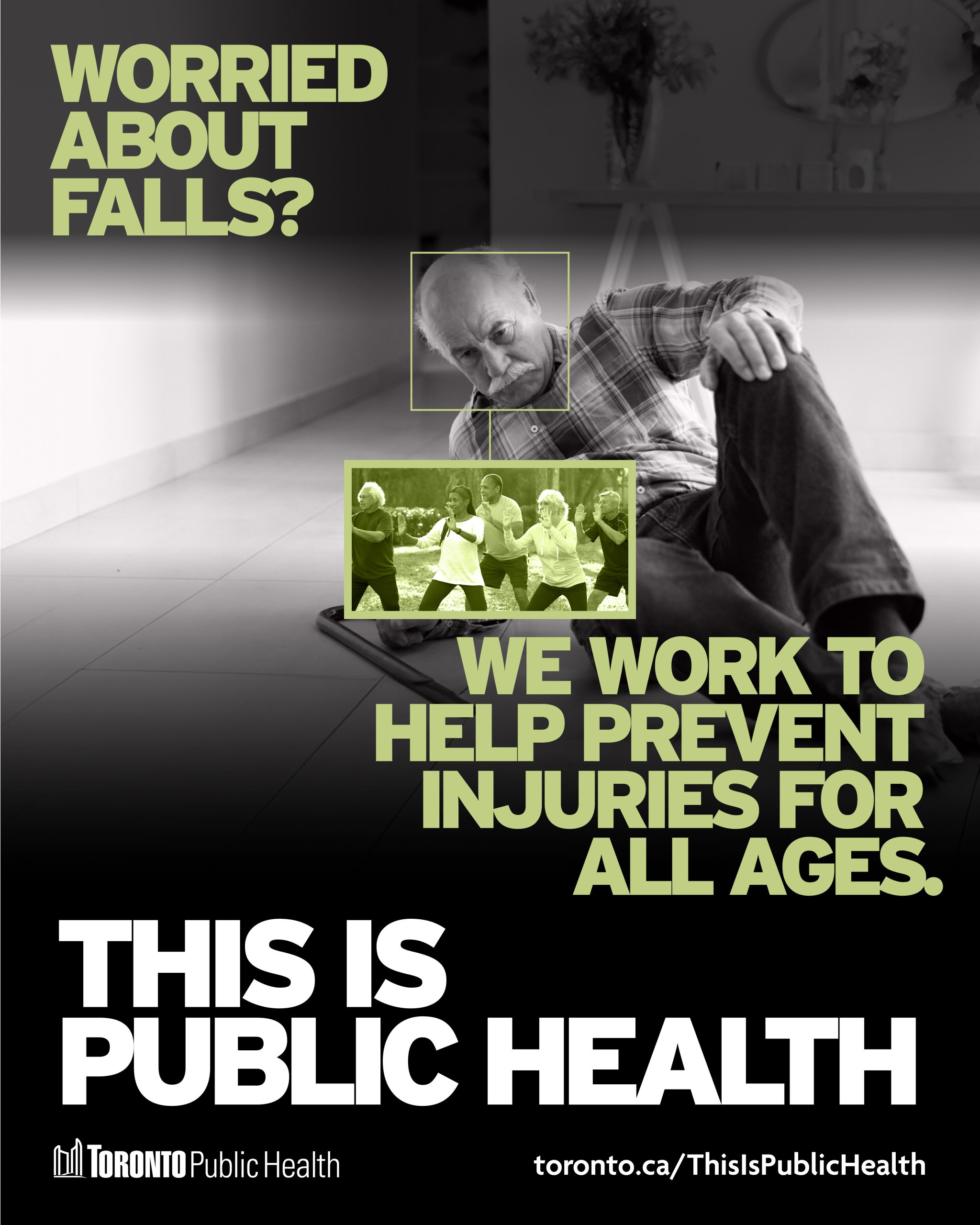
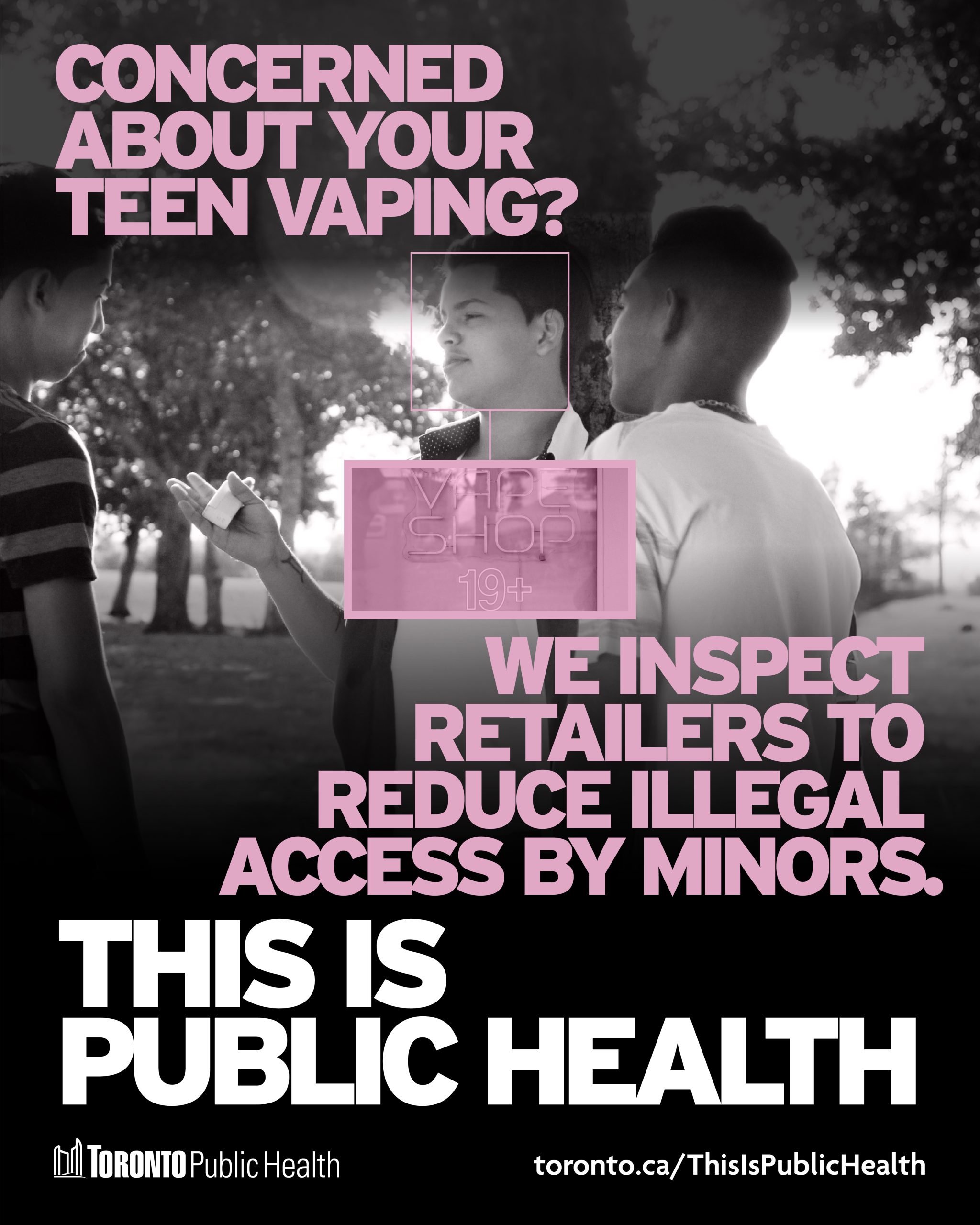
TPH works to keep people healthy and prevent illness before it starts. Our work includes services you can see, but a lot also happens behind-the-scenes.
We promote health, reduce health inequities, prepare for emergencies and protect people from health risks through services like immunizations, sexual health, food safety, school health and by working closely with health care and community partners.
We offer programs and services that help people stay healthy at every stage of life, including:
We inspect and monitor places and services to help keep people safe, including:
We collect and analyze information to understand what is happening in Toronto and what communities need. This helps us spot health issues early, respond quickly to emerging risks and plan services where they are needed most.
Our surveillance activities include:
Planning ahead helps protect people and reduces pressure on hospitals and emergency services.
TPH helps the city get ready for and respond to health emergencies, including:
Health is influenced by where people live, work, play and study. Public health-informed policies help create the conditions for a healthier city.
We also work to reduce health inequity. Not everyone has the same opportunity to be healthy. Local public health measures inequities, and focuses extra support on communities that have been underserved or face systematic or structural barriers. This helps reduce health gaps and supports fair access to services for all Toronto residents, and supports our city and community partners.
TPH works with City partners and community organizations to:
Local public health works closely with hospitals and primary care physicians, pharmacies, schools and childcare centres, shelters and housing partners, community agencies, libraries and recreation centres, and government partners to help make sure health care and supports reach the people who need them most.
Some examples include:
Public health and health care both help people stay healthy, but they do this in different ways.
Health care focuses on treating individual people when they are sick or injured. This includes visits to a doctor or nurse, hospital care, surgeries, and prescriptions. Health care usually helps one person at a time.
Public health focuses on keeping people from getting sick or hurt in the first place. Instead of treating individuals, public health looks at the health of whole communities. Public health works behind the scenes to reduce risks, prevent disease, and create safer, healthier places to live.
The two systems work together to keep people healthy.
In Canada, public health is a shared responsibility. Municipal, provincial or territorial, and federal governments all play important roles and work together.
Local public health units focus on community needs. They work closest to where people live and can respond quickly to local risks. In Toronto, this work is done by TPH, which helps protect residents every day.
These local public health units run programs related to vaccinations, sexual health, infectious disease control, substance use, mental health and healthy child development. They also monitor local health data to understand community needs.
Each local public health unit is led by a Medical Officer of Health and overseen by a local board of health. Funding comes from both the provincial government and local municipalities. The work of the Medical Officer of Health and Board of Health is governed by the Health Protection and Promotion Act.
Provinces and territories are responsible for setting public health laws and policies to help make sure public health services are consistent and effective across communities. In Ontario, that is done by the Ontario Ministry of Health. They guide how public health programs are delivered across their region.
Their role includes:
The Chief Medical Officer of Health (CMOH) is part of the Ontario Ministry of Health and leads public health at the provincial level. The CMOH identifies public health priorities, develops strategies and oversees public health programs delivered by local public health units. The CMOH also advises government on health risks and can direct local public health units to take action during emergencies or outbreaks.
Public Health Ontario (PHO) is a provincial agency that provides scientific and technical support to the public health system. PHO conducts research, monitors health trends and provides expert advice to the Ontario Ministry of Health and local public health units.
PHO also operates laboratories that perform millions of tests each year for public health units, hospitals and physicians. In emergencies or outbreaks, PHO provides guidance, testing and other technical support.
The Public Health Agency of Canada (PHAC) manages national public health. The federal government focuses on risks that affect people across the country or beyond Canada’s borders. Key federal roles include:
Health Canada also plays a key role in public health by setting national environmental health standards, such as air and water quality, regulates drugs, vaccines, food safety and products like tobacco and vaping products, and provides guidance to support healthy eating and healthy living across Canada.
Public health works best when all levels of government collaborate. During emergencies such as disease outbreaks, extreme weather, or poor air quality, municipal, provincial, and federal partners coordinate their efforts to protect people and communities. Together, public health helps create the conditions that allow everyone to live healthier, safer lives—today and in the future.